
Rowan County, North Carolina: overview, history, geography and notable features
Rowan County is a historic county in central North Carolina with Salisbury as its county seat; it blends Piedmont geography, Revolutionary-era origins, rail and textile heritage, and a mix of small cities and rural communities.
Rowan County lies in the central Piedmont of the U.S. state region and is part of the broader area of North Carolina. The county seat is the town commonly known as Salisbury, which is celebrated as the oldest continuously inhabited town in western North Carolina. Rowan County sits to the northeast of Charlotte and combines small-city centers with agricultural countryside.
Image gallery
6 Images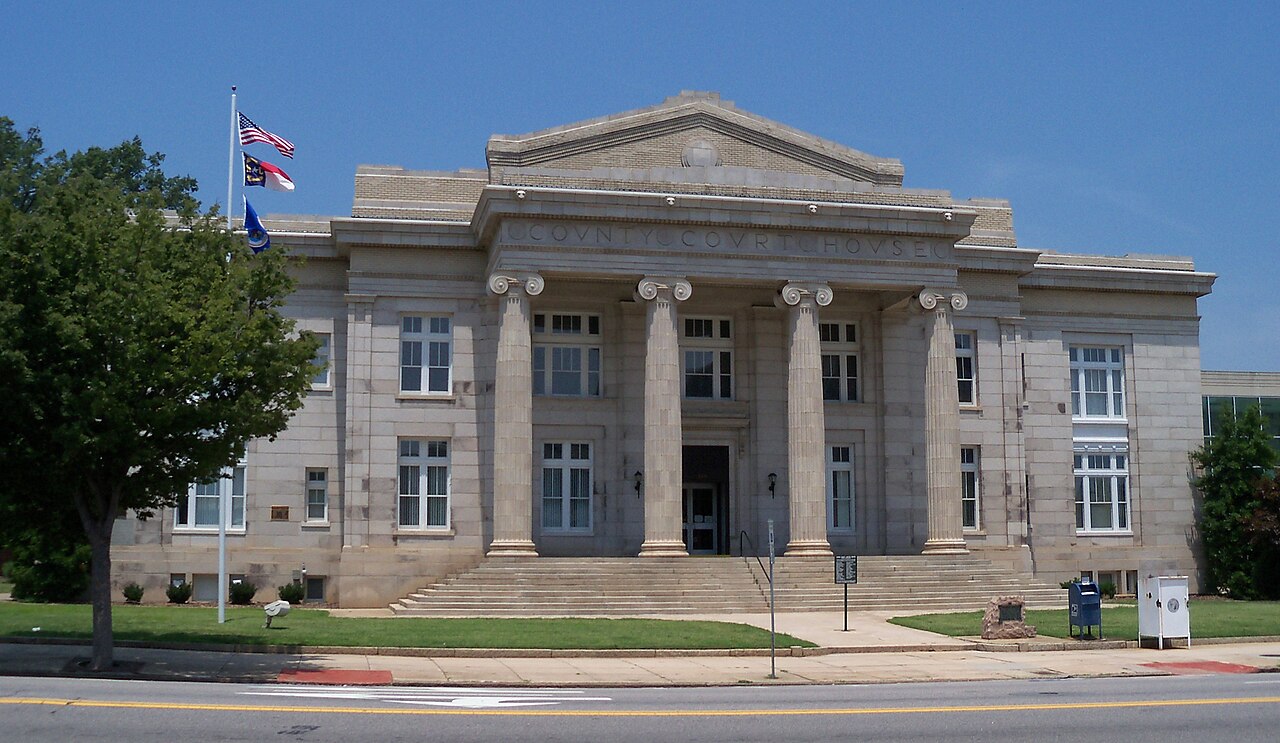


Geography and character
The county occupies rolling Piedmont uplands with mixed hardwood forests, small creeks and farmland. Its transportation corridors and rail lines helped shape settlement patterns: towns grew up along roads and rail rather than around a single metropolis. The result is a county with several distinct communities rather than one dominant city.
History and development
Rowan County has roots in the colonial and Revolutionary periods. European settlement expanded in the mid‑18th century, followed by growth tied to road and rail connections. In the 19th and 20th centuries, textile manufacturing, trade and rail operations became important economic drivers, leaving a legacy of historic downtowns and industrial sites.
Economy, institutions and culture
Today the local economy mixes manufacturing, services, government functions and agriculture. Salisbury, as the county seat, hosts courthouses, cultural institutions and educational establishments. Historic neighborhoods, community festivals and local museums reflect the county’s long continuity of settlement and community life.
Notable features
- County seat: the central administrative and judicial functions are located in the county seat.
- Historic continuity: Salisbury is often described as the oldest continuously populated town in western North Carolina.
- Transportation heritage: rail and road corridors helped shape growth and remain visible in historic districts and museums.
- Location: proximity to the Charlotte metropolitan area gives the county both commuter ties and independent local economy.
Rowan County is therefore notable for its blend of colonial-era history, Piedmont landscapes and a pattern of towns and small cities that preserve historical identity while participating in the modern economy.
Related articles
Author
AlegsaOnline.com Rowan County, North Carolina: overview, history, geography and notable features Leandro Alegsa
URL: https://en.alegsaonline.com/art/84385
Sources
- naco.org : "Find a County"