
Royal forest
Reserved areas of land, especially in medieval England, set aside by the crown for hunting and governed by special forest law; a social, legal and environmental institution with a lasting landscape legacy.
Overview
A royal forest was a territory reserved by a monarch or sovereign for hunting and related uses, subject to a separate body of law and administration. The phrase covers a range of landscapes — from dense woodland to heath and wetland — and refers less to tree cover than to legal status. In England and some other parts of Europe the institution influenced settlement patterns, land rights and local economies for centuries.
Image gallery
6 Images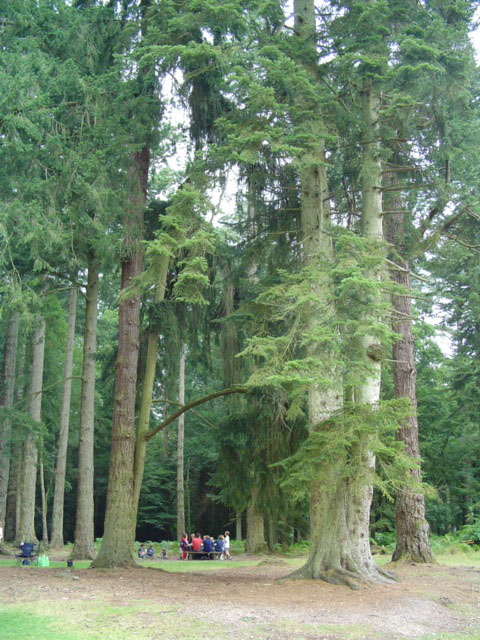


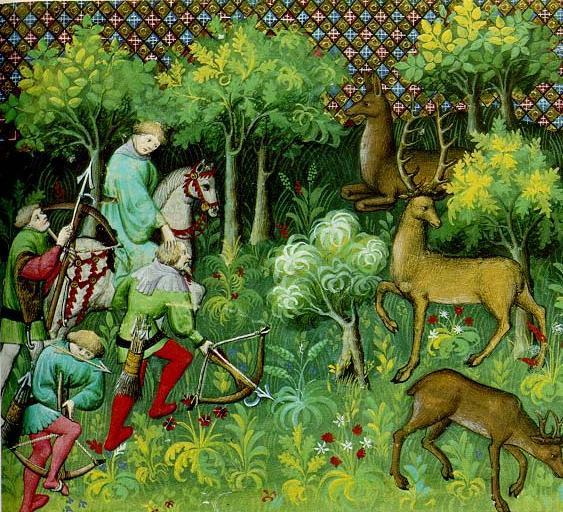
Characteristics and components
Areas designated as royal forest typically contained a mix of habitats that supported game animals: wooded tracts, open heath, grassland and waterlogged ground. The term was used to protect both the animals (commonly called the venison) and the vegetation they depended on (the vert). Forests were managed for stalking and driving deer and boar and often contained enclosed hunting preserves, deer parks and functional features such as hunting lodges, pounds and deer leaps.
History and development
Although rulers in earlier periods were active hunters, the formal practice of declaring land a royal forest became prominent in England after the Norman Conquest of 1066. The Normans extended the practice on a large scale, creating administrative districts where forest law applied. During the 12th and early 13th centuries a substantial portion of southern England was declared forest, and famous examples such as the New Forest entered folklore. Royal forests were not limited to woodland; entire counties and villages could fall within a forest boundary when the monarch exercised the prerogative to afforest land.
Forest law and social effects
Forest law formed a parallel legal regime that regulated hunting, grazing, woodcutting and the taking of game. Certain offences against the forest — particularly unlawful killing of designated game — were treated severely. The constraints placed on common rights and agricultural use could cause friction between local communities and the crown: inhabitants living within a forest sometimes faced restrictions on cutting timber, turning out pigs, or gathering wood. Over time, many customary rights were negotiated, limited or confirmed rather than entirely extinguished.
Uses, importance and decline
Royal forests served ceremonial and recreational functions for monarchs and nobles, provided material resources such as timber and fuel, and had political value as a visible sign of royal authority. From the later medieval period onward pressure from population growth, agricultural expansion and changing governance reduced the extent and strictness of forest law. By the 17th century enforcement had waned substantially, although the place-name element "forest" and surviving tracts of woodland continued to mark the landscape.
Distinctions and notable facts
It is important to separate the ecological idea of a forest — an area of trees — from the legal concept of a royal forest, which might include non-wooded areas. The term "afforestation" in this context historically meant bringing land under forest law, not planting trees. The institution had parallels across medieval Europe where rulers maintained reserved hunting ground. The story of royal forests appears in literature, law and local memory and remains relevant to studies of land use, conservation history and social conflict.
Further links and resources
- Woodland and habitat information
- Monarchs and royal prerogative
- The Norman Conquest and its consequences
- Red deer
- Fallow deer
- Roe deer
- Wild boar
- Aristocratic hunting practices
- Norman institutions in England
- County and local histories
- Henry II and royal administration
- Huntingdonshire and regional examples
- The New Forest
- Medieval Europe: social structures
- Heathland as part of forest landscapes
- Grassland and commons
- Wetland habitats within forests
- Deer species and ecology
- Game, rights and rural economies
Questions and answers
Q: What is a royal forest?
A: A royal forest is an area of land that was once owned by monarchs and used for hunting. It usually includes large areas of heath, grassland and wetland to support deer and other game.
Q: When did the concept of royal forests first appear?
A: The concept of royal forests was introduced by the Normans to England in the 11th century.
Q: Did Anglo-Saxon kings create forests?
A: Historians find no evidence that Anglo-Saxon kings (c.500 to 1066) created forests.
Q: What animals were protected under Royal law?
A: Under Royal law, no hunting was allowed on Royal lands except by authority of the King, and animals such as red and fallow deer, roe, wild boar were protected.
Q: How much land in southern England was designated as Royal Forest during the 12th century?
A: During the late 12th and early 13th centuries, one-third of the land area of southern England was designated as Royal Forest.
Q: Was anyone punished for committing offences within these forests?
A: Yes, anyone who committed any offence within these forests would be subject to harsh punishment according to forest law - even killing game could be a capital offence.
Q: Were common rights extinguished when an area became a forest?
A: No, while local inhabitants were restricted in their use of land they had previously relied on for their livelihoods, common rights were not extinguished but merely restricted.
Related articles
Author
AlegsaOnline.com Royal forest Leandro Alegsa
URL: https://en.alegsaonline.com/art/84457
Sources
- yale.edu : yale.edu
- openlibrary.org : The royal forests of England
- openlibrary.org : The royal forests of medieval England