
San Onofre Nuclear Generating Station
Coastal nuclear power complex in southern California, historically housing three reactors; known for its role in regional electricity supply and its 2012–2013 shutdown and ongoing decommissioning.
Overview
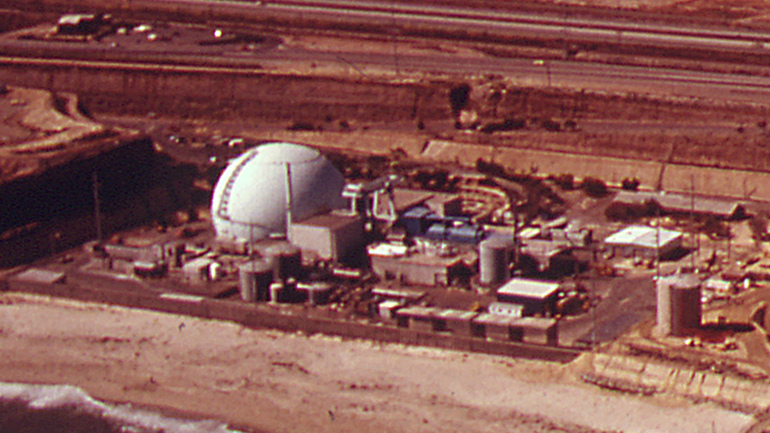
The San Onofre Nuclear Generating Station (often abbreviated SONGS) is a coastal nuclear power site in southern California that historically supplied electricity to the greater Los Angeles and San Diego regions. The plant sits on the Pacific shoreline near Camp Pendleton and San Onofre State Beach. It was operated by Southern California Edison with participation from other local utilities and became notable both for its generation capacity and for disputes over equipment problems that led to its closure.
Image gallery
5 Images



Design and components
SONGS originally comprised three reactor units. Unit 1 began commercial operation in 1968; two larger, nearly identical pressurized-water reactors came into service in the early 1980s with nameplate capacities commonly described as about 1,100 megawatts each. The facility included the reactor buildings, turbine halls, cooling systems that drew water from the ocean, and on-site spent fuel storage. After shutdown, much of the work at the site has focused on decontamination, dismantling of structures, and long-term management of irradiated fuel.
History and shutdown
For several decades SONGS supplied a substantial share of local electricity needs. In 2012 operators took the two large units offline after premature wear and leakage were discovered in newly installed steam generators. That event triggered inspections, regulatory review, litigation, and public controversy. Operators announced a permanent retirement of the remaining reactors in 2013; Unit 1 had ceased commercial operation earlier, in the early 1990s. Since the shutdown the site has been in a multi-year decommissioning and settlement process.
Decommissioning, spent fuel, and oversight
Decommissioning a coastal nuclear site involves defueling the reactors, decontaminating systems, dismantling structures, and managing spent nuclear fuel. At San Onofre spent fuel remains stored on-site in pools and dry cask arrays pending long-term federal disposition. The Nuclear Regulatory Commission and state agencies continue to oversee safety, environmental monitoring, and site security while decommissioning plans are carried out.
Local impact and controversies
The plant's closure affected regional electricity planning, utility costs, and debates over seismic and environmental risks at coastal nuclear facilities. Community groups, environmental organizations, and affected utilities engaged in legal and regulatory actions that resulted in settlements and compensation agreements. The shoreline location also raised questions about coastal access, habitat protection, and recreational uses near the former plant.
Further reading
Related articles
Author
AlegsaOnline.com San Onofre Nuclear Generating Station Leandro Alegsa
URL: https://en.alegsaonline.com/art/86907
Sources
- edison.com : San Onofre Nuclear Generating Station (SONGS) website
- latimesblogs.latimes.com : San Onofre nuclear plant can withstand up to 7.0 quake