
Ronald Dworkin: Philosopher of Law and Rights
Overview of Ronald Dworkin (1931–2013), his career, principal ideas (law as integrity, rights as trumps), major works, influence on legal theory, and legacy.
Ronald Myles Dworkin (December 11, 1931 – February 14, 2013) was a leading figure in Anglo‑American legal philosophy. He combined philosophical argument with close attention to constitutional practice and is widely known for opposing classical legal positivism and for defending a moral reading of law. Dworkin was a Fellow of the British Academy and is commonly described as an innovative philosopher and theorist of rights.
Image gallery
3 Images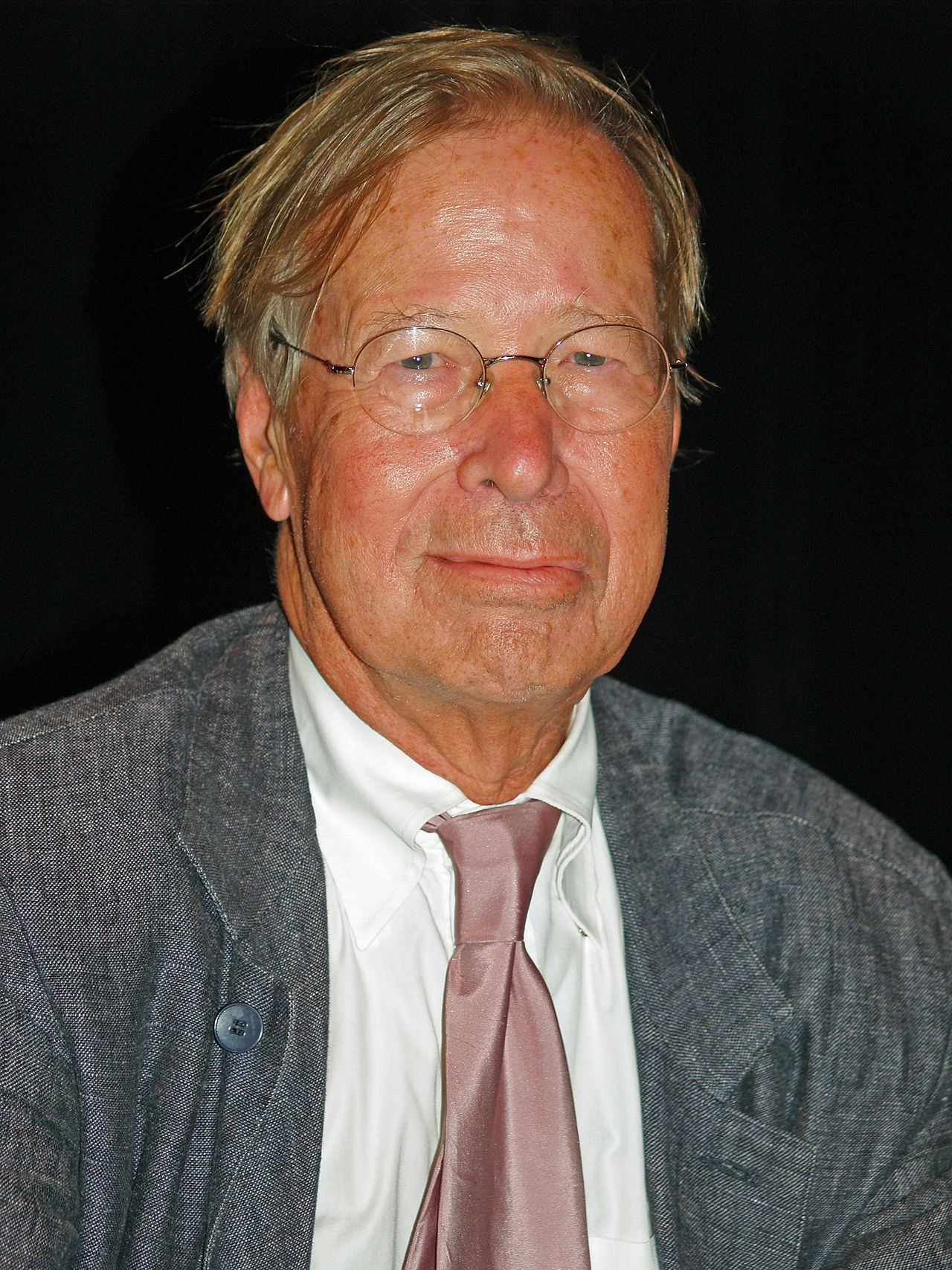


Philosophical outlook and key ideas
Dworkin argued that law should be understood as an interpretive practice: judges decide hard cases by interpreting legal materials in the light of principles of justice, fairness and due process. His concept of "law as integrity" holds that legal reasoning should present the law as the coherent expression of political morality. He also maintained that individual rights are not reducible to collective policy; famously, rights can act as "trumps" against utilitarian calculations that would sacrifice individuals for greater social benefit.
Major works and concepts
Several books and essays set out Dworkin's approach and its implications. Important works include:
- Taking Rights Seriously — an accessible argument for the centrality of rights in legal reasoning.
- Law's Empire — a long development of the law‑as‑interpretation thesis and the idea of constructive interpretation.
- Justice for Hedgehogs — a later attempt to connect value, morality and political principle into a unified account.
Career and biography
Dworkin taught at a number of prominent institutions during his career and held chairs in both law and philosophy. He was Frank Henry Sommer Professor of Law and Philosophy at New York University and Emeritus Professor of Jurisprudence at University College London. Earlier appointments included teaching at Yale Law School and periods at the University of Oxford Oxford. He was born in Providence, Rhode Island, where his early life shaped his interest in law, politics and moral philosophy.
Influence, debates and legacy
Dworkin's work provoked extensive debate. He is credited with renewing interest in the normative foundations of law and with pressing courts to take moral reasoning seriously when interpreting constitutions. His critiques of H.L.A. Hart and positivist accounts of law led to sustained exchanges in jurisprudence. Critics have questioned whether his ideal of coherence is always feasible and whether rights as trumps can be reconciled with democratic decision making. Nevertheless, his writings remain central reading in law schools and philosophy departments.
Dworkin died in London on February 14, 2013 from leukemia. He was 81 and is remembered for combining rigorous philosophical argument with a practical concern for how legal principles shape real lives in England and beyond.
Related articles
Author
AlegsaOnline.com Ronald Dworkin: Philosopher of Law and Rights Leandro Alegsa
URL: https://en.alegsaonline.com/art/83984
Sources
- nytimes.com : "Ronald Dworkin, Legal Scholar, Dies at 81"