
Leukemia: overview, types, causes, diagnosis, and treatment
Leukemia is a group of blood cancers originating in bone marrow and white blood cells. This article explains types, causes, diagnosis, treatments, prognosis, and notable distinctions.
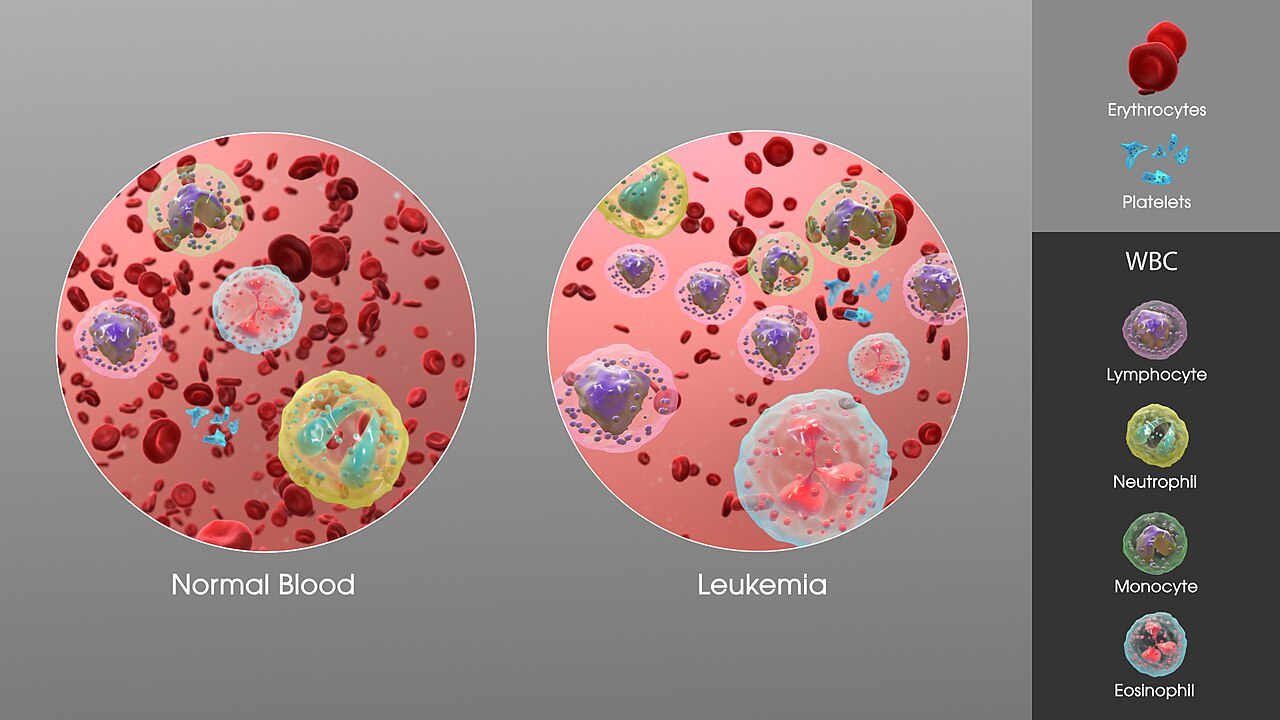
Leukemia is a term for several related cancers that begin in the bone marrow and affect white blood cells (leukocytes). Instead of producing a balanced mix of blood cells, the marrow makes large numbers of abnormal white cells that do not function correctly. These malignant cells can crowd out healthy blood cells, causing anaemia, infection risk and bleeding problems. The course and outlook vary widely depending on the specific form of leukemia and the patient’s age and general health.
Image gallery
6 Images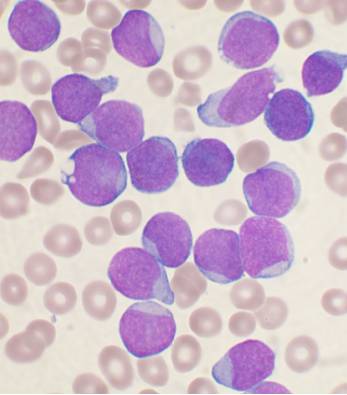



Classification and main characteristics
Doctors classify leukemia by the speed of onset and the type of white cell involved. Two major clinical divisions are:
- Acute leukemias: rapid onset, immature cells (blasts) accumulate quickly and require prompt treatment.
- Chronic leukemias: slower progression, more mature-appearing cells, may be monitored before therapy is needed.
Another axis of classification separates lymphoid (affecting lymphocyte precursors) from myeloid (affecting granulocyte or red/platelet precursors) lineages. Combining these distinctions yields common categories such as acute lymphoblastic leukemia, acute myeloid leukemia, chronic lymphocytic leukemia and chronic myeloid leukemia.
Causes and risk factors
Leukemia arises from genetic changes in blood-forming cells that alter growth control. Known risk factors include prior exposure to high-dose ionizing radiation, certain chemical exposures, some chemotherapy agents, and inherited genetic predispositions. Many cases, however, occur with no identifiable cause. Research continues to clarify how environmental and hereditary elements interact to trigger malignant transformation.
Diagnosis and management
Diagnosis typically begins with blood count abnormalities and is confirmed by bone marrow examination and specialised laboratory tests, including cell morphology, immunophenotyping and genetic or molecular studies. For an overview of diagnostic approaches see diagnostic resources. Treatment options depend on the subtype and patient factors and can include chemotherapy, targeted therapies that act on specific molecular changes, immunotherapies, and hematopoietic stem cell transplantation. Supportive care (transfusions, antibiotics) is critical during many treatment phases.
History, epidemiology and prognosis
Descriptions of leukemia date back more than a century, and advances in microscopy, chemotherapy and molecular biology have transformed outcomes for many patients. Incidence patterns show that most cases occur in adults, though certain subtypes are more common in children. Prognosis ranges from curable with current therapies to chronic control or, in some cases, limited survival without effective treatment. Individual prognosis depends on leukemia type, genetic features of the cancer, and response to therapy.
Notable distinctions and further resources
Leukemia is part of the broader group called hematologic malignancies or blood cancers. It differs from lymphomas mainly by where malignant cells are primarily located (blood and marrow versus lymph nodes) and by clinical behavior. For patient-oriented information and guidance on care pathways see additional resources. Ongoing research continues to improve targeted drugs, immunotherapies and transplant techniques, offering better outcomes for many patients.
Questions and answers
Q: What is leukemia?
A: Leukemia is a cancer of the white blood cells and bone marrow where the body creates too many white blood cells.
Q: What are the blood cancers?
A: Blood cancers are hematological neoplasms, a group of diseases that include leukemia.
Q: What happens if leukemia goes untreated?
A: If left untreated, leukemia may lead to death within weeks, months, or years.
Q: How does the life of a person with leukemia depend on the disease type?
A: The life of the person with leukemia depends on the type of leukemia they have.
Q: What is the worldwide incidence and deaths of leukemia?
A: In 2000, around 256,000 children and adults around the world developed some form of leukemia, and 209,000 died from it.
Q: Who is more likely to develop leukemia, adults or children?
A: About 90% of all leukemias are seen in adults.
Q: Are there different types of leukemia?
A: Yes, there are many kinds of leukemia.
Related articles
Author
AlegsaOnline.com Leukemia: overview, types, causes, diagnosis, and treatment Leandro Alegsa
URL: https://en.alegsaonline.com/art/57532
Sources
- who.int : "WHO Disease and injury country estimates"
- seer.cancer.gov : "SEER Stat Fact Sheets: Leukemia"
- cebp.aacrjournals.org : "Diet and risk of leukemia in the Iowa Women's Health Study"
- pubmed.ncbi.nlm.nih.gov : 12163333