
Salic law: Frankish legal code and its legacy in inheritance and succession
Salic law was an early medieval Frankish legal code originating with the Salian Franks. It influenced property, family and succession rules, most famously the exclusion of women from agnatic inheritance of thrones and land.
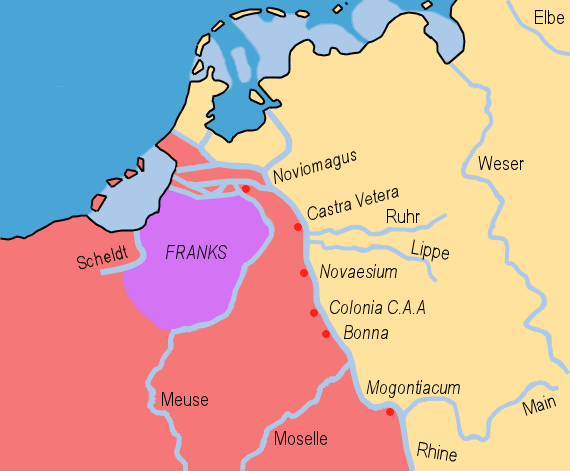
The Salic law was a collection of customary rules used by the Salian Franks, a Germanic people in the early medieval period. Compiled in Latin and shaped during and after the reign of King Clovis, it addressed a wide range of matters: compensations for injuries, criminal penalties, family and property relations, and rules for inheritance. Although originally a regional code for a specific people, its provisions were later cited and adapted across parts of western Europe and by later rulers.
Image gallery
6 Images


Core features and provisions
As with many early Germanic lawbooks, the Salic law combined customary practices with written formulations. Its notable features included monetary fines as sanctions for many offenses (in lieu of corporal punishment), defined shares for heirs in land and movable property, and rules distinguishing different classes of kin. One provision that gained disproportionate attention in later centuries concerned agnatic inheritance: the principle that certain lands and titles should pass through the male line rather than through female descendants.
History and transmission
The code emerged in the sixth century among the Salian Franks and was preserved in manuscript form. Elements of the Salic law were incorporated by later Frankish rulers and jurists; for example, aspects of it were drawn upon during the reign of Charlemagne and in the legal culture of his successors. Over time the law was copied, interpreted and adapted, so its influence extended beyond its original ethnic scope and was referenced by medieval legal thinkers across Europe. Scholars study surviving manuscripts to trace development and regional variants.
Uses and historical importance
Beyond everyday dispute resolution, the Salic law acquired special importance in dynastic politics. Medieval and early modern claimants and courts sometimes invoked its rules to settle questions of royal succession and inheritance. In several high-profile disputes, rulers or jurists cited the exclusion of female succession as justification for agnatic succession to thrones or fiefs. These political uses often involved legal interpretation and selective reading of the ancient text rather than a direct, unchanged application of the original code.
Notable distinctions and legacy
- Original scope: a customary code for the Salian Franks addressing criminal, civil and family matters.
- Legal principle: emphasis on compensatory fines and structured shares for heirs.
- Dynastic use: later generations used parts of the code to argue for male-line succession in monarchies.
The study of Salic law illustrates how early medieval legal texts could be repurposed: a set of local customs became a touchstone in broader European debates about property and sovereignty. For general context on its regional influence see sources on western European legal history, while more specific discussions of its adaptation under Carolingian rulers appear in works associated with Charlemagne. For treatment focused on inheritance and succession norms see studies of medieval inheritance law.
Related articles
Author
AlegsaOnline.com Salic law: Frankish legal code and its legacy in inheritance and succession Leandro Alegsa
URL: https://en.alegsaonline.com/art/86452