
British Academy: United Kingdom’s National Academy for Humanities and Social Sciences
The British Academy is the UK’s independent national academy for the humanities and social sciences, supporting research, electing fellows, awarding grants, and advising on public policy since 1902.
Overview
The British Academy is the United Kingdom's national academy dedicated to the humanities and the social sciences. It is a self-governing, independent registered charity that supports research, scholarship and public engagement across disciplines such as history, languages, law, literature, archaeology, economics and sociology. The Academy exists to promote excellence in these fields and to increase their contribution to public life.
Image gallery
5 Images


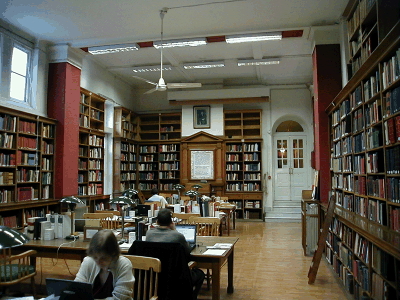

Organisation and membership
The Academy is governed by its elected council and is composed of an elected Fellowship of leading scholars and researchers. Fellows are recognised for distinguished achievement and use the post-nominal letters FBA. The membership brings together career academics, public intellectuals and practitioners who contribute to the Academy's panels, committees and review processes.
Main activities
The British Academy pursues several core activities:
- Funding and grants: awards for individual research, early-career fellowships, and larger research projects;
- Publications and events: monographs, reports, lectures and conferences to disseminate research;
- Policy engagement: evidence, briefings and expert advice to government and public bodies on issues in the humanities and social sciences;
- International collaboration: partnerships and exchange programmes that connect UK scholars with overseas institutions.
History and status
The institution was established in the early 20th century and formally received its royal charter in 1902, marking its official recognition as a national academy. It operates as an independent charity, balancing public mission with academic autonomy. Over time the Academy has expanded from elective fellowship and learned discussion to active grant-giving and policy-facing roles.
Headquarters and funding
The Academy is based at the premises of 10–11 Carlton House Terrace in central London, a venue for lectures, meetings and public programmes. It has received financial support through annual grants from government sources and also relies on charitable income, donations and project-specific funding to deliver research and outreach activities. The Academy maintains transparent governance and reporting consistent with its charitable status.
Distinctive role and significance
As the UK’s national body for the humanities and social sciences, the British Academy is distinct from learned societies in the natural sciences and from university departments: it brings together scholars across disciplines, provides strategic research funding, and acts as a bridge between academia and public policy. For further information on its remit and disciplinary scope see the Academy's description of the humanities and the social sciences and the terms of its royal charter.
The Academy's fellowship, grant programmes and public engagement continue to shape research agendas and inform debates on cultural, economic and social issues in the UK and internationally.
Author
AlegsaOnline.com British Academy: United Kingdom’s National Academy for Humanities and Social Sciences Leandro Alegsa
URL: https://en.alegsaonline.com/art/135690