
Providence, Rhode Island: History, Geography, Economy, and Civic Life
Concise encyclopedia entry on Providence, Rhode Island: founding, geography, economy, institutions, culture, government, neighborhoods, and transportation.
Overview
Providence is the capital and largest city of the U.S. state of Rhode Island. It stands at the head of Narragansett Bay, where the Providence River empties, and serves as a regional center for government, education, health care and the arts. Founded in the 17th century, the city has a layered urban fabric that reflects its colonial origins, 19th-century industrial growth and 20th–21st century redevelopment.
Image gallery
10 Images






Geography and urban character
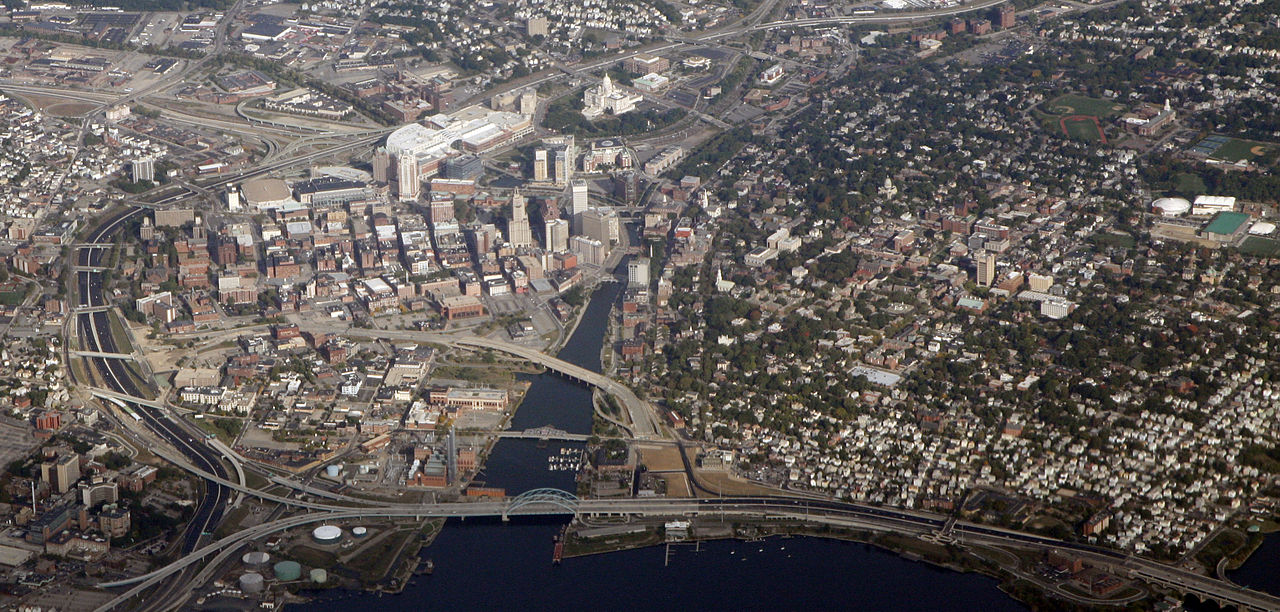
Providence lies in Providence County and is positioned within the larger New England region, where it ranks among the region's principal cities. Its metropolitan area extends into adjacent parts of southern Massachusetts, producing a combined population larger than the state on its own. The city's compact footprint and irregular street plan stem from early settlement patterns and river crossings rather than later orthogonal planning. Downtown, riverfront and waterfront redevelopment projects have linked historic neighborhoods to public open space and cultural venues.
Founding and historical development
Providence was founded in 1636 by Roger Williams, a religious dissenter from the Massachusetts Bay Colony, who established a settlement based on principles of religious liberty and separation of church and state. Williams named the place in recognition of what he called "God's merciful providence." During the colonial and early national periods the port and merchant trade shaped the town; in the 19th century industrialization brought textile mills, machine shops and specialized manufacturers. Providence later became noted for jewelry, silverware and precision manufacturing, industries that contributed to the city's architecture, philanthropic institutions and civic wealth.
Economy, education and institutions
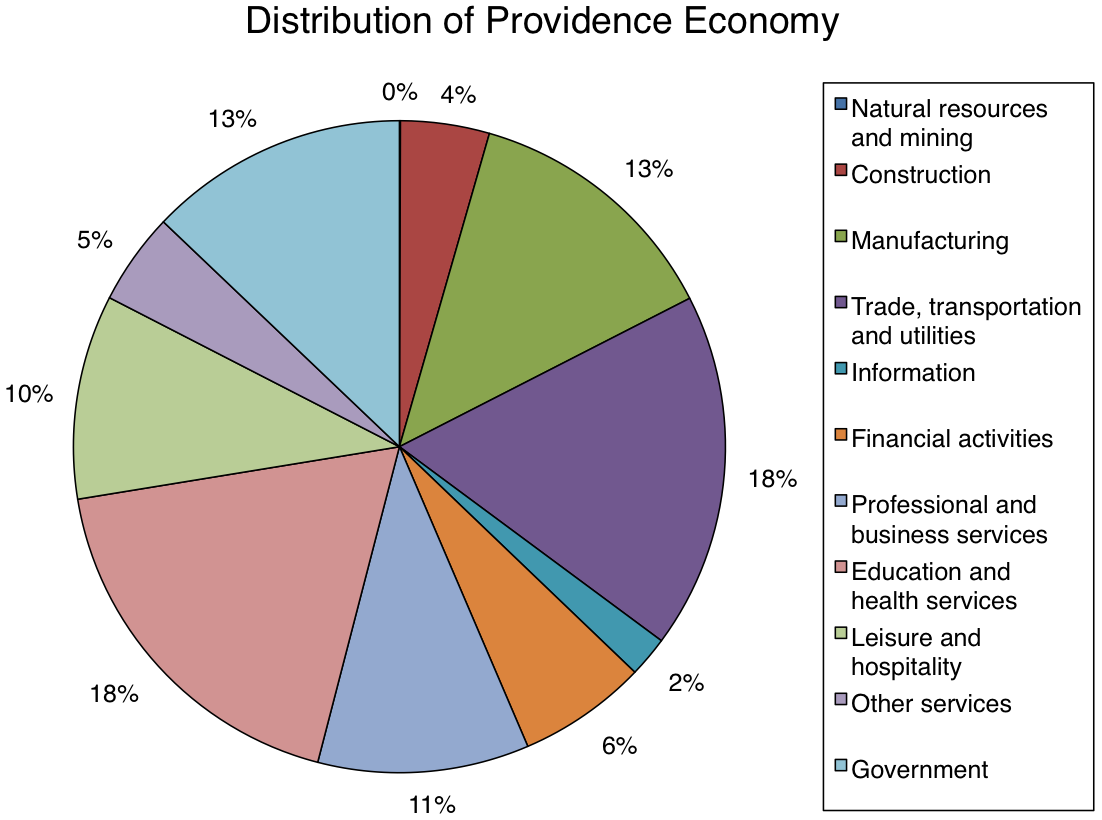
Today Providence's economy is diversified. Medical centers and hospitals, higher-education institutions and research facilities are major employers and anchors of local economic activity. The city is home to multiple colleges and specialized schools that attract students nationally and internationally, helping to sustain a year-round cultural calendar. Manufacturing remains part of the local economy but has been joined by professional services, design, technology and creative industries.
- Higher education — colleges and design schools contribute to research, cultural programming and the local workforce.
- Health care — teaching hospitals and medical centers serve the region.
- Creative economy — architecture, visual arts, performance and design are visible in festivals and public commissions.
Culture, festivals and public life
Providence hosts a variety of arts organizations, theaters and festivals that reflect its university presence and regional role. The city is known for community events, culinary offerings and public art installations that animate parklands and the waterfront. Historic churches, civic monuments and preserved mill complexes provide tangible links to older periods of the city's development, while adaptive reuse has transformed industrial buildings into mixed-use spaces.
Government and civic role
As the state capital, Providence contains the Rhode Island State House and offices for statewide government. Historically the state legislature met in multiple county courthouses, but legislative and executive functions consolidated over time, establishing Providence as the primary seat of government. City government manages municipal services, urban planning and local cultural initiatives.
Neighborhoods, transportation and infrastructure
Neighborhoods range from dense, historic districts with rowhouses and mill-era buildings to postwar residential areas. The city's location at the head of the bay made it a transportation hub: rail lines, highways and regional bus services link Providence to other New England cities. Local public transit, commuter rail connections and an interstate network support daily commuting and tourism.
Demographics and metropolitan context
Providence has long been home to immigrant and working-class communities whose cultural and social institutions shape neighborhood life. Census counts and demographic studies document change over time; historically significant population figures include decennial counts used for planning and services. The metropolitan area extends beyond state lines and is an example of cross-border economic integration in New England.
Further reading and resources
Readers seeking municipal documents, local history, cultural calendars and tourism information can consult city, state and academic sources. For context on the city's role as capital, see entries on capital and regional references to county and neighboring Massachusetts. Biographical and historical works about Roger Williams and the Massachusetts Bay Colony provide background on the colony-to-state transformations that shaped Providence. For maritime and environmental context, materials on Narragansett Bay are informative.
Questions and answers
Q: What is the population of Providence?
A: According to the 2010 census, the city proper population was 178,042. The area is also estimated to have a metropolitan population of 1,600,856.
Q: Who founded Providence?
A: Providence was founded in 1636 by Roger Williams, a religious exile from the Massachusetts Bay Colony.
Q: What is the official name of Rhode Island?
A: The official name of the state includes the name of the city, Rhode Island and Providence Plantations.
Q: What type of industry did Providence become known for?
A: After being one of the first cities in the country to industrialize, Providence became noted for its jewelry and silverware industry.
Q: Where is Providence located?
A: It is located in Providence County and at the mouth of the Providence River, at the head of Narragansett Bay.
Q: How many hospitals are there in City of Providence?
A: There are eight hospitals located in City of Providence.
Q: Where did Rhode Island General Assembly rotate meetings between before 1853?
A: Before 1853 ,the Rhode Island General Assembly rotated meetings between five county court houses including Kent , Washington and Bristol county courthouses
Related articles
Author
AlegsaOnline.com Providence, Rhode Island: History, Geography, Economy, and Civic Life Leandro Alegsa
URL: https://en.alegsaonline.com/art/79569
Sources
- city-data.com : "Providence: Introduction"
- quickfacts.census.gov : "Providence (city) Quick Facts from the U.S. Census Bureau"
- factfinder2.census.gov : "Population and Housing Occupancy Status: 2010 - United States -- Metropolitan Statistical Area; and for Puerto Rico more information 2010 Census National Summary File of Redistricting Data"
- stats.bls.gov : "May 2006 OEC Metropolitan Statistical Area definitions"
- census.gov : "Population Estimates for Places over 100,000: 2000 to 2009"
- weather.gov : "New England Hurricane 1938"
- newengland.com : "Hurricane of 1938"
- riclimatechange.org : "Hurricanes"
- rihurricanesandclimatechange.weebly.com : "Rhode Island Hurricanes"
- dot.ri.gov : "Relocating I-195 in Providence"
- providence.edu : "195 Relocation Background"