
Rum‑running and Bootlegging: Smuggling Alcohol by Sea and Land
Illegal transport of alcoholic beverages to evade taxes or prohibition laws, historically tied to Prohibition-era sea smuggling and to land-based bootlegging traditions.
Overview
Rum-running and bootlegging refer to the clandestine transport and sale of alcoholic beverages to bypass laws or taxes. The terms overlap but are often distinguished by mode: "rum-running" commonly denotes smuggling by water, while "bootlegging" can mean land-based concealment or broader illegal distribution. Both arose where demand outstripped legal supply, and both have shaped law enforcement, commerce, and popular culture.
Image gallery
9 Images


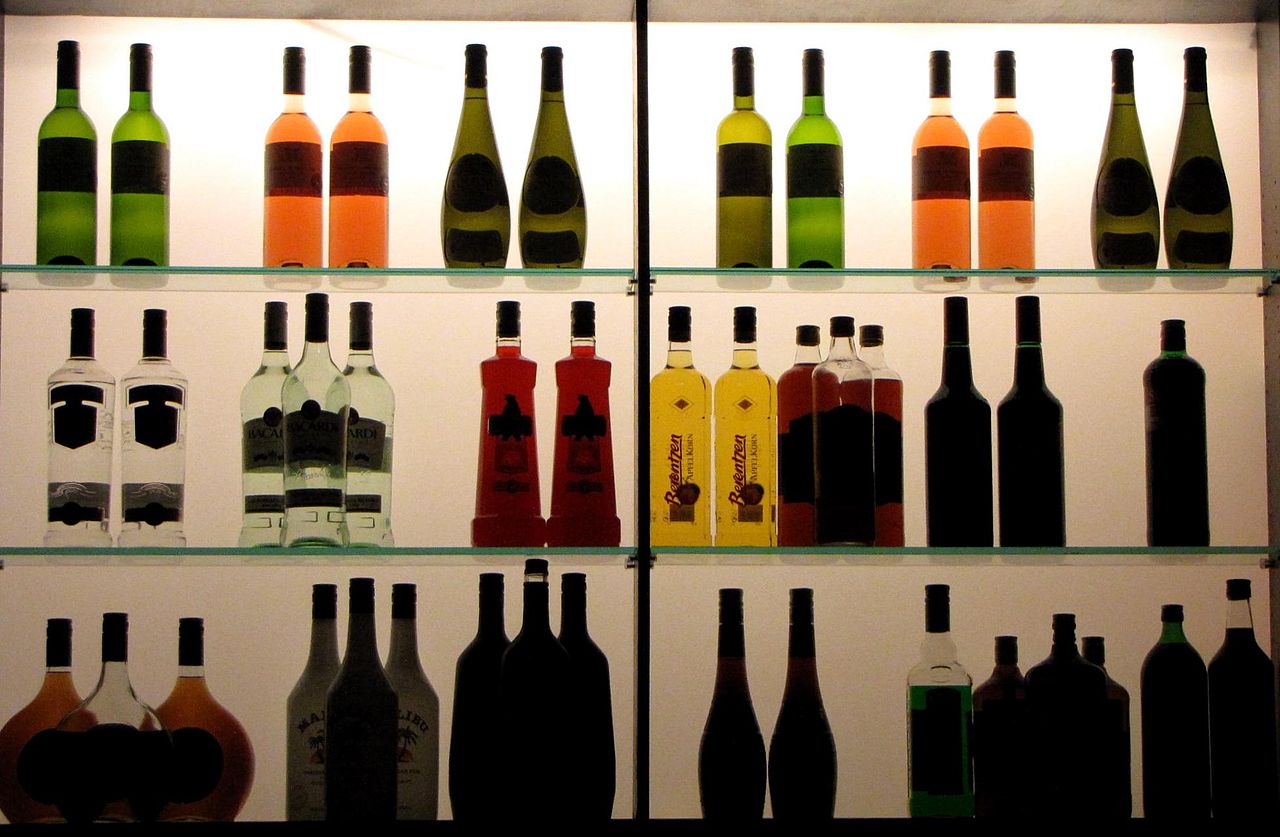
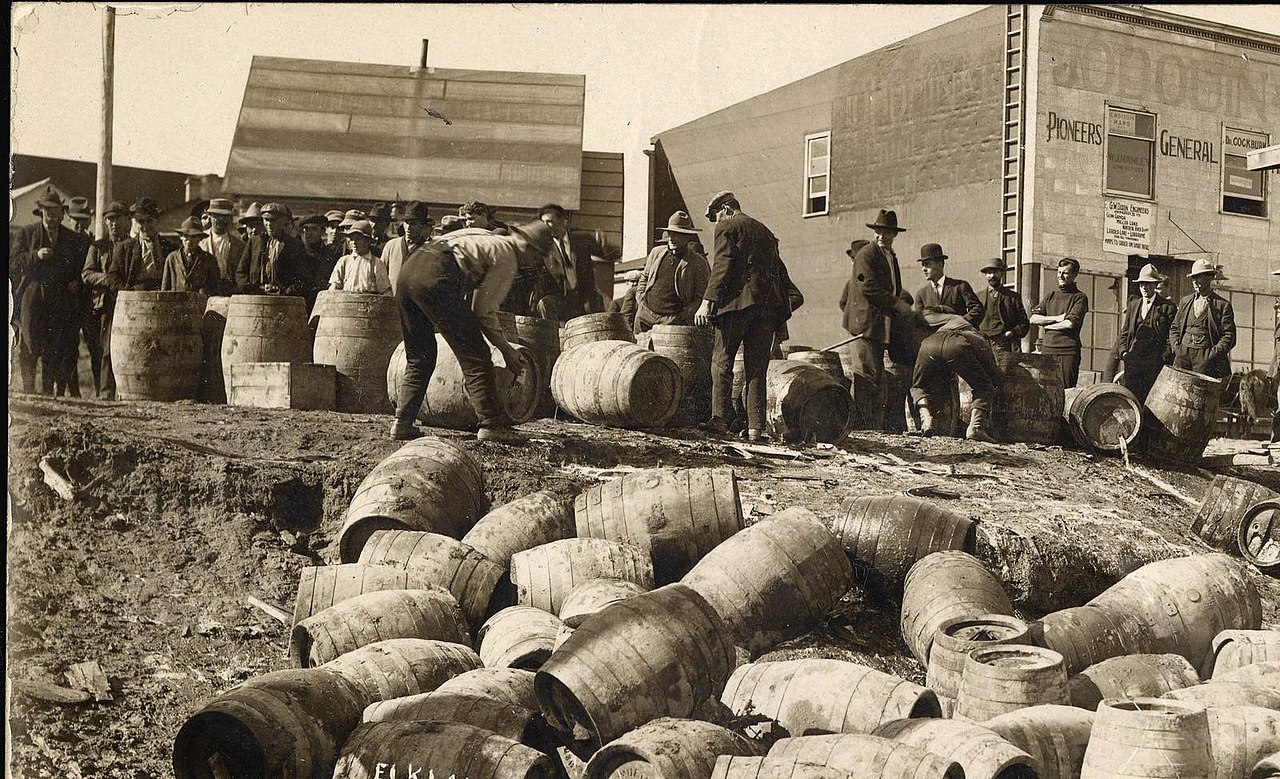
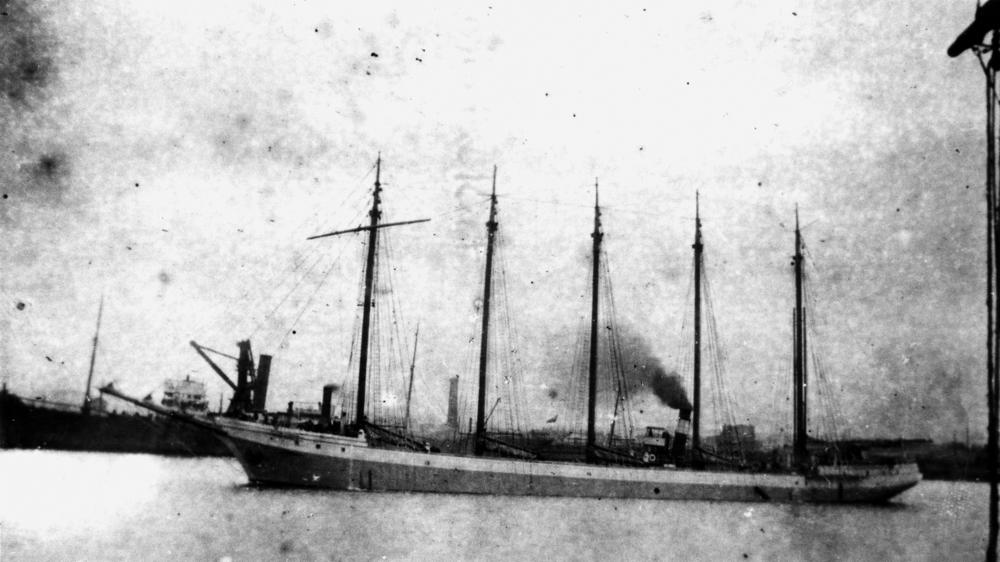


How it was done
Smugglers adapted techniques to geography and enforcement. At sea, small, fast craft ran between offshore "mother" ships and shorelines, using darkness, coves, or false manifests to evade patrols. Overland, drivers and couriers concealed bottles in vehicles, hidden compartments, or under clothing. Networks commonly combined transportation, storage, and distribution, with middlemen selling to speakeasies, private clubs, or informal street markets.
Origins and historical development
The phrase "bootlegging" predates the 20th century and is often traced to soldiers hiding flasks in their boots during the American Civil War. "Rum-running" became prominent during the U.S. Prohibition era (1920–1933), when maritime trade from nearby jurisdictions supplied coastal cities. Caribbean and European imports initially supplemented inexpensive local spirits, while later operations sought higher-margin products. Organized groups and opportunistic entrepreneurs both took part, and smuggling routes adapted as laws and enforcement changed.
Enforcement and technological change
Authorities responded with laws, patrols, and interdiction units. Maritime enforcement spurred innovations in both policing and smuggling: faster, more maneuverable patrol boats on one side and quicker, more seaworthy rum‑running vessels on the other. Inland, improved vehicle inspection and legal penalties aimed to reduce contraband distribution. In many cases enforcement tactics and smuggling methods evolved in direct reaction to one another.
Impact and legacy
Rum-running and bootlegging influenced public attitudes toward regulation, contributed to the growth of organized crime in some regions, and left cultural traces in literature, film, and music. The terms also persist in metaphor: "bootlegging" now commonly denotes unauthorized copying or distribution of goods, including software and media, though that usage is distinct from alcohol smuggling. Contemporary alcohol control issues—cross-border trade, illicit production, and tax evasion—echo historical patterns.
Further reading and resources
- Overview of alcohol smuggling history
- Taxation and illicit trade
- Maritime smuggling techniques
- Prohibition era background
- Caribbean connections and routes
- Types of spirits used in smuggling
- Smuggling into Florida and Gulf ports
- Economic motives and profit margins
- Cross-border trade with Canada
- Whisky and international demand
- European exports and champagne trade
- Champagne and luxury goods smuggling
- Gin and British exports
- Distilled spirits and global markets
- Ports and cities affected: New York
- Boston and regional distribution centers
- Vessel types and concealment methods
- Bootlegging etymology: Civil War accounts
- Historical artifacts and primary documents
Questions and answers
Q: What does rum-running usually involve?
A: Rum-running usually involves smuggling alcoholic beverages where they are against the law, typically to evade taxation or prohibition laws. It is usually done over water.
Q: Where did the term "rum-running" come from?
A: The term "rum-running" is thought to have originated during the start of Prohibition in the United States when ships from Bimini in the western Bahamas transported cheap rum to Florida to be sold illegally.
Q: What type of alcohol was smuggled during rum-running?
A: During rum-running, Canadian whisky, French champagne and English gin were often smuggled to major cities like New York City and Boston due to their high profit margins.
Q: How much alcohol could a single ship transport?
A: It is said that some ships carried up to $200,000 worth of alcohol in a single trip.
Q: What does bootlegging usually involve?
A: Bootlegging typically involves smuggling over land rather than water and is thought to have started during the American Civil War when soldiers would sneak liquor into army camps by hiding bottles of liquor in their boots or under their trouser legs.
Q: How did bootlegging get its name?
A: The term "bootlegging" is thought to have originated from soldiers sneaking liquor into army camps by hiding bottles of liquor in their boots or under their trouser legs during the American Civil War.
Related articles
Author
AlegsaOnline.com Rum‑running and Bootlegging: Smuggling Alcohol by Sea and Land Leandro Alegsa
URL: https://en.alegsaonline.com/art/84695