
Robinson Crusoe Island: geography, history, and human presence
Island in the Juan Fernández archipelago off Chile, known for its link to Alexander Selkirk and Daniel Defoe’s novel; remote ecology, small population, and growing conservation and tourism interest.
Overview
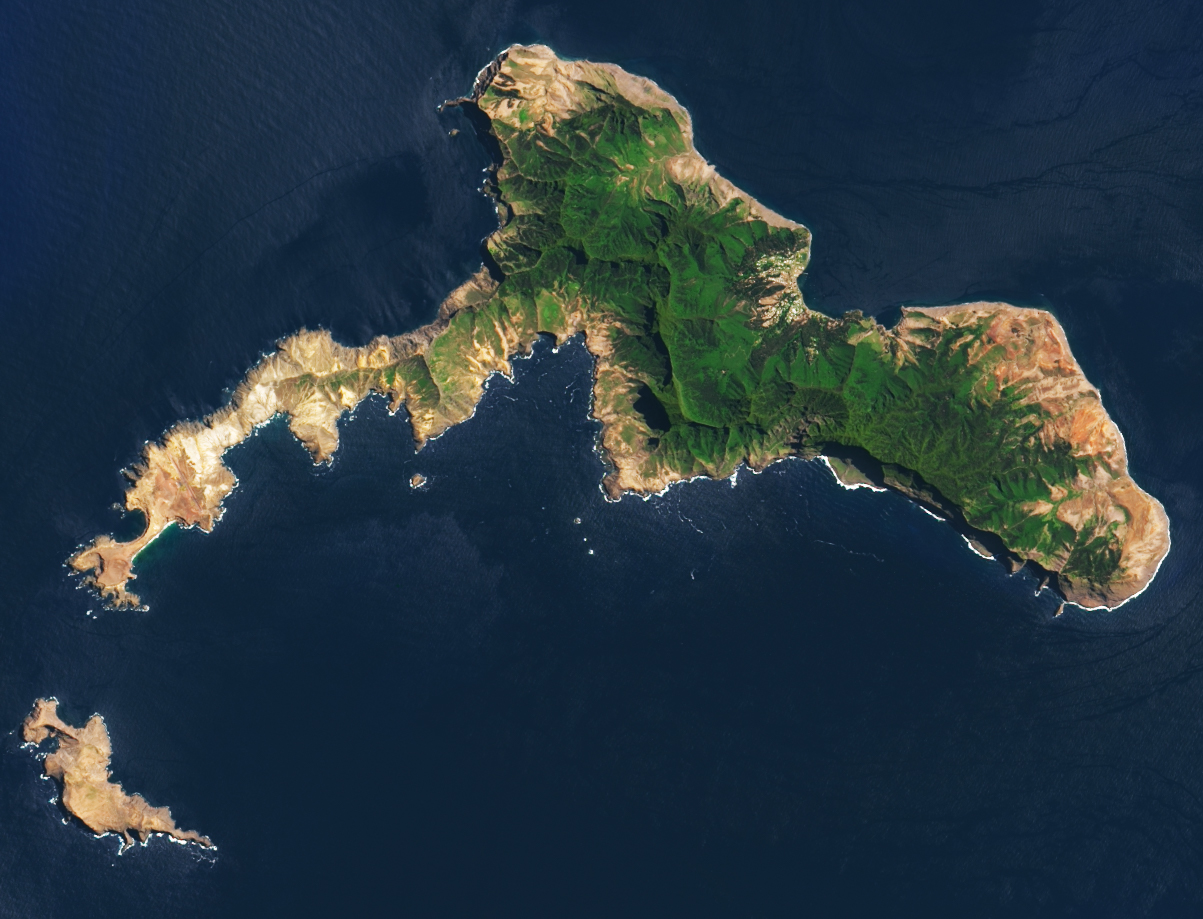
Robinson Crusoe Island is the largest island of a small group of islands in the Pacific Ocean, part of the Juan Fernández archipelago belonging to Chile. Historically called Isla Más a Tierra and sometimes Aguas Buenas, the island lies several hundred kilometres off the continental shore—roughly 672 km from the nearest coast of South America—and supports a human community of fewer than a thousand residents. It is the principal island among the three islands that make up the archipelago.
Image gallery
8 Images


Geography and ecology
The island is rugged and volcanic, with steep slopes rising from rocky shorelines to higher interior ridges. Its climate is temperate maritime, with frequent mist and a relatively narrow seasonal range in temperature. These conditions, together with long isolation, have produced plant and animal communities with a high proportion of endemic or locally distinct species. The island and nearby islets are of particular interest to conservationists because of this biological distinctiveness and the ecological threats posed by introduced species and human activity.
History and cultural associations
The archipelago itself bears the name of a 16th‑century navigator, but the island became widely known through an episode in the early 18th century when Alexander Selkirk, a Scottish mariner, spent several years living alone on one of the islands after being left ashore following a dispute. Selkirk’s experience later circulated in accounts that reached authors in Europe and is commonly cited as a likely influence on the novelist Daniel Defoe, whose book Robinson Crusoe popularized themes of castaway survival and island solitude. In 1966 the Chilean government adopted the name Robinson Crusoe Island for the largest island, reflecting that literary association.
People, economy and settlements
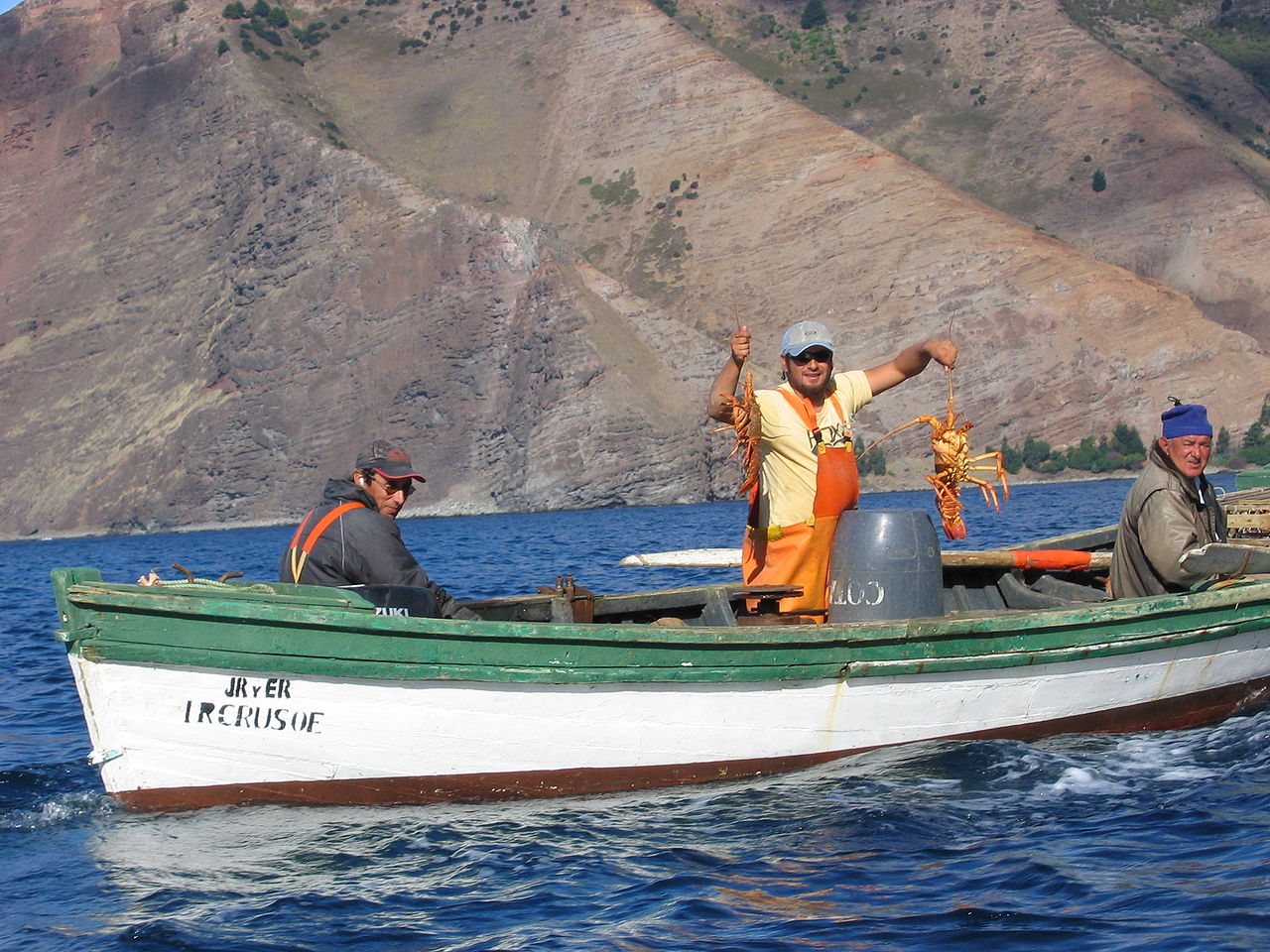
Permanent settlements on the island are small and concentrated near sheltered bays. Local livelihoods traditionally revolve around fishing, small‑scale agriculture, and the provision of services to visitors and researchers. Limited infrastructure and distance from the mainland shape daily life: supplies and fuel are typically brought from Chile, and the community depends on a mix of subsistence practices and external support.
Visiting, research and conservation
Visitors are drawn by the island’s natural setting, opportunities for boating and diving, and its literary fame. Access is possible by scheduled or chartered transport from the Chilean mainland. Scientists study the islands for their endemic species and island ecology, and several conservation initiatives aim to control invasive species and protect native habitats. The island’s dual identity—real historical episodes and a strong literary connection—makes it noteworthy both to specialists and to general audiences interested in natural history and cultural heritage.
Distinctive facts
- The island is the most populous and accessible of the Juan Fernández group, yet remains remote from continental centers of population.
- Its modern name commemorates a link between a real marooning incident and a work of fiction that has shaped popular perceptions of island survival.
- Conservation and sustainable tourism are ongoing concerns as the local community balances economic needs with protection of unique ecosystems.
For further reading on the archipelago and its islands, see resources on the Juan Fernández archipelago and associated conservation programmes.
Related articles
Author
AlegsaOnline.com Robinson Crusoe Island: geography, history, and human presence Leandro Alegsa
URL: https://en.alegsaonline.com/art/83449