
Daniel Defoe: English novelist, journalist and trader
Daniel Defoe (1660–1731) was an English merchant, pamphleteer and prolific writer. Best known for Robinson Crusoe, he helped shape the modern novel and wrote journalism, political tracts and social sketches.
Overview
Daniel Defoe (13 September 1660 – 24 April 1731) was an Englishman whose career blended commerce, politics and literature. Trained in mercantile affairs and active in public debate, he worked at different times as a trader, a professional writer and a journalist. Born and based in England, he produced a large body of pamphlets, periodical essays and fictional narratives across the late 17th and early 18th centuries.
Image gallery
7 Images



Career and writing
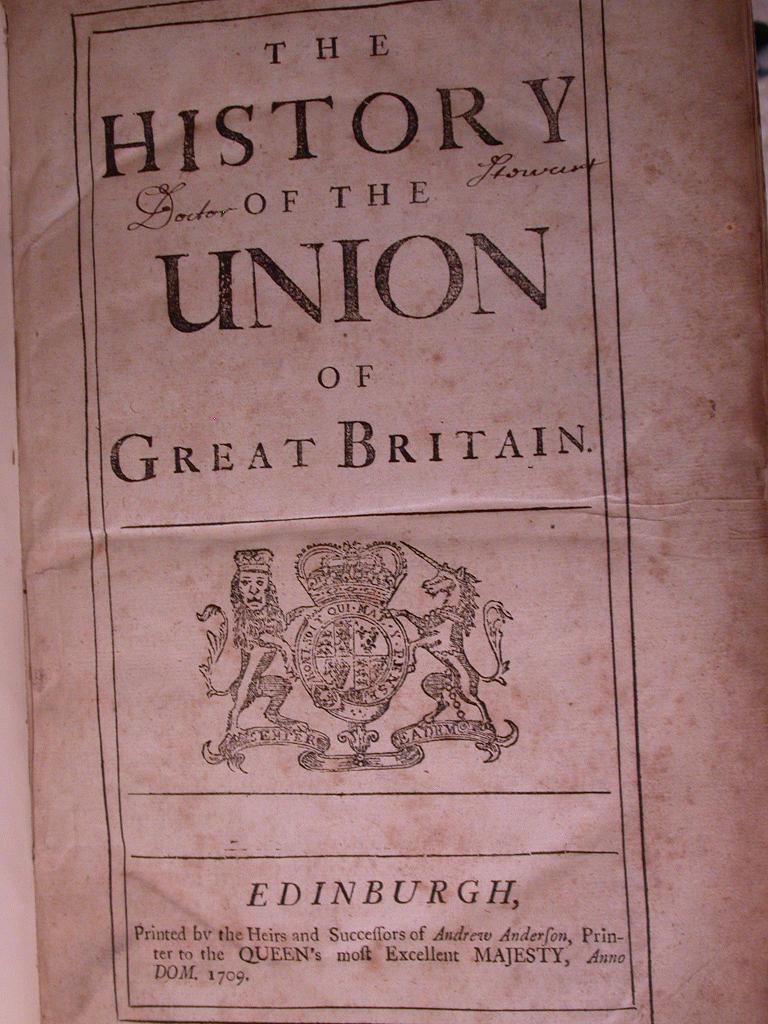
Defoe’s output was unusually varied: political pamphlets, economic commentaries, topographical sketches, and serialized journalism. He edited and contributed to periodicals that discussed current affairs and policy, bringing practical knowledge of trade and finance into his public work. Financial ups and downs and entanglements with political authorities shaped both his topics and his choice of pseudonyms.
Major works
He is best remembered for the novel Robinson Crusoe (1719), a first‑person survival narrative that combines adventure with moral and economic observation. Other important titles include Moll Flanders and A Journal of the Plague Year, which use realistic detail and documentary tone to explore crime, survival and urban life.
Style, themes and significance
Defoe’s narratives often feature pragmatic protagonists, careful inventory of goods and events, and a plain, reportorial voice that blends fact and invention. These qualities helped early novel readers accept fictional prose as a vehicle for social and moral reflection. Scholars frequently cite him as a key figure in the development of the English novel.
Legacy and notable facts
- Defoe’s works have been widely translated and adapted for stage and screen; Robinson Crusoe remains one of the most enduring adventure stories in Western culture.
- He wrote anonymously or under many names, a common practice among political and commercial writers of his era.
- Defoe mixed reportage and fiction, influencing later realist and journalistic traditions.
Related articles
Author
AlegsaOnline.com Daniel Defoe: English novelist, journalist and trader Leandro Alegsa
URL: https://en.alegsaonline.com/art/25388
Sources
- thefamouspeople.com : "Who is Daniel Defoe? Everything You Need to Know"