
Rochdale: Market town and birthplace of the co‑operative movement
Rochdale is a market town in the North West of England, northeast of Manchester. Known for its Victorian town hall and as the origin of the modern co‑operative movement, it sits on the edge of the Pennines.
Overview
Rochdale is a market town with a long commercial tradition situated in the North West of England. It lies to the north‑east of Manchester and is administered within the metropolitan county of Greater Manchester. Historically the town was part of Lancashire until local government reorganization on 1 April 1974.
Image gallery
10 Images
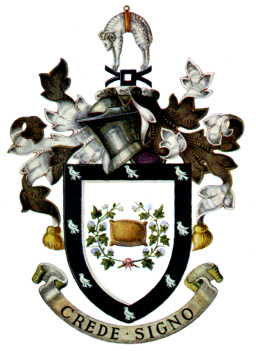


Geography and setting
Rochdale occupies a valley where the River Roch runs through the town, with higher moorland and foothills of the Pennines to the north and east. The surrounding landscape includes reservoirs and recreational lakes popular for walking and watersports, and the town functions as a local centre serving nearby villages and commuter suburbs.
History and identity
Originally a market and textile centre, Rochdale expanded rapidly during the Industrial Revolution as wool and cotton mills multiplied across the town and surrounding valley. Its most widely recognised historical contribution is to the co‑operative movement: in 1844 a group of local weavers and traders founded the Rochdale Society of Equitable Pioneers, whose principles shaped co‑operative enterprises internationally. The original store and related heritage are commemorated locally.
Landmarks and culture
Rochdale retains notable Victorian architecture, most prominently an ornate town hall built in the 19th century, along with churches, civic buildings and former mill structures adapted for modern uses. Cultural life includes museums and community venues that interpret the town's industrial past and co‑operative heritage. Visitors often seek out historical sites, public parks, and local markets that reflect the town's commercial roots.
Economy, transport and contemporary life
After the decline of large‑scale textile manufacturing, Rochdale's economy diversified into retail, services, light industry and public administration. The town is connected by road and rail to Manchester and other regional centres, supporting commuting as well as local employment. Regeneration projects have focused on preserving historic fabric while adapting buildings for housing, business and cultural use.
Notable facts
- Birthplace of the modern co‑operative movement and the set of principles known as the "Rochdale Principles".
- Home to distinctive Victorian civic architecture and former mill complexes.
- Serves as a hub between urban Manchester and the upland Pennine landscapes to the north.
For more information about local history, services and visitor attractions consult local resources and archives that specialise in the town's industrial and social heritage.
Related articles
Author
AlegsaOnline.com Rochdale: Market town and birthplace of the co‑operative movement Leandro Alegsa
URL: https://en.alegsaonline.com/art/83471