
Rhodes: Greek island of the Dodecanese
Rhodes is a large Greek island in the southeastern Aegean Sea, known for its medieval Old Town, ancient heritage, tourism economy and a layered history from Bronze Age to modern Greece.
Rhodes (Greek: Rhodos) is an island in the southeastern Aegean Sea and the largest of the Dodecanese group. It lies off the Anatolian coast and combines a varied landscape of coastal plains, low mountains and long beaches. The island's modern population is concentrated in Rhodes City on the north coast and smaller towns such as Lindos on the southeast. It is served by an international airport near the city, many ferry connections to the Greek mainland and other islands, and a seasonal tourism industry that forms the backbone of the local economy. For general geographic details see overview resources.
Image gallery
10 Images


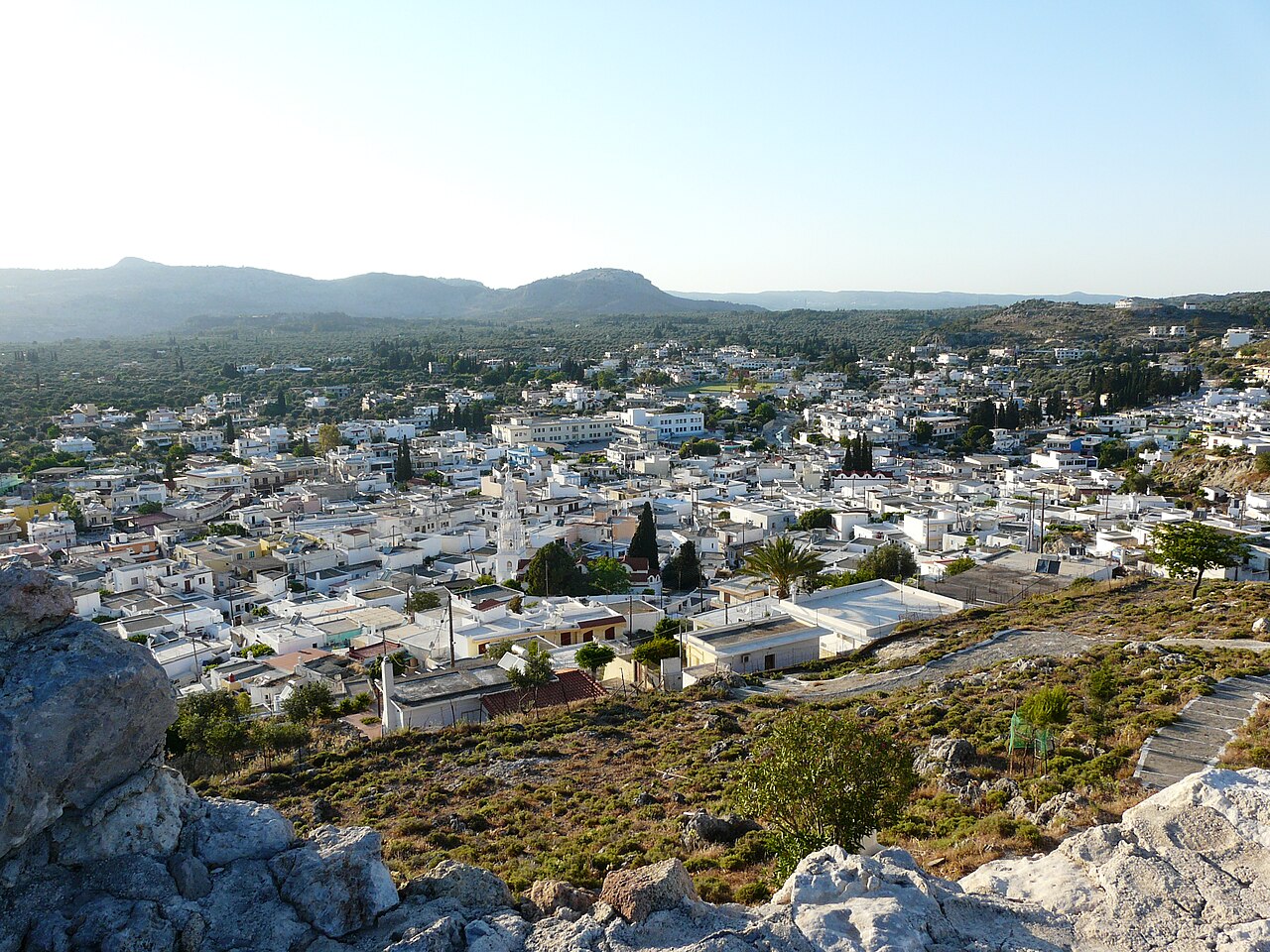


Geography and settlements
Rhodes measures roughly 79 km from north to south and has many bays, peninsulas and sandy shores. Rhodes City, the island's principal urban centre, contains the well-preserved Medieval Old Town and harbour; Lindos is famed for its whitewashed houses and a hilltop acropolis overlooking the sea. Smaller villages and agricultural areas produce olives, citrus, wine and vegetables. Transportation links and visitor information are available via local guides.
History
Human presence on Rhodes dates back to the Bronze Age (second millennium BCE). In antiquity the island was an important maritime and commercial centre and gave its name to the island city-states that prospered in classical times. Rhodes was famed for the Colossus of Rhodes, a large Hellenistic statue that stood at the harbour entrance in the third century BCE and was celebrated as one of the ancient Seven Wonders.
In the medieval period the island became a strategic stronghold. The Knights Hospitaller (also called the Knights of St. John) governed Rhodes from the early 14th century until Ottoman forces captured the island after a long siege in 1522. Ottoman rule lasted several centuries. In the 20th century Rhodes and the Dodecanese passed to Italian control after the Italo-Turkish War (1912), later experienced German occupation during World War II, and came under British administration before being united with the modern Greek state after the war. More historical summaries can be found at historical sources, archival records and wartime accounts.
Economy, culture and uses
Today the island's economy depends primarily on tourism, with visitors attracted by beaches, antiquities and a lively cultural calendar. Agriculture and fishing remain important in rural districts: olives, grapes, citrus fruits and almonds are typical products. Rhodes also hosts archaeological excavations, museums and festivals that highlight its long cultural heritage. Practical travel information and services are listed through official tourism pages and local operators at visitor information.
Notable sites and distinctions
- Rhodes Old Town: a medieval walled city and UNESCO World Heritage site, noted for its streets, fortifications and Hospitaller architecture.
- Acropolis of Lindos: classical and Hellenistic remains overlooking the sea.
- Archaeological finds and museums documenting prehistoric, classical and Byzantine periods.
- Longstanding reputation as a major eastern Mediterranean destination blending archaeology, architecture and seaside resorts.
Rhodes remains a place where layers of history are visible in the urban fabric and landscape: ancient Hellenistic monuments, crusader castles and Ottoman-era neighbourhoods coexist alongside contemporary tourist facilities and agricultural land. For further reading and practical links consult the referenced resources above (geography, transport, history, archives, WWII, tourism).
Questions and answers
Q: What is the name of the island in Greek?
A: The island is called Rhodos in Greek.
Q: What are the two largest cities on Rhodes?
A: The two largest cities on Rhodes are Rhodes City in the north and Lindos in the south-east.
Q: How many people live on Rhodes?
A: Approximately 120,000 people live on Rhodes.
Q: Where is the international airport located?
A: The international airport is located near to Rhodes (city) in Paradisi, which is in the north of the island.
Q: When was first settlement established on Rhodes?
A: First settlement was established on Rhodes at 16th century before Christ.
Q: Who occupied Rhodes after Italy won it from Turkey?
A: After Italy won Dodecanese from Turkey, Germany took them over in 1943 and then Britain took them over 1945.
Q: What industry does most of its economy depend upon now?
A: Nowadays, most of its economy depends upon tourism industry.
Related articles
Author
AlegsaOnline.com Rhodes: Greek island of the Dodecanese Leandro Alegsa
URL: https://en.alegsaonline.com/art/82528