
Rhode Island Sound
Rhode Island Sound is an expanse of Atlantic coastal water off Rhode Island in southeastern New England, known for its maritime traffic, fisheries, recreational use, and marine habitats.
Overview
Rhode Island Sound is a broad marine area of the Atlantic Ocean located off the southern and eastern shores of the U.S. state of Rhode Island. It lies at the mouth of several bays and opens to the offshore shelf, forming an important transition between coastal waters and the deeper ocean. The sound is linked geographically and economically to the state and region: it sits off the coast of Rhode Island and is part of the greater maritime landscape of New England.
Image gallery
1 Image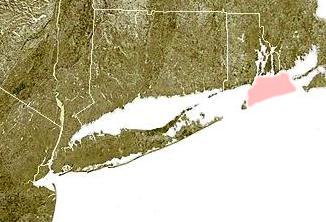
Geography and oceanography
The area includes open water, coastal shoals, and channels that connect smaller bodies such as Narragansett Bay with the outer shelf. Tidal flows, currents from the Gulf of Maine and the broader Atlantic, and seasonal temperature changes shape the sound's waters. The seafloor varies from sand and gravel to occasional rocky outcrops and leads to a diversity of habitats important for marine life and navigation.
Ecology and human uses
The sound supports a mix of marine species, including commercially and recreationally valuable fish and shellfish, as well as migratory marine mammals and seabirds. People use the area for fishing, boating, whale watching, and other recreation. It is also traversed by coastal shipping and ferry routes and has been considered in regional planning for renewable energy and fisheries management.
History and notable facts
Historically, Rhode Island Sound has been central to local fisheries and coastal communities since colonial times and earlier. Indigenous peoples, European settlers, and modern maritime industries have all made use of its resources. The sound's position at the mouth of Narragansett Bay and near island landmarks has made it a familiar navigational region for centuries.
Distinctions and adjacent areas
- The sound is distinct from nearby bodies such as Narragansett Bay, Block Island Sound, and Nantucket Sound, each with its own bathymetry and coastal character.
- It functions as a transition zone between sheltered bays and the open Atlantic, influencing local weather, waves, and ecosystems.
- Management of the sound involves state and federal agencies working on fisheries, navigation safety, conservation, and coastal planning.
For more detailed maps, ecological studies, and regulatory information, consult regional resources and authorities that focus on coastal New England and Rhode Island maritime issues.
Related articles
Author
AlegsaOnline.com Rhode Island Sound Leandro Alegsa
URL: https://en.alegsaonline.com/art/82523