
Rhyl — Seaside town and community in North Wales
Rhyl is a coastal town in Denbighshire, North Wales, known for its beachfront, Victorian resort heritage, listed buildings and ongoing regeneration since late 20th-century decline.
Overview
Rhyl (Welsh: Y Rhyl, pronounced "Rill") is a seaside town and community on the north coast of Wales. Administratively it is part of Denbighshire and lies within the area commonly referred to as North Wales. Historically Rhyl was in the county of Flintshire and later the preserved county of Clwyd. At the time of the 2011 census its population was recorded as 25,149, making it one of the larger settlements in the region.
Image gallery
10 Images




Character and setting
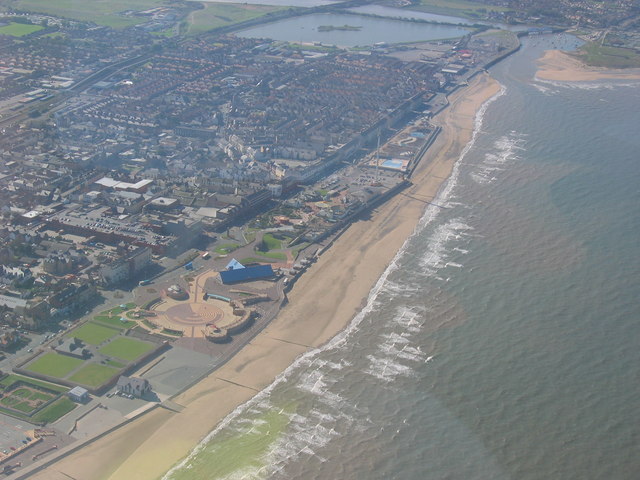
The town occupies a coastal plain with a wide promenade and sandy beaches that have long been the focal point for visitors. Rhyl developed as a resort in the 19th century and retains elements of that era in street patterns and public buildings. Its seafront and parkland have supported leisure, retail and hospitality activity, while inland areas contain housing, local services and light industry serving the community and neighbouring towns.
History and development
Rhyl’s popularity grew during the Victorian period as travel by rail and sea made coastal holidays accessible to a wider public. Later social and economic change, including shifts in holiday patterns and post-war influences from nearby English cities such as Liverpool and Manchester, affected the town’s economy and character after World War II. By the late 20th century Rhyl experienced decline in parts of its centre and seafront, but recent decades have seen concerted regeneration efforts aimed at improving public spaces, attracting investment and diversifying the local economy.
Architecture, heritage and landmarks
Rhyl contains a number of protected buildings and structures. Several are listed, reflecting their architectural or historic interest; for example the parish church of St Thomas in Bath Street is designated as Grade II* and other buildings are recorded as Grade II. Older references also record a small dwelling called Ty'n Rhyl and a manor house by that name still survives, offering a link to the area’s rural past.
Economy, tourism and transport
Tourism remains important to Rhyl, with the promenade, beaches and open spaces drawing day visitors and family holidays. The town supports shops, cafés, amusement facilities and community services. Rail connections on the north Wales coast line provide links to nearby towns and to England, while road links and local bus services connect residents and visitors across the region. Regeneration projects have aimed to balance traditional seaside attractions with new housing, leisure and employment opportunities.
Local life and notable facts
Residents experience a mix of seaside town life: seasonal visitor peaks, regular community events, and ongoing efforts to upgrade public amenities. Administratively Rhyl is governed as part of Denbighshire but its identity also reflects historical ties to Flintshire and the preserved county of Clwyd. The town’s story is one of Victorian prosperity, mid-20th-century change and 21st-century renewal.
Practical information
- County and administration: Denbighshire / historically Flintshire, preserved county Clwyd.
- Culture and heritage: Victorian-era resort architecture and several listed buildings (Grade II and above).
- Connections: rail and road links to other parts of North Wales and to England.
Further reading and local resources can provide up-to-date details on regeneration projects, attractions and community services; official tourism or council pages typically offer visitor information and event listings (Victorian resort context).
Related articles
Author
AlegsaOnline.com Rhyl — Seaside town and community in North Wales Leandro Alegsa
URL: https://en.alegsaonline.com/art/82548