
Rockefeller Republican
A label for mid-20th-century U.S. Republicans who combined pro-business views with socially liberal policies and active government programs, associated especially with Nelson Rockefeller and Northeastern politics.
Overview
The term "Rockefeller Republican" identifies a strain of Republican politics in the United States that emerged in the mid-20th century. It describes politicians who combined fiscal responsibility and business-friendly policies with more liberal stances on social issues, civil rights, and an activist role for government in areas such as infrastructure and public welfare. The name honors Nelson Rockefeller, a prominent leader who exemplified this approach; for more on the term's usage see background and the broader U.S. context at national politics.
Image gallery
4 Images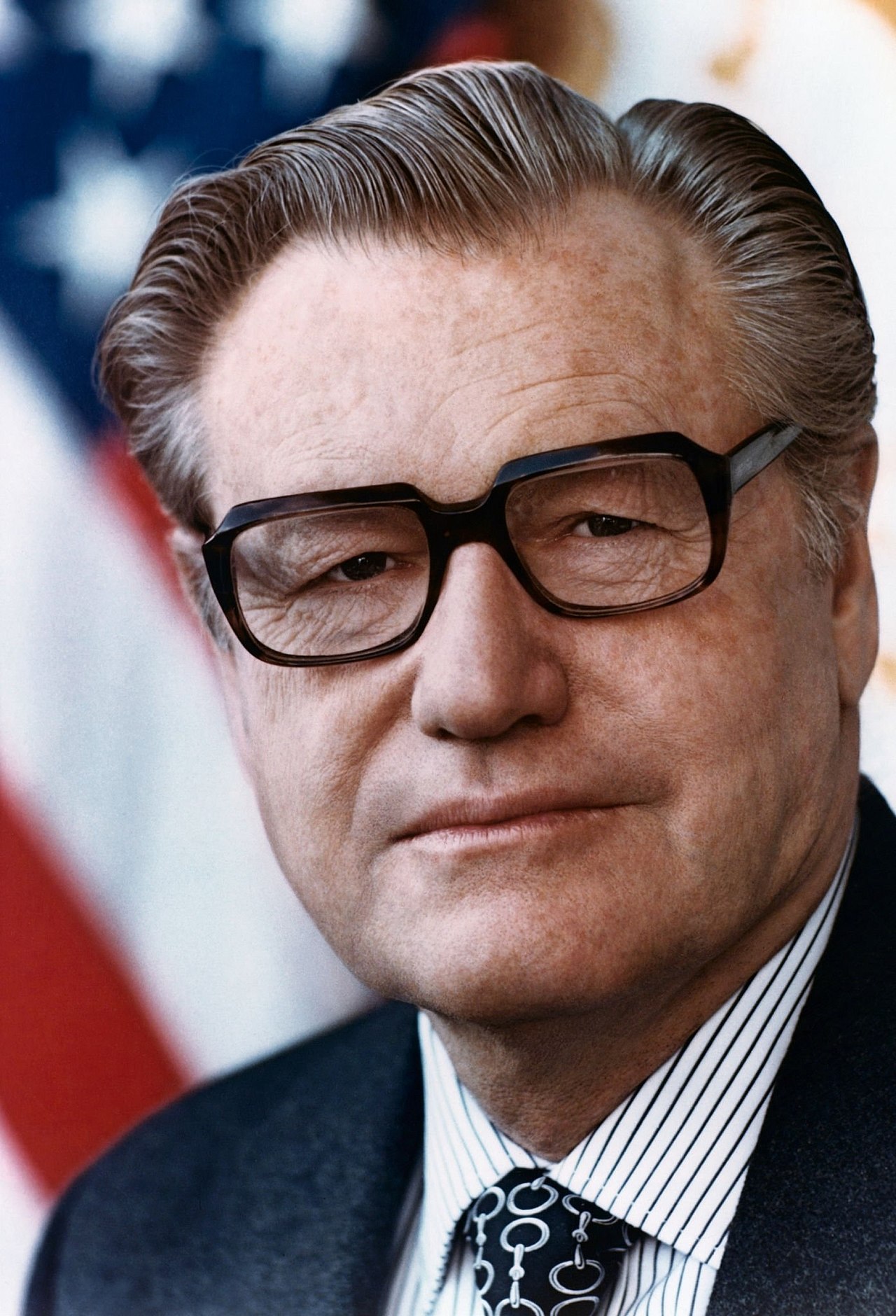


Defining characteristics
Rockefeller Republicans tended to share several features. They were typically:
- Moderate to liberal on social issues, supporting civil rights, environmental regulation, and expanded educational or social programs (moderate).
- Pro-business but pragmatic, favoring free enterprise while accepting government investment in large projects and safety nets (liberal Republican tendencies).
- Internationalist in foreign policy, backing alliances and a robust global role for the United States.
- Regionally concentrated—many came from the Northeast and Upper Midwest, reflecting different political cultures than the party's Southern and Western wings (New York and other states).
History and development
Nelson Rockefeller, governor of New York and later Vice President, was the most visible exemplar of this wing; biographical and archival material can be found via his records and related collections (further reading). The Rockefeller tradition rose during the 1950s and 1960s when the Republican coalition included influential moderates, but it faced pressure as conservative movements gained strength from the late 1960s through the 1980s.
Legacy and significance
While the specific label is less common today, the political balance it described—combining economic pragmatism with social liberalism and internationalism—continues to appear among centrist Republicans and independents. Understanding Rockefeller Republicans helps explain mid-century policy choices on infrastructure, civil rights, and foreign affairs, and highlights internal party diversity that has shifted over time.
Related articles
Author
AlegsaOnline.com Rockefeller Republican Leandro Alegsa
URL: https://en.alegsaonline.com/art/83552