
Riot grrrl — 1990s feminist punk movement
Riot grrrl is an underground feminist punk movement from the early 1990s that combined music, DIY publishing and political activism to challenge sexism and create female-centered spaces.
Riot grrrl emerged in the early 1990s as a grassroots, feminist offshoot of the punk scene. It combined aggressive, often lo-fi music with explicit political messages and a do‑it‑yourself ethos. Participants used concerts, self-published writing and small networks to address sexism, sexual violence, gender roles and other social issues while creating spaces where women and marginalized people could perform and organize.
Image gallery
7 Images


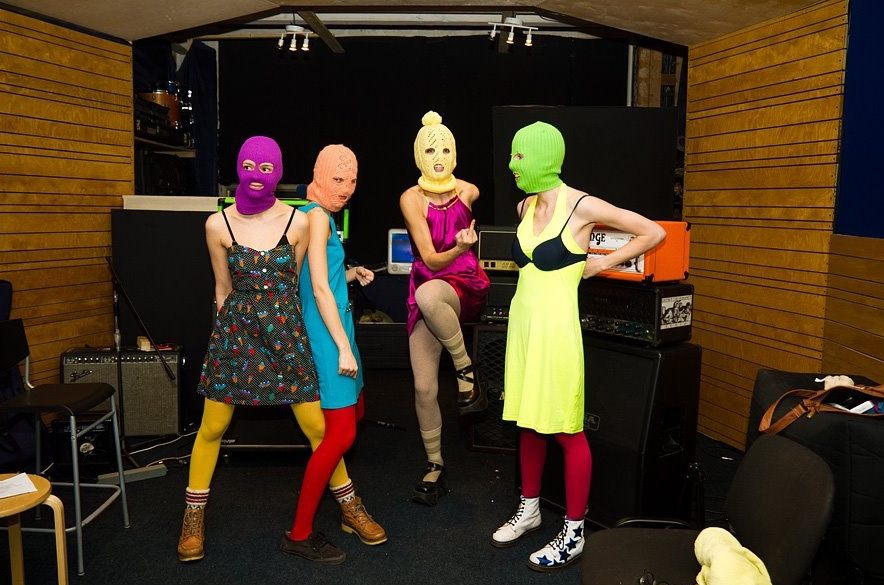
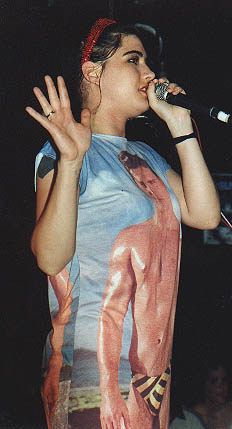
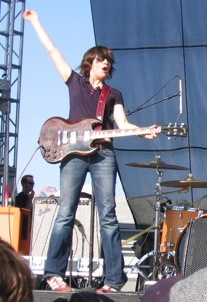
Origins and development
The movement began in the Pacific Northwest and nearby college towns, where bands and activists connected through shows, letters and independent record labels. Key early figures included Kathleen Hanna and groups such as Bikini Kill. Riot grrrl grew rapidly in part because of the accessibility of punk venues and the distribution of homemade publications called zines. As it spread, local chapters and scenes formed their own styles and priorities while sharing a common commitment to confronting gendered power dynamics.
Characteristics and themes
Musically, riot grrrl bands often favored raw instrumentation, short songs and confrontational stage presence. The movement emphasized personal testimony as political action: zines, letters and spoken-word segments tackled topics like body image, consent, reproductive rights and queer identity. Participants embraced DIY production—booking shows, printing zines and creating community resources without reliance on mainstream institutions.
Culture, media and examples
Riot grrrl culture relied on several interconnected practices:
- Live shows that doubled as forums for discussion and mutual support.
- Self-published zine networks that circulated ideas and art.
- Small independent labels and tape trading that spread recordings beyond local scenes.
Besides Bikini Kill, other notable acts and projects associated with the scene included Bratmobile and numerous local bands and zine editors who favored direct action and consciousness-raising.
Legacy and distinctions
Riot grrrl helped shape third‑wave feminism by linking cultural production to political organizing and by foregrounding young women’s voices in punk and alternative culture. It faced media misunderstanding and internal debates over inclusivity, which led to diverse interpretations and offshoots. Elements of riot grrrl—its DIY practices, emphasis on storytelling and commitment to safe spaces—continue to influence music scenes, feminist art and activist networks today. For historical context and primary materials, see sources on the original punk movement and contemporary retrospectives of riot grrrl activity available through archival and scholarly collections such as music scene overviews.
Related articles
Author
AlegsaOnline.com Riot grrrl — 1990s feminist punk movement Leandro Alegsa
URL: https://en.alegsaonline.com/art/83022