
Neolithic Revolution: origins, features, and long-term effects
The Neolithic Revolution was the gradual transition from hunting and gathering to agriculture, sedentary life, and new social and technological systems across multiple regions over thousands of years.
Overview
The Neolithic Revolution describes the slow but profound shift from mobile foraging to food production and settled communities. Often called the first agricultural revolution, it unfolded at different times in different places rather than as a single, global event. The phrase and its general framework are widely used in archaeology and history to describe changes in economy, technology and social organization associated with early farming (first agricultural revolution).
Image gallery
10 Images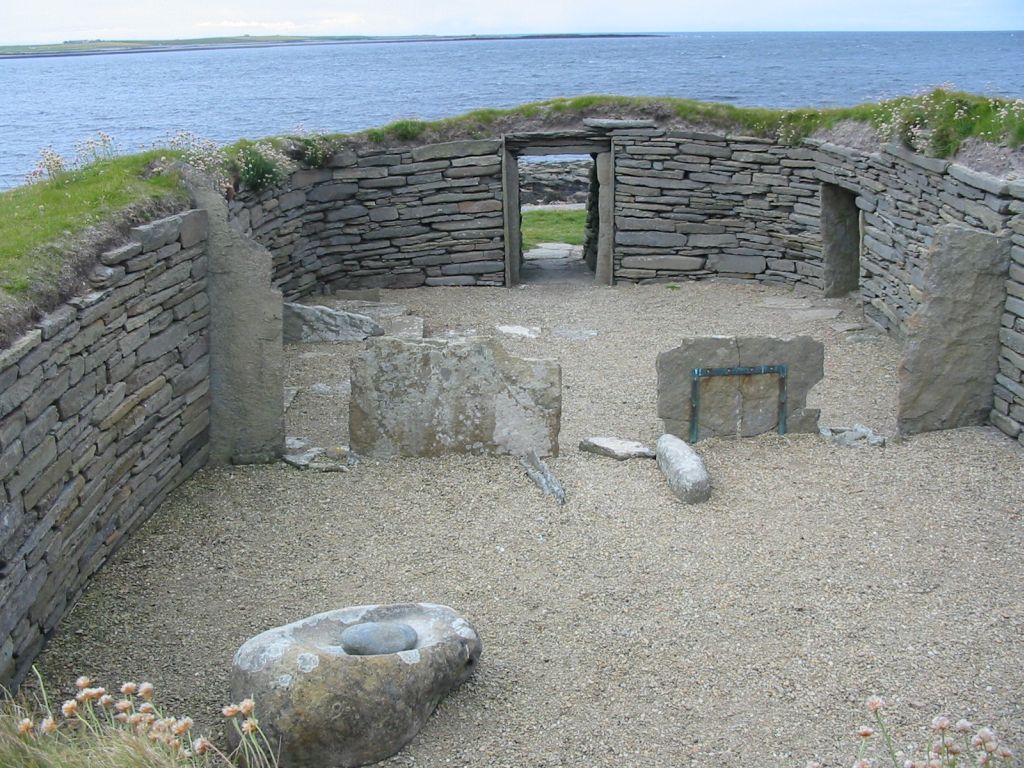
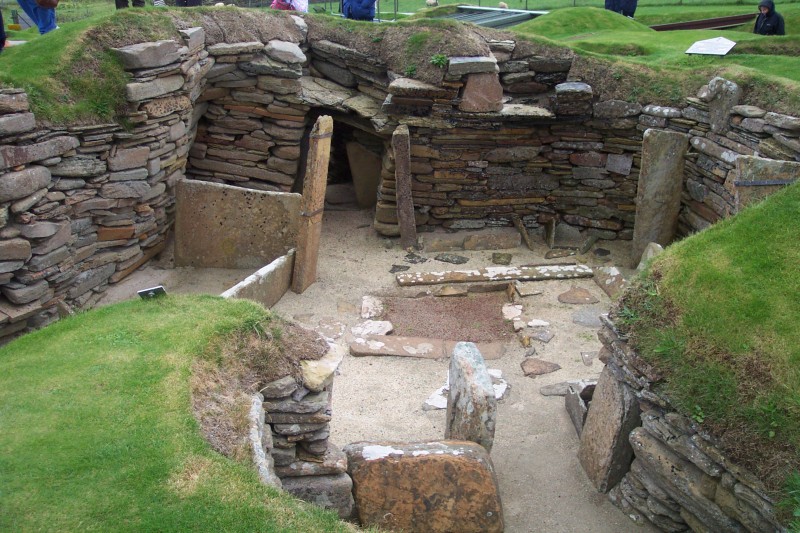





Characteristic changes
This transition involved a bundle of interlinked developments. Key features included the domestication of plants and animals, the founding of permanent or seasonal villages, deliberate crop cultivation and seed selection, and new material technologies such as pottery and polished stone tools. Food storage and surplus production enabled trade, craft specialization and more complex hierarchies. These characteristics are commonly cited as markers of the Neolithic way of life (sedentism) (hunting and gathering contrast).
- Domestication of plants and selective cultivation of cereals and pulses (plants).
- Domestication and herding of animals for meat, milk and labor (animals).
- Permanent settlements, storage facilities and evolving concepts of land use and ownership (property).
- New crafts, long-distance exchange and social differentiation (trade).
Origins and regional spread
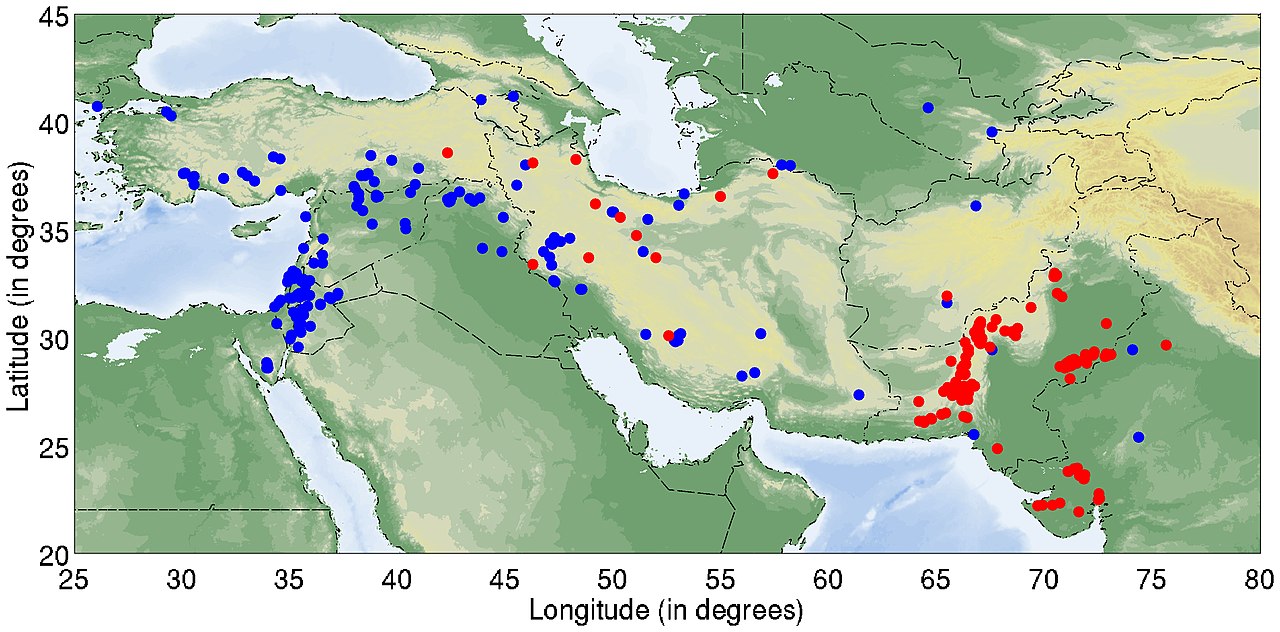
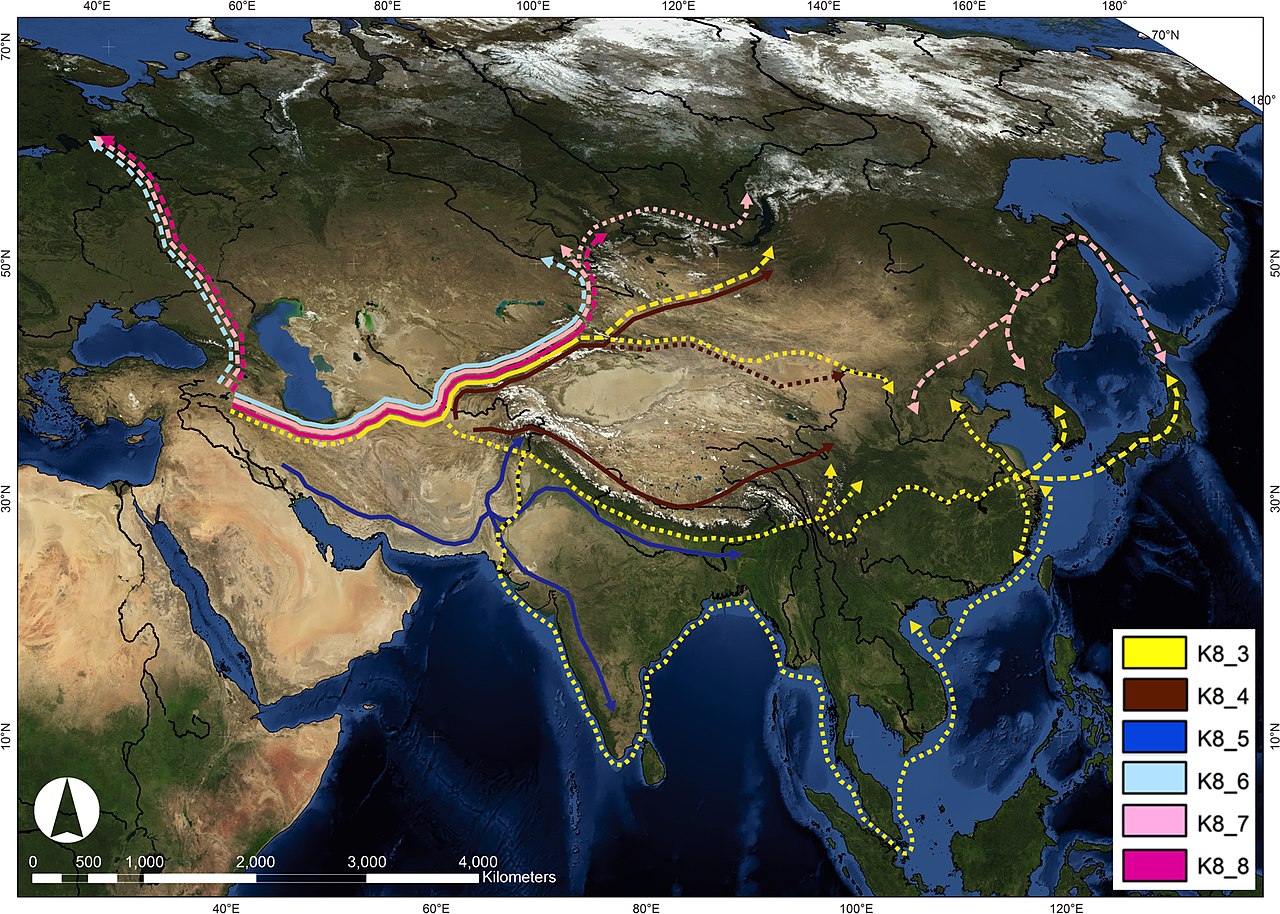
Archaeological evidence shows agriculture emerging independently in several zones. The Fertile Crescent in southwest Asia is one of the earliest well-documented centers where cereals such as wheat and barley and animals like sheep and goats were domesticated. Other independent centers include parts of East Asia (rice and millet), sub-Saharan Africa, New Guinea, and the Americas (maize, beans, squash). Timelines vary: in some regions the transition began around twelve thousand years ago, while elsewhere it occurred much later. Migration, cultural contact and local innovation all played roles in the diffusion and adaptation of farming practices (domestication) (settlement) (land).
Consequences and significance
By enabling more reliable food supplies, the Neolithic economy supported larger populations and denser settlements. Surpluses could be stored, redistributed or traded, which helped some communities survive lean years. At the same time, farming introduced new risks: crop failure, zoonotic disease from close contact with domestic animals, and environmental changes from land clearance. Social organization shifted too, often creating ranked leadership, specialized labor, and newer forms of ritual and architecture (environment) (population) (growth).
Examples of crops, animals and technologies
Different regions produced distinct agricultural packages. In the Near East: wheat, barley, lentils, sheep and goats. In East Asia: rice and millet with pig and water buffalo in some areas. In the Americas: maize, beans and squash were central. Technologies that spread or developed independently included pottery for cooking and storage, grinding stones, and polished stone axes for woodland clearance. These practical changes reshaped diets, economies and settlement patterns (vegetables) (cereals) (hierarchies) (surplus).
Distinctions, debates and lasting legacy
Scholars emphasize that the Neolithic 'revolution' was not instantaneous nor uniformly beneficial. Debates continue about motivations for adopting farming—climate change, population pressure, social choice or a mix of factors—and about the pace of change. Some groups retained mixed strategies of cultivation and foraging long after agriculture appeared in their region. Nevertheless, the Neolithic transformation laid the foundations for urbanization, states, and many institutions of later historic societies, making it a core subject in understanding human social evolution (production) (yields).
Questions and answers
Q: What is the Neolithic revolution?
A: The Neolithic revolution was the first agricultural revolution. It was a gradual change from nomadic hunting and gathering communities to agriculture and settlement, which changed the way of life of the communities that made the transition.
Q: When did it occur?
A: The Neolithic revolution occurred in different prehistoric human societies at different times, with many societies changing 9–7 thousand years ago.
Q: What changes occurred during this time period?
A: During this time period, early agriculture techniques were adopted, crop cultivation took place, and animals were domesticated. People also began living in permanent or semi-permanent settlements instead of leading a nomadic lifestyle, land ownership was developed, population sizes grew, diets shifted to include more vegetable and cereal foods, hierarchies developed in society, grain was stored and traded for surplus production from good crop yields.
Q: How did it affect people's lifestyles?
A: The Neolithic revolution changed people's lifestyles by transitioning them away from a nomadic hunting and gathering lifestyle to one based on agriculture and settlement. This led to fewer people leading a nomadic lifestyle as well as changes in social organization and technology such as land ownership being developed.
Q: How did it affect diet?
A: As part of the transition to an agricultural lifestyle during the Neolithic revolution, people's diets shifted to include more vegetable and cereal foods than before.
Q: What other effects did it have on society?
A: In addition to affecting diet and lifestyle through transitioning away from a nomadic hunting and gathering lifestyle towards one based on agriculture and settlement; population sizes grew; hierarchies developed; grain could be stored for trade or surplus production; land ownership was established; social organization changed; technology advanced.
Related articles
Author
AlegsaOnline.com Neolithic Revolution: origins, features, and long-term effects Leandro Alegsa
URL: https://en.alegsaonline.com/art/69144