
Richard Ojeda's 2020 presidential campaign
Overview of Richard Ojeda's 2020 Democratic presidential bid: announcement, background, platform themes, campaign course, withdrawal, and its political significance.
Overview — The 2020 presidential campaign of Richard Ojeda, a West Virginia state senator, was launched on November 11, 2018. His candidacy drew attention because he was a sitting state legislator pursuing a national nomination, a path that is uncommon in modern presidential politics. Media observers characterized Ojeda as a longshot and an underdog who sought to bring a working‑class, populist message to the Democratic primary.
Image gallery
2 Images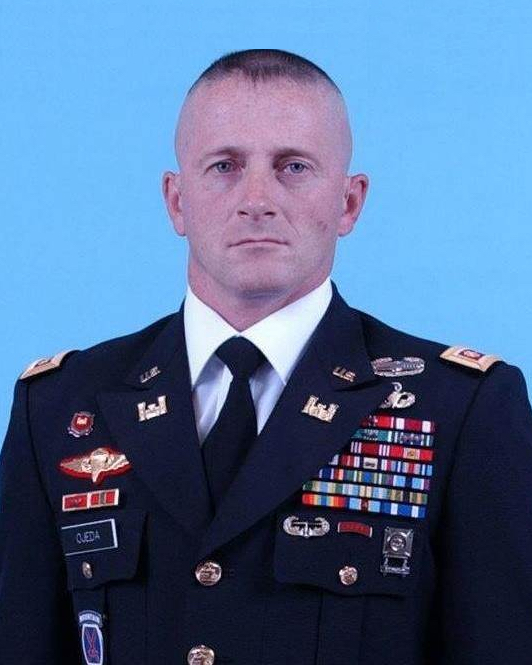

Background and profile
Ojeda entered politics after a varied career that included military service and work in coal mining and education; those experiences shaped his public persona as an outspoken advocate for veterans, miners and rural communities. As a Democrat in a state that has shifted heavily toward Republicans in recent years, he combined pro‑labor rhetoric with blunt criticism of political elites. His early announcement made him the second elected Democrat to declare a 2020 bid after Representative John Delaney.
Campaign themes and positions
Ojeda emphasized economic and social issues aimed at working‑class voters. His platform highlights included:
- Support for unions and measures to protect manufacturing and mining jobs.
- A focus on veterans' services and accountability for military care.
- Health care concerns for rural areas and working families.
- A populist critique of trade deals and political Washington.
Course of the campaign
From the announcement, Ojeda sought to amplify voices from small towns and former industrial communities rather than immediately build a large national infrastructure. He participated in interviews and public appearances to raise his profile, but the campaign faced familiar hurdles for outsider campaigns: limited fundraising, the logistics of organizing across early states, and difficulty breaking through a crowded Democratic field.
Withdrawal and aftermath
On January 26, 2019, Ojeda suspended his campaign. He cited the practical challenges of competing in a nationwide primary and the limits of his campaign's resources. Although his candidacy was brief, it served to spotlight issues affecting rural and working‑class Americans within the Democratic primary conversation.
Significance
Ojeda's run is notable for illustrating how local or state officials can use presidential bids to elevate regional concerns and test national appeal. While he did not become a major contender, his campaign underscored persistent divides in American politics over class, geography and the party coalitions that contests for the presidency must address.
Related articles
Author
AlegsaOnline.com Richard Ojeda's 2020 presidential campaign Leandro Alegsa
URL: https://en.alegsaonline.com/art/82712
Sources
- voteojeda.com : "Mission"
- thedaonline.com : "West Virginia Democrat launches 2020 bid"
- youtube.com : Richard Ojeda for President
- msnbc.com : "Richard Ojeda slams border 'stunt,' plots 2020 bid"
- youtube.com : BREAKING: Richard Ojeda Running For President In 2020
- fivethirtyeight.com : "Can A Trump Voter From West Virginia Win The 2020 Democratic Primary?"
- youtube.com : "Richard Ojeda's SHOCKING Announcement"