
Bantustan: homelands of apartheid-era South Africa and South West Africa
Bantustans were territories created under apartheid to segregate black populations into nominal homelands. They were economically marginal, internationally unrecognised and were abolished and reintegrated in 1994.
A Bantustan, often called a homeland or black state, was a territory set aside under South Africa's system of apartheid for particular black ethnic groups. The word combines Bantu (a term for many southern African peoples and languages) with the Persian suffix -stan ("land"). Policymakers portrayed Bantustans as self-governing national units, but in practice they were instruments of segregation and control.
Image gallery
4 Images

Scope and organisation
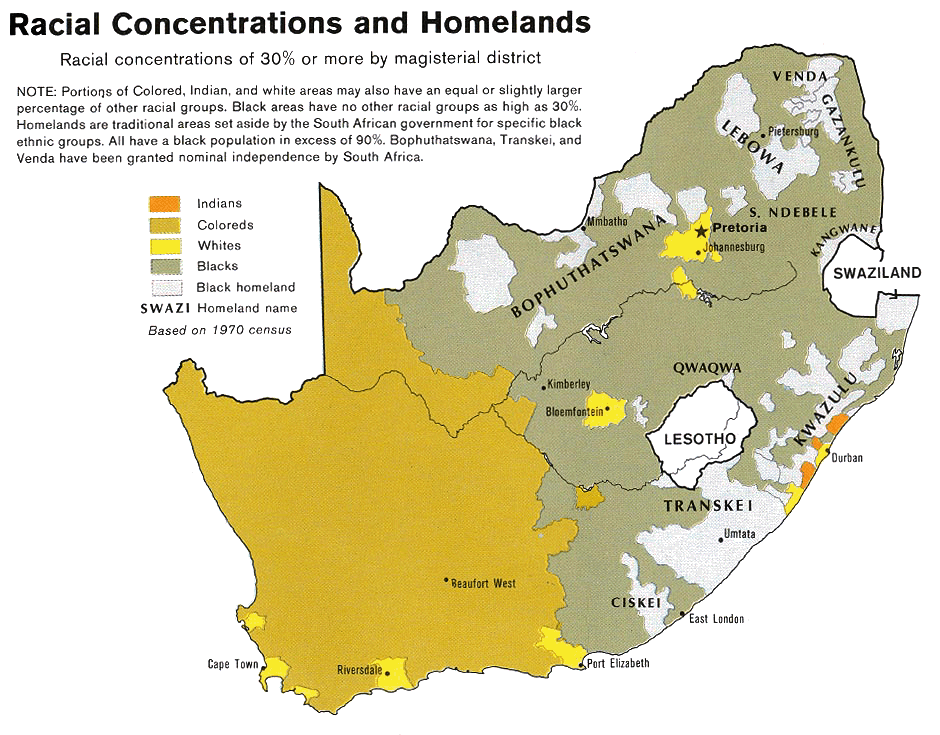
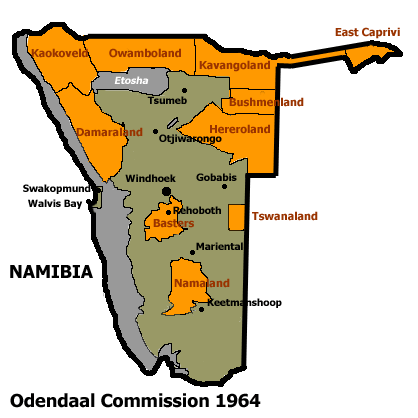
Within South Africa ten Bantustans were created, and a further series of homelands were established in the territory administered as South West Africa (now Namibia). The apartheid government argued these divisions would become independent nation states for different African ethnic groups, thereby removing black people from the political body of South Africa. In reality the Bantustans were fragmented, small and economically dependent on the white-controlled state.
Legal basis and development
The homeland policy developed through mid‑20th century apartheid legislation and administrative acts that aimed to transfer political rights for black South Africans to territorial homelands. Between 1976 and 1981 four territories — Transkei, Bophuthatswana, Venda and Ciskei (sometimes called the TBVC states) — were declared "independent" by the South African government; no significant international recognition followed. Other homelands were designated self-governing but remained under Pretoria's authority.
Social and economic characteristics
Bantustans shared several common features that shaped daily life and long-term outcomes:
- Territorial fragmentation: many homelands consisted of non-contiguous patches of land that excluded the most fertile and resource-rich areas.
- Overcrowding and limited resources: comparatively high population densities were imposed on small plots, producing acute pressure on land and services.
- Loss of citizenship and rights: official transfer of citizenship to a homeland often meant losing rights in South Africa, complicating employment, voting and legal status for migrants who lived and worked outside homelands.
- Economic dependence: homelands lacked industry, formal employment and infrastructure, creating reliance on remittances and migrant labour to urban areas.
Reception, international response and end of the Bantustans
Most black South Africans rejected the homeland scheme as a means to disenfranchise them and to entrench white minority rule; protests and organized opposition were common. International bodies and many foreign states refused to accept the so‑called independent Bantustans as legitimate. The system effectively ended with South Africa's negotiated transition; Bantustans were dismantled and their territories reincorporated into a unitary Republic of South Africa in 1994.
Legacy and notable facts
The Bantustan policy left lasting effects: entrenched rural poverty, contested land ownership and administrative arrangements that required substantial post‑apartheid reforms. In Namibia similar homeland policies under South African administration also shaped ethnic and territorial divisions during the 20th century. Scholars and policymakers continue to study how the homelands shaped migration patterns, traditional authorities and regional development in southern Africa.
For background reading on the apartheid policy and homeland program see entries and resources linked to apartheid, the list of territories in South Africa, and information about South West Africa and Namibian developments via South West Africa and Namibia. Additional context on the stated political aims appears in discussions of intended nation-state creation and the etymology of the term via Bantu and the suffix -stan.
Questions and answers
Q: What was a Bantustan?
A: A Bantustan was a territory set aside for South Africa's black inhabitants during apartheid.
Q: How many Bantustans were established in South Africa?
A: 10 Bantustans were established in South Africa.
Q: Why were Bantustans established in South Africa?
A: The goal of establishing Bantustans was to create nation states for the black tribes of Africa.
Q: What does the term Bantustan mean?
A: The term Bantustan comes from Bantu (meaning "people" in the Bantu languages) and -stan (meaning "land" in Persian).
Q: Why were Bantustans unpopular among the black population?
A: Bantustans were unpopular because the borders were drawn to exclude valuable land, a lot of people had to share small amounts of land, and becoming citizens of the new territories meant losing citizenship of South Africa, where the majority of candidates for reassignment of citizenship lived and worked.
Q: When were the Bantustans dissolved?
A: The Bantustans were dissolved in 1994.
Q: What happened to the territory of the Bantustans after their dissolution?
A: After their dissolution, their territory was incorporated into the Republic of South Africa, and most parts of the country were redivided into new provinces.
Tags
Related articles
Author
AlegsaOnline.com Bantustan: homelands of apartheid-era South Africa and South West Africa Leandro Alegsa
URL: https://en.alegsaonline.com/art/8809