
Berlin Blockade and Airlift (1948–1949)
A Cold War confrontation in which the Soviet Union cut surface access to West Berlin in 1948–49 and Western Allies sustained the city by a massive airlift, shaping postwar Europe and German division.
Overview
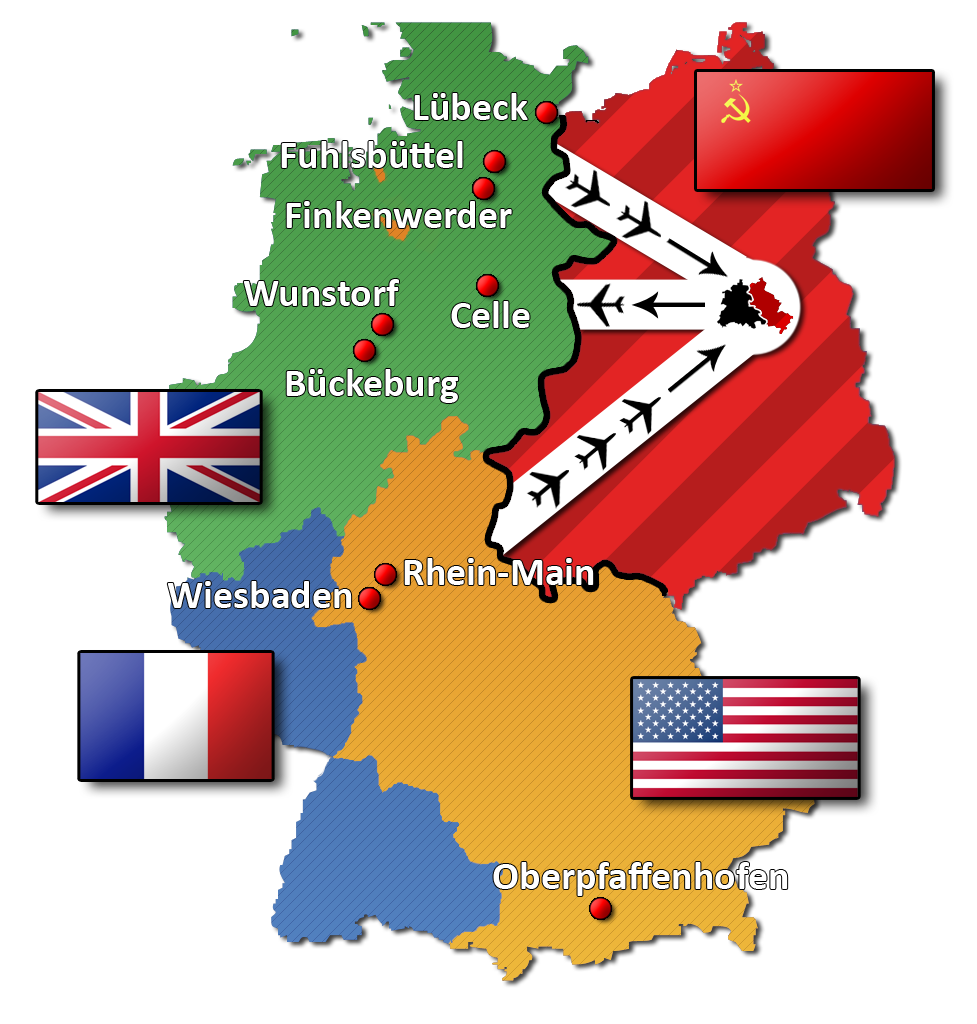
The Berlin Blockade was a major early crisis of the Cold War during which the Soviet Union restricted land and water transport into the portions of Berlin occupied by the Western Allies in an effort to exert political pressure. The measure began in late June 1948 and continued until the spring of 1949. In response, the United States, the United Kingdom and France organized a large-scale air supply operation—commonly called the Berlin Airlift—to provide food, fuel and other necessities to West Berlin's population.
Image gallery
10 Images



Background and causes
After World War II, defeated Germany and its capital were divided into occupation sectors administered by the Soviet Union and the three Western Allies. Tensions rose as the wartime alliance fractured. A key immediate cause of the blockade was the Western powers' currency reform and economic measures in their occupation zones, which the Soviets viewed as steps toward a separate West German state and a threat to their influence. The blockade was intended to challenge Western presence in Berlin and to force political concessions.
The airlift and logistics
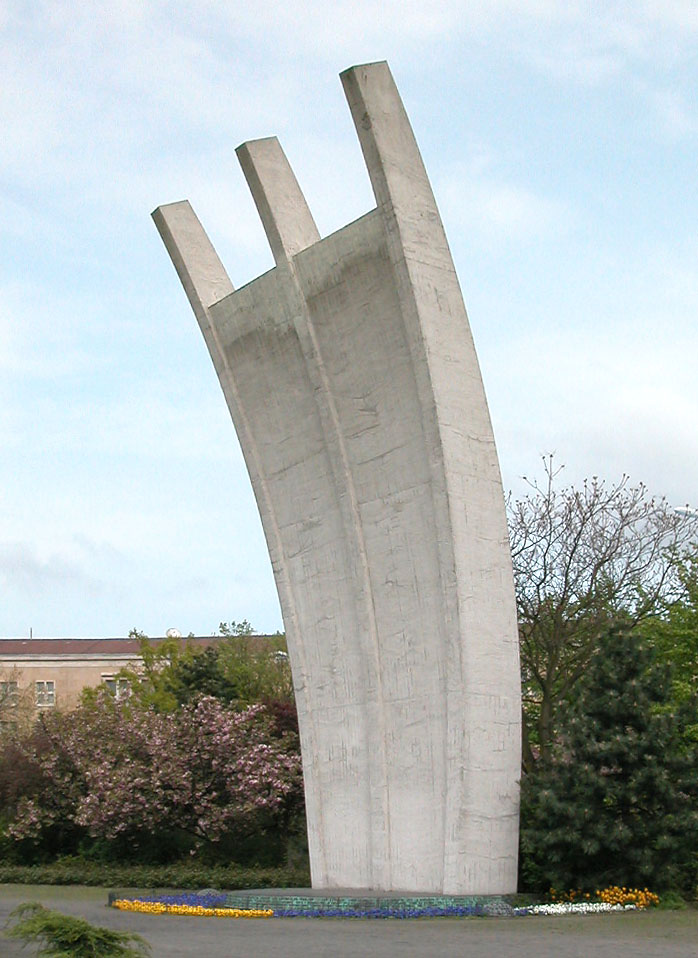
Rather than withdraw, the Western Allies used the city's pre-existing air corridors to deliver supplies by aircraft. The operation involved crews and aircraft from the United States, the United Kingdom and other Allied countries and relied on careful scheduling, round‑the‑clock flights and the construction of loading and unloading facilities. The effort delivered necessities such as food, coal for heating and power, and medicine. The humanitarian and logistical operation became a symbol of Western commitment to Berlin and was widely reported and publicized at the time.
Impact and outcomes
- The blockade failed to compel the Western powers to leave Berlin and was ended by the Soviets after many months, leaving the city divided along the lines established during the occupation period.
- The crisis accelerated political and military cooperation among Western states and helped push forward the creation of institutions for collective security and for the integration of West Germany.
- The airlift demonstrated the ability of air transport to sustain an urban population under blockade conditions and became a notable example of non‑violent resistance during the early Cold War.
Civilian effects and notable facts
West Berliners endured shortages and rationing at the start of the crisis, but morale was boosted by the continuous arrival of supplies and the visible commitment of the Western Allies. The operation included public acts that became part of popular memory, such as pilots who improvised ways to deliver small gifts to children. The blockade and airlift are often seen as decisive moments that confirmed the division of Berlin and of Germany into Eastern and Western blocs.
Further context
Understanding the blockade requires situating it within postwar occupation arrangements and the broader struggle between Soviet and Western political models. The three Western occupying powers—the United States, the United Kingdom and France—maintained their sectors in Berlin and continued to supply them via avenues that the Soviets did not block: the air corridors. The crisis took place in the divided city of Berlin, which remained a focal point of Cold War confrontation for decades thereafter.
Key facts
- Start: blockade measures imposed in June 1948.
- Response: Allied airlift using established air corridors to sustain West Berlin.
- Significance: strengthened Western cohesion and influenced the political map of postwar Europe.
Questions and answers
Q: What was the Berlin Blockade?
A: The Berlin Blockade was a period lasting from 24 June 1948 to 11 May 1949 when the Soviet Union blocked railway and road access by the three Western powers to the Western-occupied sectors of Berlin.
Q: Who were the three Western powers during the Berlin Blockade?
A: The three Western powers during the Berlin Blockade were the Americans, British, and French.
Q: Why did the Soviet Union begin the blockade?
A: The Soviet Union began the blockade because they thought that monetary reform in the three German Occupation zones controlled by the Western powers which started on 21 June 1948 made the western parts of Germany too strong and wanted to force the west out of their occupation zone.
Q: How did the Western powers overcome the blockade?
A: The Western powers used airplanes to airlift food and other things that people needed to overcome the blockade.
Q: When did the Berlin Blockade stop?
A: The Berlin Blockade stopped on 11 May 1949.
Q: Why did the Western powers airlift food and other necessities in the Berlin Blockade instead of using other means?
A: The Western powers used airplanes to airlift food and other necessities because road and railway access had been blocked by the Soviet Union.
Q: How long did the Berlin Blockade last?
A: The Berlin Blockade lasted from 24 June 1948 to 11 May 1949.
Related articles
Author
AlegsaOnline.com Berlin Blockade and Airlift (1948–1949) Leandro Alegsa
URL: https://en.alegsaonline.com/art/10742