
Respiratory disease
Diseases of the respiratory system that impair breathing or gas exchange, from mild infections to chronic and life‑threatening disorders affecting lungs and airways.
Respiratory disease refers to disorders that impair the lungs and the tissues responsible for gas exchange. These conditions reduce the ability to take in oxygen and remove carbon dioxide. The term covers problems of the lungs and related structures as well as the tissues that perform gas exchange in air‑breathing animals including humans.
Image gallery
3 Images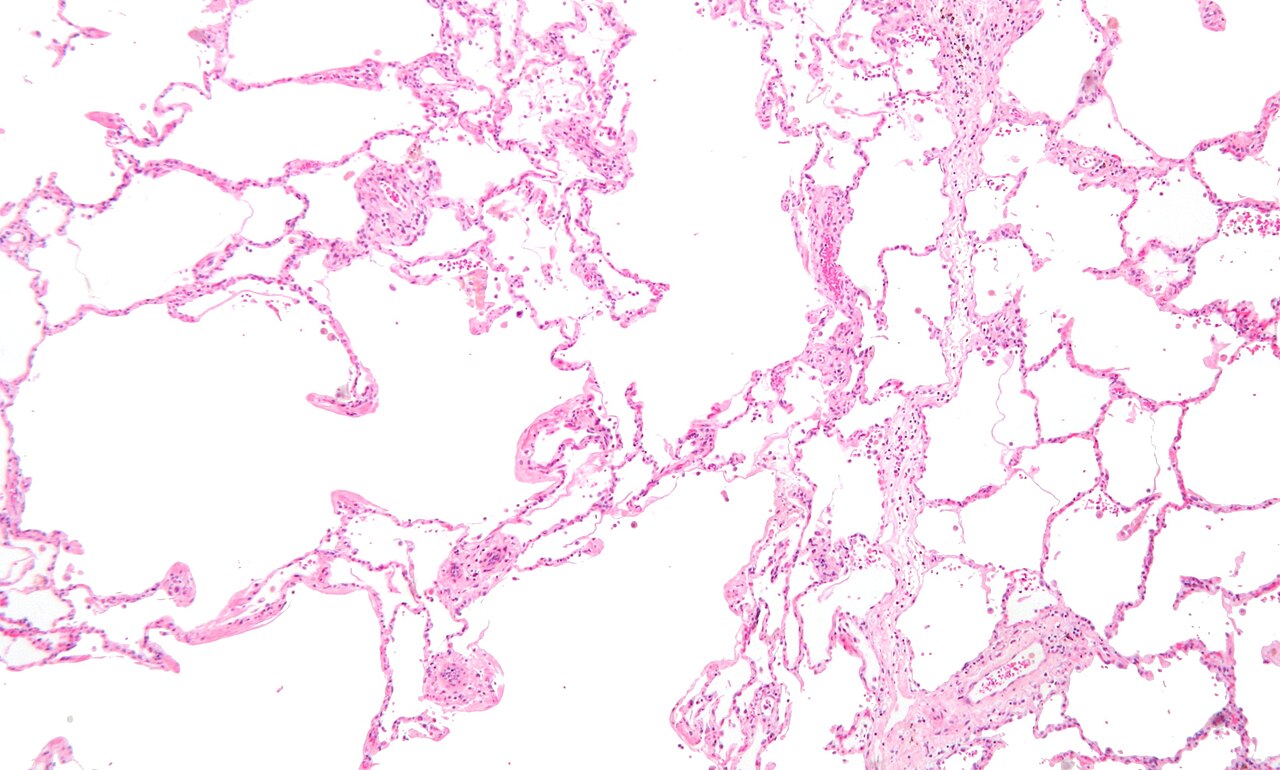


Anatomy and parts commonly affected
Diseases may involve any part of the respiratory tract. Commonly affected structures include:
- Trachea and large airways (bronchi)
- Smaller bronchioles and the alveoli where gas exchange occurs
- Pleurae and pleural cavity surrounding the lungs
- Muscles and nerves that drive breathing
Damage or obstruction in these regions can produce cough, breathlessness, chest pain, sputum production, wheeze, or reduced exercise tolerance. Some disorders primarily alter airflow, others affect oxygen transfer or circulation within the lungs.
Causes are diverse: infectious agents (viral, bacterial, fungal), inhaled irritants and pollutants, allergic or immune reactions, genetic defects, and vascular problems. Many presentations are mild and self‑limited, such as the common cold, while others become life‑threatening without treatment.
Examples of serious respiratory conditions include pulmonary vascular events like pulmonary embolism, obstructive and inflammatory disorders such as acute asthma, and malignancies like lung cancer. Each has distinct mechanisms, diagnostic approaches, and therapeutic priorities.
Diagnosis typically combines clinical assessment with imaging (chest radiography, CT), lung function tests (spirometry), laboratory studies, and sometimes bronchoscopy. Management ranges from supportive care and antibiotics or antiviral drugs to inhaled bronchodilators and steroids, surgical interventions, and long‑term rehabilitation. Prevention and public health measures — vaccination, tobacco control, workplace protections, and air quality improvements — are central to reducing the overall burden of respiratory disease worldwide.
Related articles
Author
AlegsaOnline.com Respiratory disease Leandro Alegsa
URL: https://en.alegsaonline.com/art/82307
Sources
- meshb.nlm.nih.gov : "MeSH Browser"
- sciencedirect.com : "Lung sound classification using cepstral-based statistical features"
- doi.org : 10.1016/j.compbiomed.2016.05.013
- pubmed.ncbi.nlm.nih.gov : 27286184