
Retinal migraine: causes, symptoms, diagnosis, and management
Retinal migraine is a rare type of migraine that causes transient monocular visual disturbance or vision loss, often accompanied by headache; diagnosis requires exclusion of other vascular and ocular conditions.
Retinal migraine refers to transient visual disturbance or partial to complete loss of vision in one eye that typically lasts minutes rather than hours and often occurs with migraine-type headache. The condition has been called ophthalmic or ocular migraine in some sources, but contemporary clinical practice emphasizes the term "retinal migraine" for events that are strictly monocular. Attacks most commonly last 10–20 minutes but by definition are under one hour. Symptoms may be frightening to patients and require careful assessment to exclude more serious causes of monocular vision loss.
Image gallery
4 Images
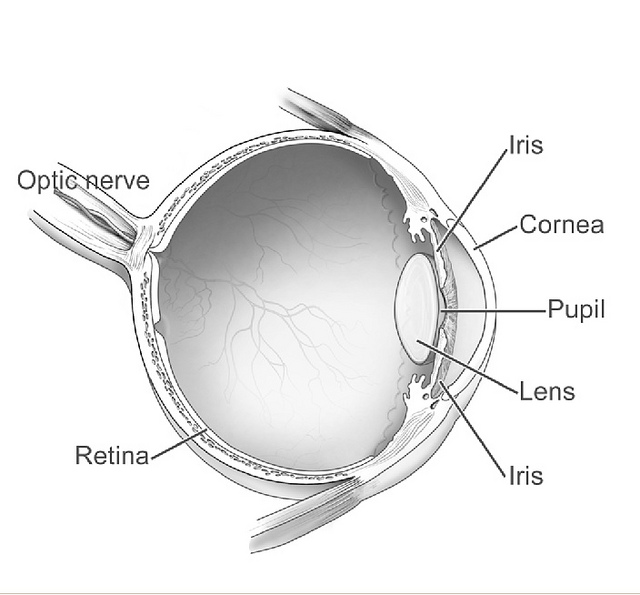

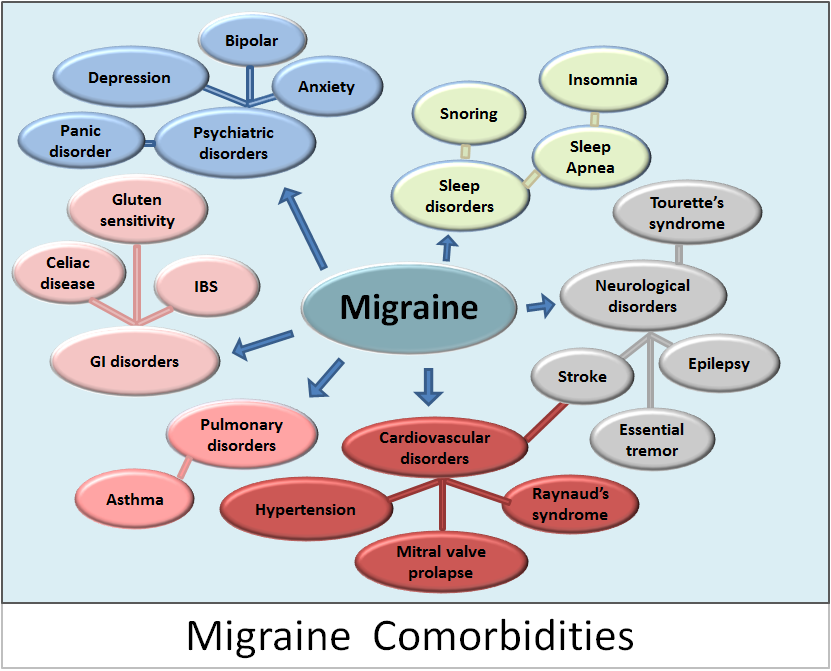
Features and clinical presentation
Typical features include sudden onset of visual symptoms in a single eye: a dark patch, flashing lights, shimmering scotoma, or transient blindness. These signs are often brief and reversible. A headache resembling migraine may follow, occur during, or be absent. Other associated features can include nausea, photophobia, or sensitivity to movement. Because the visual loss is monocular, retinal migraine should be distinguished from the more common migraine with visual aura (cortical aura), which usually produces binocular visual phenomena that affect the same part of the visual field in both eyes.
Underlying mechanisms and risk factors
The pathophysiology is not fully settled. Many clinicians believe episodes arise from transient vasospasm of retinal arterioles or other transient retinal ischemia. Vasospasm means the muscular walls of small blood vessels constrict temporarily, reducing blood flow. Other contributors under investigation include vascular dysregulation and hyperexcitability of neural pathways serving the retina. Typical triggers mirror those of other migraines: stress, bright light, hormonal changes, dehydration, certain medications, or tobacco. Relative predominance in women and onset in younger adults is reported in clinical series.
Diagnosis and differential considerations
Diagnosis relies on a careful history and examination and on excluding alternative causes of monocular visual loss. Important conditions to consider include:
- Transient ischemic attack (TIA) or amaurosis fugax from embolic disease
- Retinal artery occlusion or other retinal vascular disorders
- Optic neuropathies and inflammatory eye disease
- Cortical visual aura (usually binocular and migratory across the visual field)
An ophthalmologic exam, visual field testing, optical coherence tomography (OCT), fluorescein angiography, and sometimes neuroimaging or vascular studies are used to rule out structural or vascular causes. Because some retinal events may herald systemic vascular disease, evaluation of cardiovascular risk factors is often recommended. When in doubt, referral to an eye specialist or neurologist is appropriate.
Management and prognosis
Most retinal migraine attacks resolve without permanent damage, but repeated or prolonged ischemia can threaten vision, so prompt assessment is important. Acute measures are supportive: resting in a darkened room and addressing pain or nausea. Preventive steps focus on identifying and modifying triggers, controlling vascular risk factors (blood pressure, smoking cessation), and treating coexisting migraine disorders when present. Some clinicians avoid strongly vasoconstrictive migraine drugs (for example, ergotamines or triptans) if retinal vasospasm is suspected, and will consider alternative preventive medications or vascular-directed therapies on a case-by-case basis. Decisions about medication should be individualized and made with a specialist when necessary.
Distinguishing facts and further information
Because terminology varies, patients and clinicians should use precise descriptions: "monocular transient visual loss" or "retinal migraine" for one-eye events, and "migraine with visual aura" for binocular cortical phenomena. If you experience sudden monocular vision loss, especially for the first time or with vascular risk factors, seek urgent evaluation to exclude an embolic or ischemic event. For general information on headaches and migraine classifications see relevant clinical guidance.
Note: This article summarizes commonly accepted aspects of retinal migraine. It does not replace individualized medical advice; evaluation by an eye care professional or neurologist is recommended for diagnosis and treatment planning.
Related articles
Author
AlegsaOnline.com Retinal migraine: causes, symptoms, diagnosis, and management Leandro Alegsa
URL: https://en.alegsaonline.com/art/82346
Sources
- ncbi.nlm.nih.gov : PMID 1875972