
Renewable energy commercialisation in Australia
Overview of how renewable technologies have moved from research to market in Australia: major technologies, policy drivers, regional patterns, grid integration, challenges and outlook.
Overview
Commercialisation of renewable energy in Australia refers to the processes that move technologies from research and demonstration through to mature, competitive market deployment. This includes utilising natural resource endowments, developing supply chains, establishing project finance pathways and reforming market rules. The sector ranges from long‑established hydroelectricity to rapid household uptake of rooftop solar and growing utility-scale wind and solar farms. For comparative sector material see sector summaries and energy source reviews at energy sources reviews.
Image gallery
6 Images



Historical context and drivers
Commercialisation has been driven by several interacting forces: declining technology costs for wind and solar, explicit government policies and targets, consumer demand for lower‑emission electricity, and private investment seeking long‑term contracts. Early commercial projects were dominated by hydroelectric schemes, while the 21st century saw major growth in wind and distributed photovoltaic (PV) systems. Government incentives, auctions and regulatory changes have been prominent tools; for technology roadmaps consult technology studies and detailed policy evaluations at policy reviews.
Key technologies and their commercial characteristics
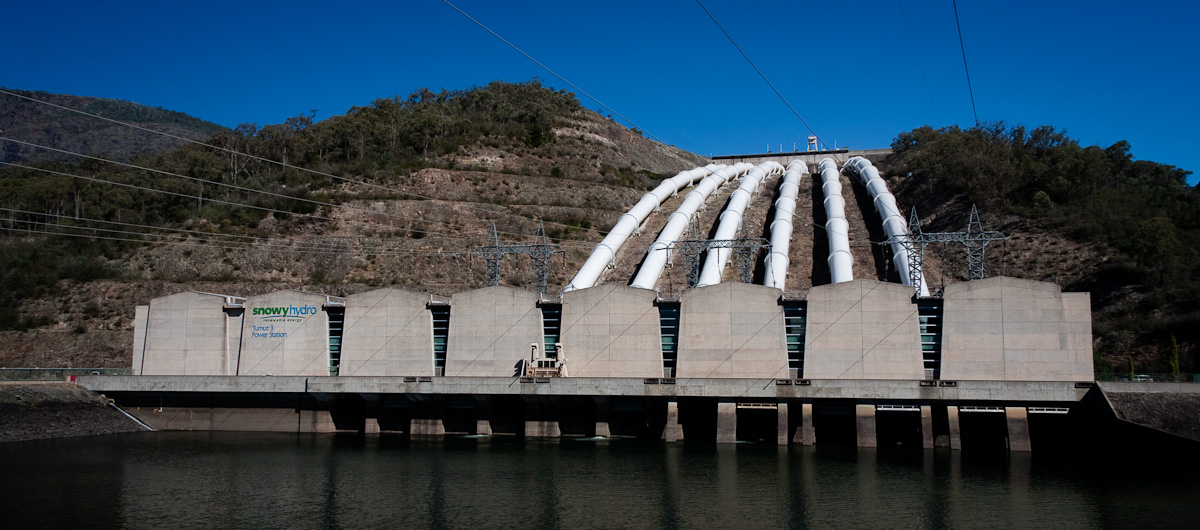
- Hydroelectricity — mature, provides seasonal storage and some system inertia where available.
- Onshore wind — competitive for utility supply in many regions, often procured through tenders or power‑purchase agreements.
- Solar photovoltaics (PV) — large utility plants plus high household and small commercial rooftop uptake; notable for rapid cost falls and distributed nature.
- Solar thermal and concentrated solar power — commercial in niche roles where thermal storage adds value.
- Bioenergy and biofuels — diverse feedstocks with local industrial or transport uses; commercial scale varies by region.
- Geothermal — long‑term potential with mostly early‑stage or demonstration projects.
Policy, markets and finance
Successful commercialisation typically requires predictable policy settings, access to grid connection, and mechanisms that value flexibility and firming. Market instruments include renewable energy targets, reverse auctions, feed‑in arrangements and corporate power purchase agreements. Investors and developers rely on market reports and consumer research such as market reports and public opinion evidence on energy choices at energy policy portals.
Regional patterns and examples
State and territory differences shape deployment: some states have become hubs for wind, others for rooftop solar or large solar farms. Battery storage and pumped hydro are increasingly paired with renewables to provide system services. Case studies and project lists are maintained in repositories like project registries and deployment trackers, which illustrate the range of commercial models in use.
Grid integration, storage and technical challenges
High shares of variable renewables require investment in transmission, system services, and storage. Commercial challenges include curtailment risk, grid congestion, revenue uncertainty for plant owners, and the cost and siting of long‑distance transmission. Technical guidance and reform proposals are set out in grid studies and market reform reports addressing integration and market design.
Outlook and considerations
Continued commercialisation depends on coordinated planning, stable long‑term signals to investors, and the development of flexibility options such as batteries, demand response and firming generation. Australia’s combination of high household PV uptake and expanding utility renewables presents both opportunities and operational challenges for national and state electricity systems. Ongoing public support, cost trajectories and innovative commercial contracts will shape how rapidly renewables displace fossil‑fuel generation and provide reliable energy services.
Related articles
Author
AlegsaOnline.com Renewable energy commercialisation in Australia Leandro Alegsa
URL: https://en.alegsaonline.com/art/82151
Sources
- smh.com.au : How solar ran out of puff
- orer.gov.au : Office of the Renewable Energy Regulator
- iea.org : Renewables in global energy supply: An IEA facts sheet
- gwec.net : Global wind energy markets continue to boom – 2006 another record year
- angus-reid.com : Australians Reject Nuclear Energy