
Renewable energy commercialization in the United States
Overview of U.S. commercialization for wind, solar, biofuels, geothermal and hydroelectric power: current status, key projects, drivers, policy role, challenges and distinctions.
The commercialization of renewable energy in the United States refers to the process by which technologies such as wind, solar, bioenergy, geothermal and hydropower move from research and demonstration into routine, market-driven deployment. Progress is uneven: some technologies are widely adopted and cost-competitive in many regions, while others remain in earlier stages of market development. For a broad inventory of technologies and deployment metrics see renewable energy technologies.
Image gallery
10 Images



Characteristics and main technologies
Commercial renewable technologies fall into two broad categories: utility-scale generation and distributed generation. Wind and utility-scale solar (photovoltaic and concentrating solar power) dominate recent installations, while hydropower and biomass provide dispatchable generation and biofuels supply a portion of transportation energy. Geothermal and small hydro niche projects contribute steady baseload power in favorable locations. These technologies differ in capital intensity, site requirements, operational characteristics and grid integration needs. For discussion of commercial pathways and market readiness see commercialization pathways.
History and notable projects
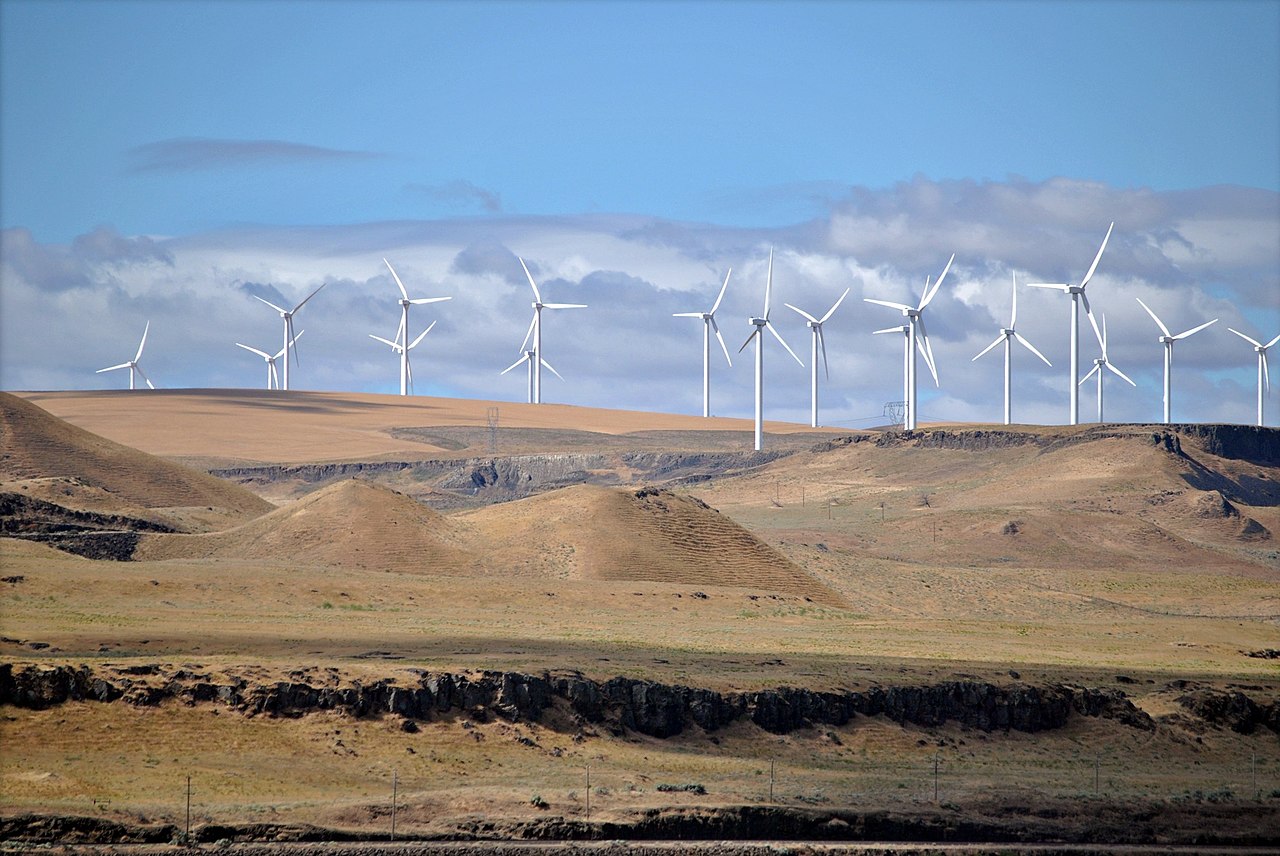
Wind power experienced rapid expansion in the United States in the late 20th and early 21st centuries; some states now host thousands of megawatts of installed capacity. Texas and California have been leading states for wind and solar development because of favorable wind resources, state policy, and transmission investments. Historic utility-scale solar thermal facilities in the Mojave Desert, known collectively as the SEGS plants, were among the first large commercial solar power installations. Other early projects such as Nevada Solar One and the Springerville photovoltaic station demonstrated utility-scale solar deployment and helped build industrial experience; see project summaries at Nevada Solar One.
Market drivers and policy
Commercialization has been driven by declining technology costs, economies of scale, manufacturing improvements and rising investor familiarity. Federal and state policy tools — including renewable portfolio standards, tax incentives and competitive procurement through power purchase agreements — have played major roles in accelerating market uptake. Many commercial projects depend on finance structures and long-term contracts to reach bankability. For resources on wind industry growth and market measures consult wind industry reports and capacity summaries at capacity data sources.
Uses, examples and practical importance
Renewables serve multiple sectors: electricity generation (wind, solar, hydro, geothermal), transportation fuels (ethanol and biodiesel blends) and heat or industrial applications (biomass and geothermal). Most gasoline vehicles tolerate low ethanol blends (commonly E10), while flex-fuel vehicles can accept much higher percentages. Utility-scale renewables supply increasing shares of grid energy in many regions and have become an important source of new capacity built by utilities, independent power producers and corporate buyers.
Challenges and distinctions
- Intermittency and integration: Variable resources such as wind and solar require grid flexibility, demand response, storage or complementary generation to maintain reliability.
- Transmission and siting: Many high-quality resource areas are distant from load centers, making transmission planning and permitting crucial.
- Market design: Wholesale market rules, interconnection processes and contract structures influence how quickly projects reach commercial operation.
- Scale and deployment: Utility-scale plants differ from distributed rooftop systems in finance, regulation and customer interaction.
Outlook and notable facts
Commercial deployment is likely to continue growing as costs fall, storage technologies mature and policies evolve to decarbonize electricity and transportation. Distinctive features of the U.S. market include strong state-level variation, an active private finance sector, and a mix of large utility projects and distributed installations. Historical projects such as SEGS, Nevada Solar One and early utility PV installations helped establish supply chains and technical standards that underpin ongoing commercialization efforts.
For readers seeking data, policy guidance or project case studies, the linked resources provide entry points: technology overviews, commercialization pathways, wind industry reports, capacity data and notable solar projects.
Questions and answers
Q: What is the current status of renewable energy commercialization in the United States?
A: The current status of renewable energy commercialization in the United States varies considerably between different renewable energy technologies, with some being commercialized at the present time.
Q: How much wind power capacity does the U.S. have?
A: The latest American Wind Energy Association figures show that installed U.S. wind power capacity now exceeds 11,600 MW which is enough to serve three million average households.
Q: What state has the most wind power development?
A: Texas is firmly established as the leader in wind power development, followed by California.
Q: What is the largest solar thermal power station in the U.S.?
A: The largest solar thermal power station in the U.S. is SEGS group of plants in the Mojave Desert with a total generating capacity of 354 MW, making it system the largest solar plant of any kind in the world.
Q: What is currently maximum ethanol fuel blend for cars on US roads?
A: Most cars on US roads today can run on blends of up to 10% ethanol fuel and motor vehicle manufacturers already produce vehicles designed to run on much higher ethanol blends.
Q: How much did new solar electric capacity increase from 2011-2012?
A: Solar Energy Industries Association and GTM Research found that new solar electric capacity increased by 76 percent from 2011-2012, raising US market share of world’s installations above 10 percent up from roughly 5 to 7 percent over last seven years
Related articles
Author
AlegsaOnline.com Renewable energy commercialization in the United States Leandro Alegsa
URL: https://en.alegsaonline.com/art/82152
Sources
- icsu.org : Discussion Paper by the Scientific and Technological Community for the 14th session of the United Nations Commission on Sustainable Development (CSD-14)
- renewableenergyaccess.com : Annual U.S. Wind Power Rankings Track Industry's Rapid Growth
- awea.org : Annual U.S. wind power rankings track industry's rapid growth
- fplenergy.com : SEGS I, II, III, IV, V, VI, VII, VIII & IX
- nytimes.com : Solar Trade Group Reports Surge in U.S. Installations