
Commercialization of Renewable Energy: Technologies, Markets and Deployment
A comprehensive overview of renewable energy commercialization: major technologies, market trends, business models, benefits, barriers, rural applications and policy drivers shaping adoption.
The commercialization of renewable energy describes the process by which technologies that convert naturally replenished resources into usable power become widely adopted, financed and integrated into energy systems. It spans mature options such as hydroelectricity and wind, widely deployed technologies like solar photovoltaics, and earlier-stage approaches such as some ocean energy devices. Commercialization is not only a technical task; it requires suitable markets, finance, regulation and supply chains so projects can move from demonstration to routine deployment.
Image gallery
10 Images



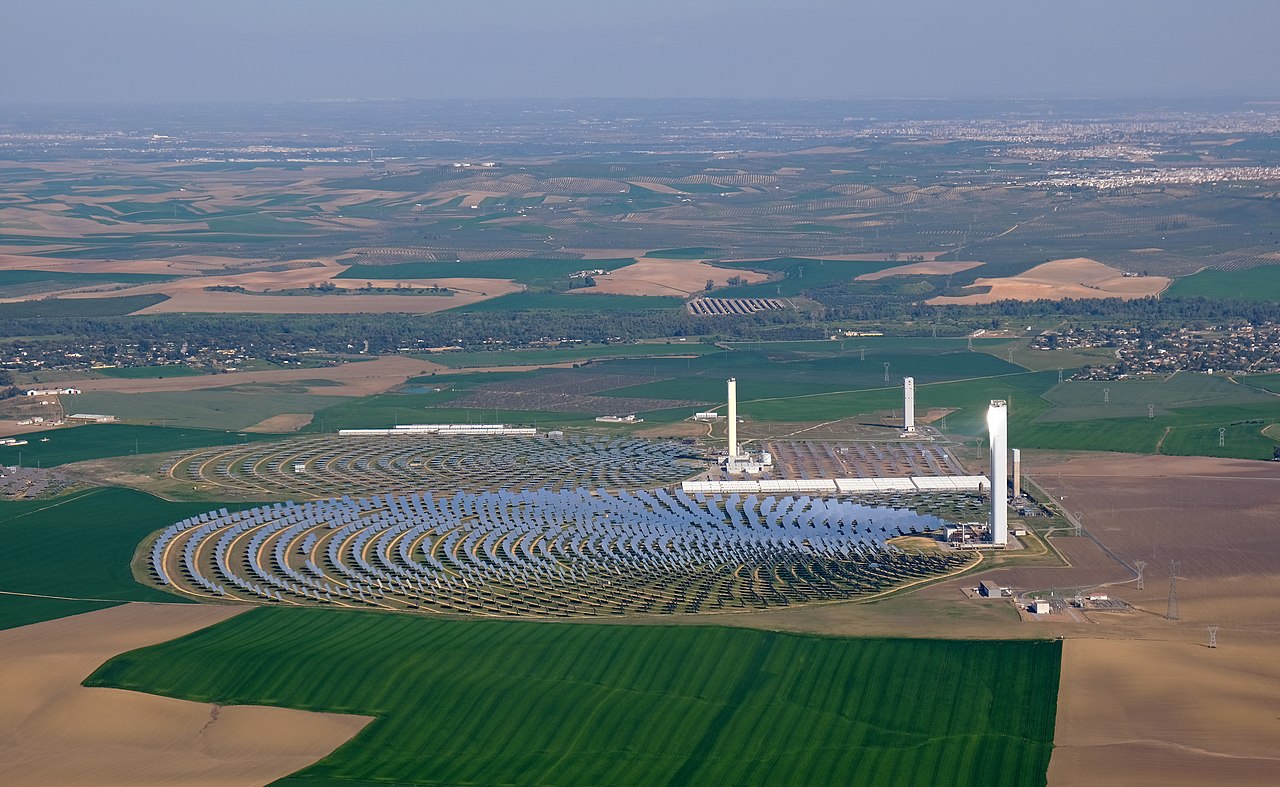


Technologies and stages of deployment
Different renewable technologies reach commercialization at different speeds. Solar photovoltaics and onshore wind are broadly established and deployed at utility scale as well as in distributed forms. Concentrating solar thermal and advanced geothermal are commercially available but regionally concentrated. Hydroelectricity remains a large, mature source where geography permits. Biomass systems and biofuels are commercial in many contexts but vary by feedstock and processing. Small-scale systems—such as household biogas—serve off-grid and rural needs. Typical technology links include: solar photovoltaics, wind power, hydroelectricity, biomass and household biogas.
Market trends, investment and scale
Over the past decade global markets for renewables have expanded rapidly. In the early 2010s, renewables provided roughly one-fifth of primary energy and a similar share of electricity in many assessments, while annual investment in renewable technologies reached into the hundreds of billions of dollars. Growth has been driven by falling technology costs—especially for solar PV and wind—policy incentives, and rising interest from institutional investors. National markets differ: some countries have high shares of renewables in their energy mix, while others are only beginning to deploy.
Commercialization pathways and business models
- Utility-scale deployment: large solar and wind farms sold under power purchase agreements (PPAs) or through auction mechanisms.
- Distributed generation: rooftop solar, small wind and community systems interacting with local distribution networks.
- Off-grid and mini-grid solutions: micro-hydro, solar home systems and biomass digesters for remote communities.
- Innovative financing: leasing, green bonds, public–private partnerships and crowd-funded community projects.
Policy instruments such as feed-in tariffs, renewable portfolio standards and competitive auctions have been central to scaling commercial deployment. Equally important are standardized contracts, transparent permitting and stable grid connection rules that reduce investor risk.
Commercialization also involves non-technical elements: supply chains for components, skilled installers, quality standards and after-sales service. These elements help transform early projects into routine, bankable investments that lower per-unit costs through economies of scale.
Rural applications, social impact and distinctions
Renewable technologies are particularly relevant for rural and remote settings where extending central grids is costly. Small solar PV systems provide electricity to millions of households worldwide; village-scale mini-grids powered by micro-hydro or biomass support local services and enterprises. Household-scale biogas digesters supply cooking fuel and fertilizer to tens of millions in some regions. It is important to distinguish between modern renewables—such as utility hydro, wind, solar and bioenergy processed for transport—and traditional biomass, which is often used inefficiently for cooking and heating and has associated health and environmental impacts.
Commercial deployment delivers clear benefits: improved energy security through distributed resources, reduced greenhouse gas emissions when replacing fossil fuels, job creation across manufacturing and services, and enhanced resilience where local energy sources reduce dependence on distant fuel supplies. At the same time, challenges remain: integrating variable renewables into grids requires storage, flexible generation and grid upgrades; project financing can be hindered by policy uncertainty; and social acceptance and land-use concerns must be managed.
Outlook and notable facts
Looking ahead, sustained cost declines, technological improvements in energy storage and smart grid controls, and scalable financing models are likely to broaden commercialization. International surveys consistently show public support for renewables, and many nations plan to expand their shares of renewable energy in coming decades. Continued progress will depend on policy stability, investment in transmission and distribution, and policies that enable equitable access for rural and low-income communities.
Questions and answers
Q: What are some examples of renewable energy technologies?
A: Some examples of renewable energy technologies include solar photovoltaics, solar thermal power plants, solar heating and cooling systems, wind power, hydroelectricity, geothermal power, biomass and ocean energy systems.
Q: How much did renewables contribute to global energy consumption in 2012 and 2013?
A: Renewables contributed 19 percent to global energy consumption in 2012 and 22 percent to global electricity generation in 2013.
Q: How much was invested globally in renewable technology in 2013?
A: In 2013, worldwide investments in renewable technologies amounted to more than US$214 billion.
Q: Are there any countries that have a high percentage of their energy supply coming from renewables?
A: At least 30 nations around the world already have renewable energy contributing more than 20 percent of their total energy supply.
Q: Are there any benefits associated with the deployment of renewable energies?
A: Yes - rapid deployment of renewable energies can result in significant benefits such as improved energy security, climate change mitigation and economic benefits.
Q: Is there public support for promoting renewables?
A: Yes - international public opinion surveys show strong support for promoting renewables such as solar power and wind power.
Related articles
Author
AlegsaOnline.com Commercialization of Renewable Energy: Technologies, Markets and Deployment Leandro Alegsa
URL: https://en.alegsaonline.com/art/82153
Sources
- gwec.net : GWEC, Global Wind Report Annual Market Update
- iea.org : Renewables in global energy supply: An IEA facts sheet
- ren21.net : "Renewables 2014 Global Status Report"
- iea.org : "Energy Technology Perspectives 2012"
- unep.org : "Global Trends in Sustainable Energy Investment 2007: Analysis of Trends and Issues in the Financing of Renewable Energy and Energy Efficiency in OECD and Developing Countries"
- unep.org : unep.org/ · webcitation.org
- new.ren21.net : "Renewables global futures report 2013"
- undp.org : Renewable energy technologies
- ren21.net : Renewables 2010 Global Status Report
- stanford.edu : "Providing all Global Energy with Wind, Water, and Solar Power, Part I: Technologies, Energy Resources, Quantities and Areas of Infrastructure, and Materials"
- cfr.org : "Public Opinion on Global Issues: Chapter 5b: World Opinion on Energy Security"
- worldpublicopinion.org : "Large Majorities in US and Europe Endorse Focus on Renewable Energy"