
Red snapper (Lutjanus campechanus)
A medium-large marine fish of the family Lutjanidae, valued by commercial and recreational fisheries across the western Atlantic and Gulf of Mexico; notable for its red color, culinary demand, and management challenges.
Overview
The red snapper (Lutjanus campechanus) is a species of marine fish in the snapper family (Lutjanidae). It is well known to anglers and seafood consumers for its distinctive reddish coloration, firm white flesh and importance to coastal fisheries. The species is native to the western Atlantic Ocean and associated shelf waters, and it plays a prominent ecological and economic role in warm temperate to subtropical regions.
Image gallery
10 Images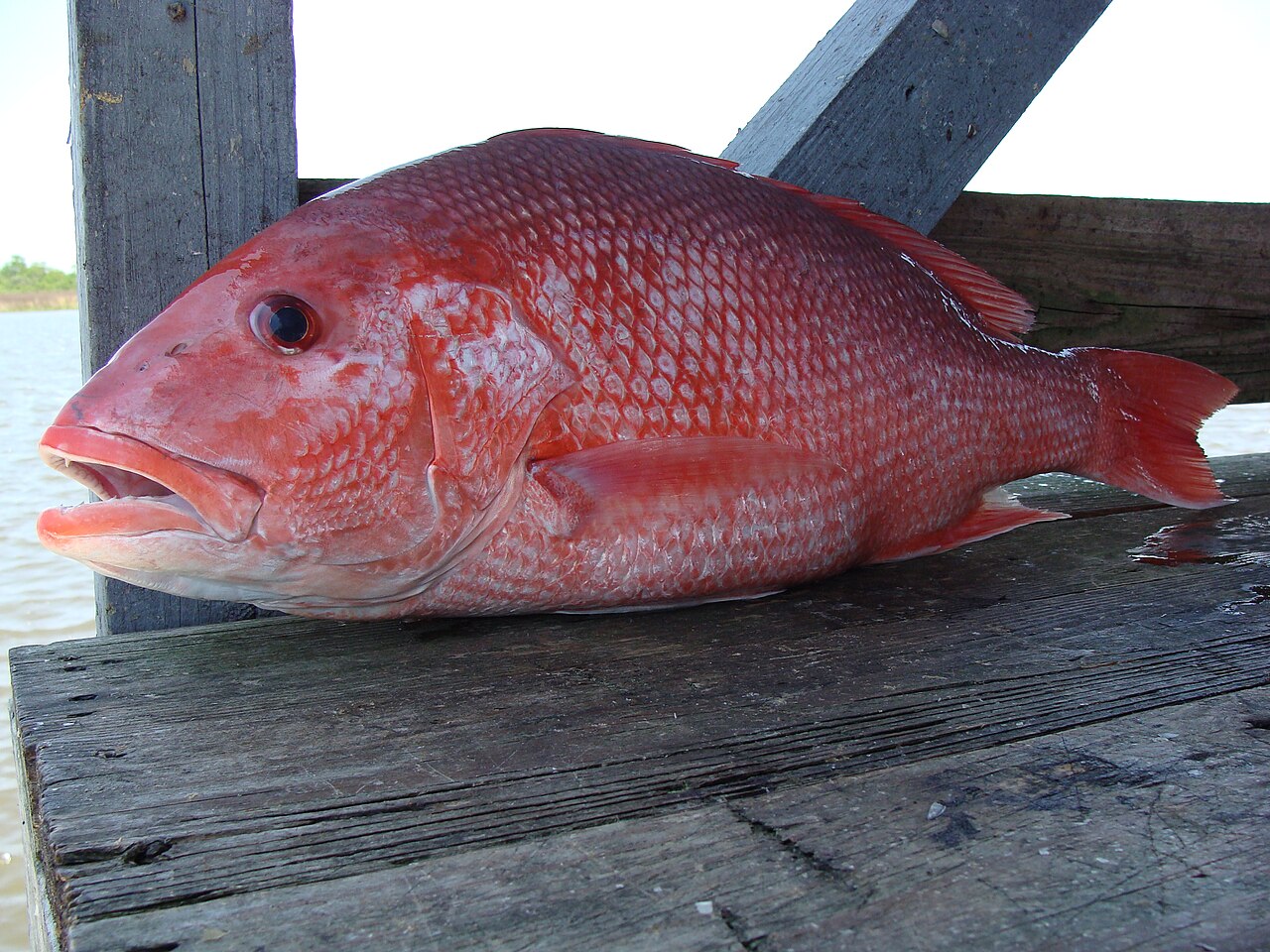




Identification and biology
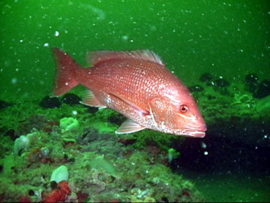
Red snapper are recognized by a uniformly reddish body, a sloping profile to the head, and a continuous dorsal fin. Young fish may show slightly different hues. As with other snappers, red snapper have a robust body and strong jaws adapted for a diet of smaller fish, crustaceans and cephalopods. They mature and reproduce in coastal waters and often use structured habitats such as reefs, rock ledges and artificial structures as shelter and hunting grounds.
Range and habitat
The species predominates in the Gulf of Mexico and along the southeastern United States coast. It is most commonly encountered in the Gulf of Mexico and broader western Atlantic region, and is a familiar target for recreational anglers and commercial fleets. Occasional records extend northward to states such as Massachusetts and Rhode Island, though such occurrences are relatively uncommon compared with its southern range. Red snapper prefer continental shelf depths and structured bottom habitat where they form loose aggregations.
Fisheries, market and confusion
Red snapper supports both commercial and recreational fisheries and is valued for table use. Because of high demand, fish sold as "red snapper" in markets and restaurants can sometimes be other, related species; this mislabeling has been reported and is a concern for consumers and managers. The species is also a popular game fish among anglers, noted for its fight and culinary quality; recreational interest is reflected in the designation of red snapper as a notable game fish.
Management and conservation
Populations have undergone fluctuations driven by fishing pressure and habitat factors. Fisheries managers use quotas, size limits, seasons and gear restrictions to balance harvest with long-term stock health. Habitat protection and monitoring programs also contribute to management objectives. Conservation measures aim to ensure sustainable populations so that ecological roles and economic benefits persist.
Practical notes and further reading
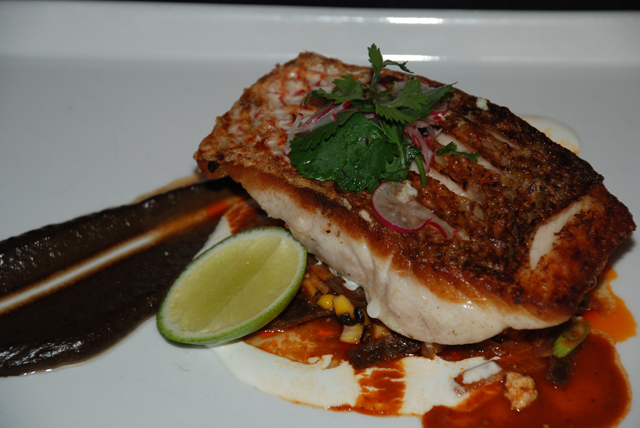
- Cooking: red snapper is versatile—suitable for grilling, baking, frying or steaming and often featured in regional cuisines.
- Identification caution: several snapper and drum species may be confused with or sold as red snapper; consumers should buy from reputable sources.
- Distribution references: for regional distribution and regulations consult local fishery authorities and resources such as state and federal guidance.
Related articles
Author
AlegsaOnline.com Red snapper (Lutjanus campechanus) Leandro Alegsa
URL: https://en.alegsaonline.com/art/81702