
Reform Judaism
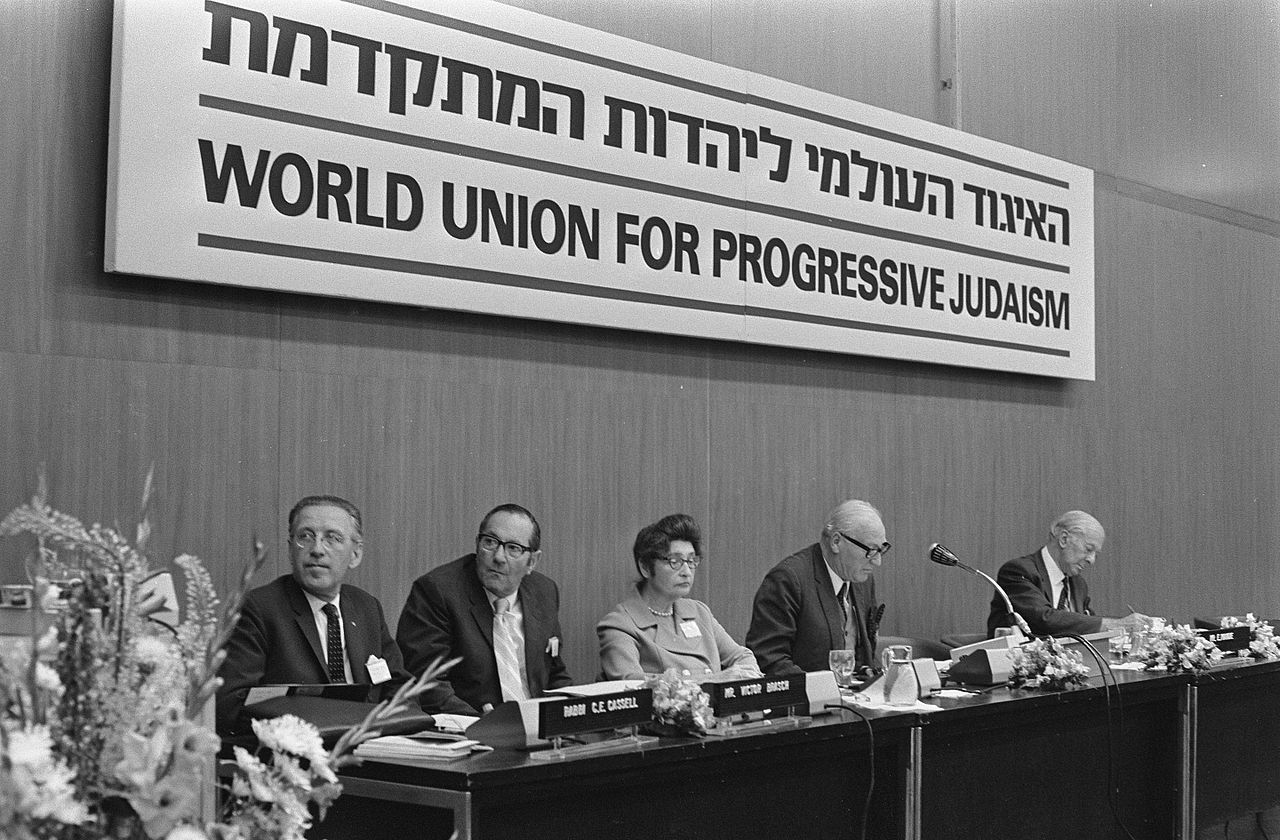
Reform Judaism (Progressive Judaism) is a liberal Jewish movement that began in 19th‑century Germany. It emphasizes ethical monotheism, individual autonomy in observance, updated liturgy, and social engagement.
Reform Judaism, also known as Progressive Judaism, is a major modern stream of Judaism that seeks to adapt religious life to contemporary values and knowledge. It places greater weight on ethical teaching and personal conscience than on binding ritual law, while retaining many elements of Jewish identity such as prayer, community, and lifecycle ceremonies.
Image gallery
10 Images





Characteristics
Common characteristics vary by region and congregation but often include the following emphases:
- Theological flexibility — openness to historical scholarship and diverse beliefs about scripture and revelation.
- Autonomy in practice — individuals and communities decide which rituals to observe, often encouraging informed choice.
- Liturgy and language — services may use the vernacular alongside Hebrew and incorporate modern music and responsive readings.
- Gender equality — full participation of women and LGBTQ+ people in ritual, clergy, and leadership roles.
- Ethical and social focus — an emphasis on social justice, education, and public engagement as expressions of Jewish values.
History and development
The movement emerged in 19th‑century Europe, particularly in Germany, as Jewish thinkers and rabbis sought to reconcile tradition with modern life. Early leaders promoted liturgical reform, educational renewal, and reinterpretation of legal obligations to reflect changing social conditions. From these beginnings the movement spread internationally, evolving different styles and institutions in places such as North America and Israel.
Ritual life and institutions
Reform congregations offer a range of services from traditional-style prayer to highly modernized worship. Synagogues typically provide education for children and adults, lifecycle ceremonies (birth, coming‑of‑age, marriage, mourning), and programs for community service. Conversion and membership policies are often inclusive, though standards vary by community and organization.
Distinctions and contemporary role
Reform Judaism differs from Conservative and Orthodox movements in its approach to Jewish law and authority: it treats halakha as a guide rather than an absolute code. It has been influential in shaping modern Jewish culture, promoting egalitarianism, and engaging in interfaith and civic initiatives. In Israel and worldwide, Reform communities continue to debate questions of identity, ritual, and communal responsibility.
Today the movement includes a spectrum of practice and belief, from those who preserve many traditional forms to those who emphasize innovation. Its ongoing challenges include balancing tradition with change, responding to demographic shifts, and collaborating with other Jewish movements while maintaining distinct principles.
Further reading and community resources are available through denominational and local synagogue organizations that reflect the diverse expressions of Reform Judaism.
Related articles
Author
AlegsaOnline.com Reform Judaism Leandro Alegsa
URL: https://en.alegsaonline.com/art/81807