
Cannabis: botany, uses, history and legal status
Overview of the Cannabis genus: botanical features, major species, chemical constituents, traditional and industrial uses, cultivation history, and contemporary legal and medical issues.
Overview
Cannabis is a genus of flowering plants best known for producing a range of chemical compounds that affect humans and for its long history of use as a source of fiber, food and medicine. Botanists most commonly recognize three taxa in conventional classifications: Cannabis sativa, Cannabis indica and Cannabis ruderalis, though taxonomic treatments vary and some authorities treat them as subspecies or varieties of a single species.
Image gallery
10 Images




Botanical characteristics and chemistry
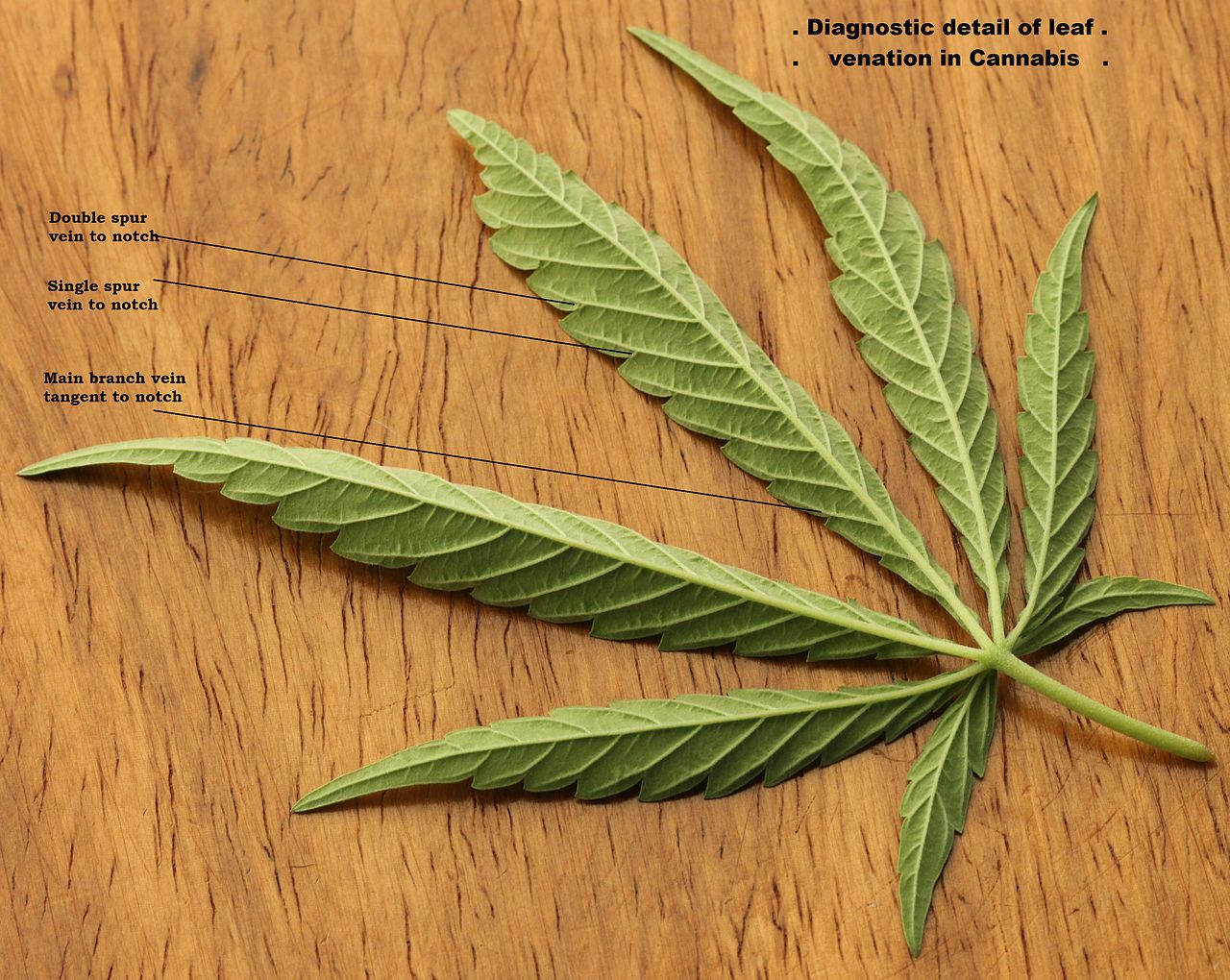
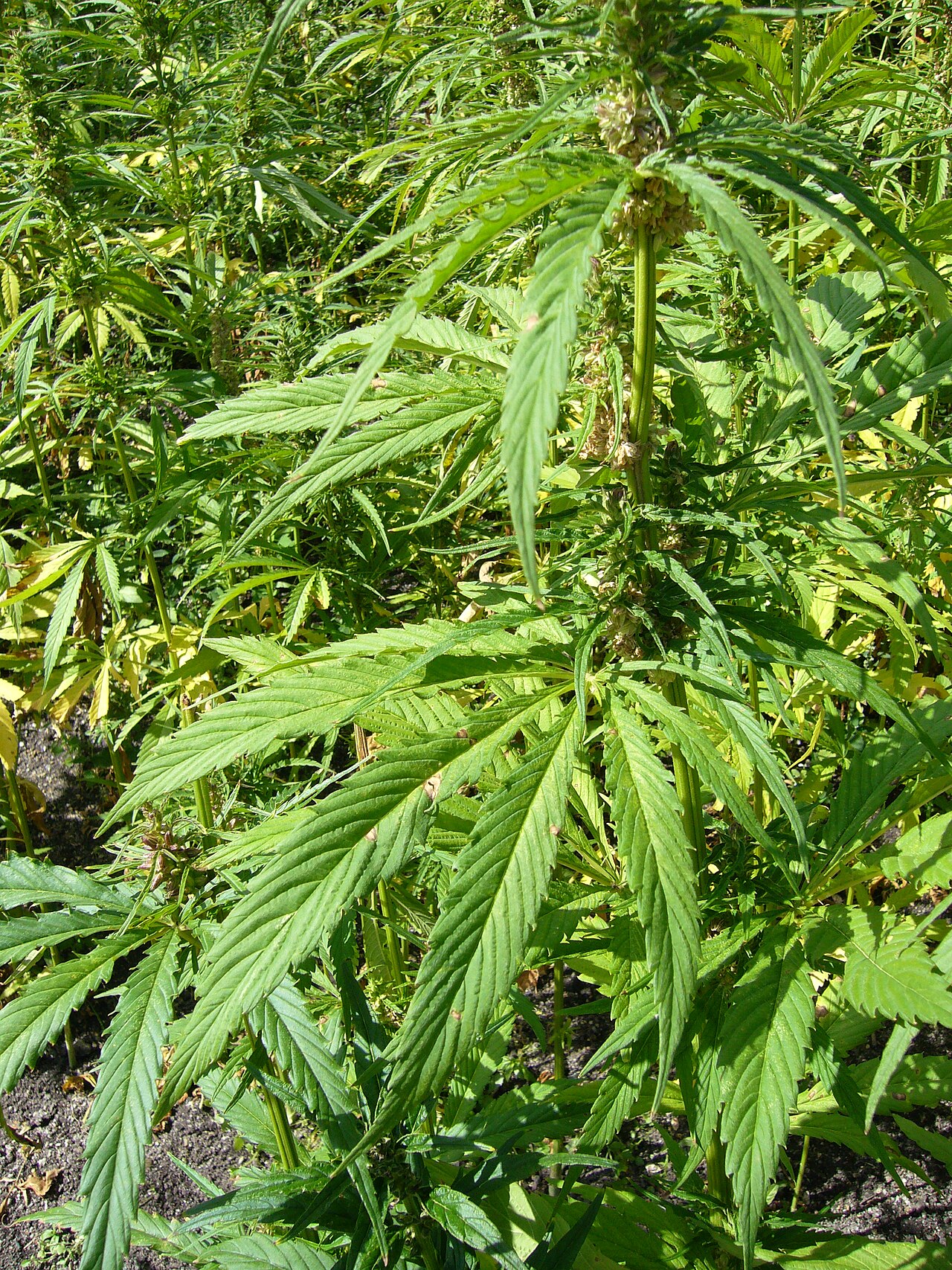
Cannabis is typically an annual herbaceous plant with palmate leaves and separate male and female flowers in most cultivated strains. Female inflorescences develop dense clusters of glandular trichomes that produce a resin rich in cannabinoids and aromatic terpenes. The best-known cannabinoid is THC (tetrahydrocannabinol), which is largely responsible for the plant's psychoactive effects. Other important cannabinoids include cannabidiol (CBD) and dozens of related compounds; their relative proportions differ between varieties and influence effects and potential therapeutic uses.
Traditional, industrial and culinary uses
Cannabis has been used in many societies for millennia. Different selections of the plant are cultivated for specific purposes:
- Fiber and textiles: low-THC cultivars used for hemp fiber produce strong bast fibers for rope, canvas and composite materials.
- Seeds and food oils: hemp seeds yield nutritious oil and protein-rich food products; see seeds and seed oil for culinary uses.
- Psychoactive and ritual use: flowers rich in THC are consumed by inhalation or ingestion and can produce euphoric or sedative effects.
- Pharmaceuticals and therapeutics: certain standardized preparations and cannabinoid medicines are used under medical supervision for specific conditions.
Origins, ecology and cultivation
Cannabis likely originated in temperate regions of Central and East Asia and spread with human migrations and trade. In nature and cultivation, the production of resinous cannabinoids is thought to have ecological roles such as defense against herbivores, insects and ultraviolet light; this protective function has been suggested by ecological studies of plant secondary metabolites (natural environment and protection). Selective breeding over centuries produced lines optimized for fiber, seed, or resin content, and modern breeding has created many hybrid varieties adapted to diverse climates.
History and legal status
During the 19th and 20th centuries, many countries introduced strict controls on cannabis and its extracts, and in many places it became categorized as an illegal drug (criminalization). Since the late 20th and early 21st centuries, regulatory approaches have diverged: some jurisdictions have decriminalized or legalized adult recreational use, others permit medical use under regulated frameworks, and enforcement priorities vary widely. A number of governments now authorize cannabinoid-based medicines or allow clinical use for specified conditions (medical use).
Distinctions and notable facts
Important distinctions to understand include the difference between hemp (low-THC cultivars grown for fiber and seed) and drug-type cannabis (high-THC cultivars grown for psychoactive uses). The taxonomy of cannabis remains debated among botanists, and the legal, social and scientific landscapes continue to evolve rapidly. In research and public policy, the plant is discussed across multiple domains: agriculture, medicine, law, public health and industry.
Further information
Readers seeking more detail can consult botanical references and authoritative public health or regulatory sources for up-to-date information on cultivation, safety, therapeutic indications and local laws. For introductions to specific topics mentioned here, follow links to resources on species and classification (species overview), cannabinoid chemistry (THC and cannabinoids), recreational effects (euphoria and effects), hemp industry uses (hemp products), nutritional uses of seeds (seed oil and food), ecology and origins (natural habitat), plant defense hypotheses (ecological role), historical regulation (legal history) and medical frameworks for cannabinoids (medical cannabis).
Questions and answers
Q: What is cannabis?
A: Cannabis is a genus of plant. It has three species, Cannabis sativa, Cannabis indica, and Cannabis ruderalis.
Q: What chemical or drug does the cannabis plant contain?
A: The cannabis plant contains a chemical or drug known as THC (short for tetra-hydro-cannabinol).
Q: How can consuming the flower of the cannabis plant affect someone?
A: Consuming the flower of the cannabis plant can make a person feel euphoric (very good) or sleepy.
Q: What other uses are there for the cannabis plant?
A: The cannabis plant is also used to make hemp fibre, and for its seeds and seed oil.
Q: What was THC's purpose in its natural environment?
A: In its natural environment, THC's purpose was to protect itself against being eaten.
Q: How have some countries reacted to marijuana use in recent years?
A: In the 21st century, some countries have made cannabis legal again while others allow it to be used as medicine when people have certain medical conditions.
Related articles
Author
AlegsaOnline.com Cannabis: botany, uses, history and legal status Leandro Alegsa
URL: https://en.alegsaonline.com/art/16573
Sources
- ncsl.org : "State Medical Marijuana Laws"
- governing.com : "State Marijuana Laws in 2018 Map"
- worldnews.nbcnews.com : "Uruguay becomes first country to legalize marijuana trade"
- bbc.co.uk : "Where in the world can you legally smoke cannabis?"
- cnn.com : "10 things to know about Colorado's recreational marijuana shops"
- nytimes.com : "Recreational Pot Is Officially Legal in California"
- worldcat.org : 0362-4331
- theguardian.com : "Canadian government aims to legalise marijuana by 1 July 2018"
- canada.ca : "Introduction of the Cannabis Act: questions and answers"
- brown.edu : "Health Education | Marijuana"
- fcda.org : "Medical Marijuana Keystone Document"
- associatedcontent.com : "How Marijuana Can Kill You: Why a Cannabis Overdose is Impossible"
- ncbi.nlm.nih.gov : "THE EFFECT OF CANNABIS COMPARED WITH ALCOHOL ON DRIVING"
- doi.org : 10.1080/10550490902786934
- worldcat.org : 1055-0496