
Rashidun Empire (Rashidun Caliphate)
The Rashidun Empire (632–661) was the first caliphate led by the four 'Rightly Guided' caliphs. It oversaw rapid territorial expansion, administrative change, and events that shaped early Islamic history.
Overview
The Rashidun Empire, also called the Rashidun Caliphate or the Islamic Empire, refers to the early polity led by the first four successors of the Prophet Muhammad. Contemporary and later sources use Arabic names for this stage of Islamic governance; one common Arabic term appears as الامبراطورية الاسلامية. The Rashidun period began after Muhammad's death in 632 and traditionally ends with the death of ʿAli following the civil wars of the mid-7th century, around 661.
Image gallery
10 Images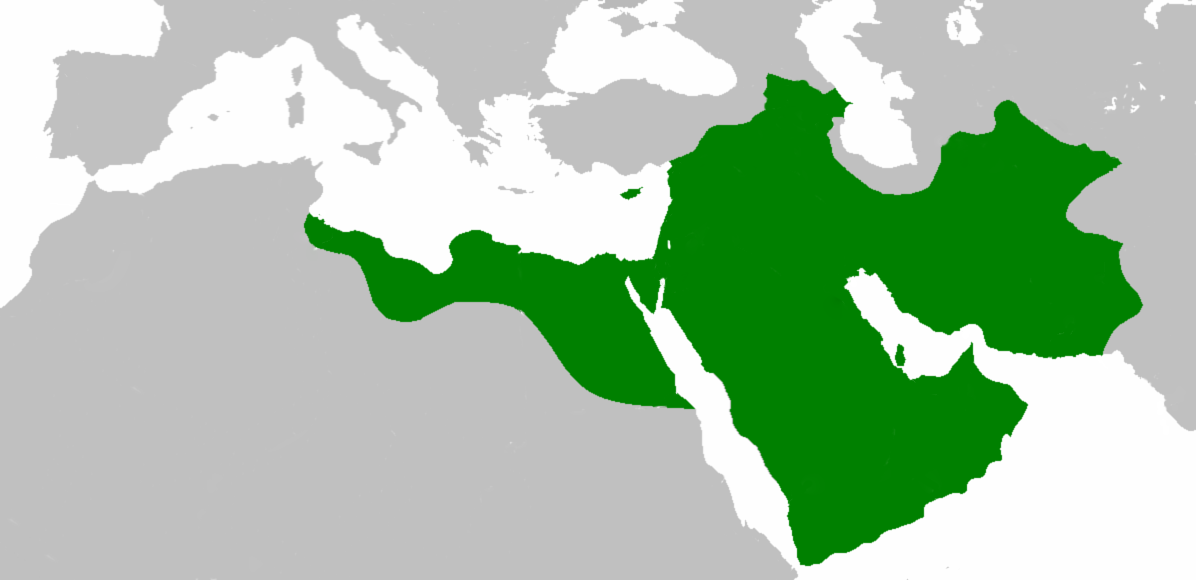



Territory and expansion
Under the leadership of the first caliphs—often called the "Rightly Guided" or Rashidun Caliphs—Arab forces moved beyond the Arabian Peninsula into neighboring territories. Campaigns reached large parts of the Byzantine Levant, Egypt, the Sassanian Iranian territories, and areas of North Africa and the Iranian highlands. The polity that emerged is sometimes referred to as an early Islamic empire or state (empire).
Organization and institutions
The Rashidun period saw the development of administrative practices and institutions that later caliphates inherited. Military leadership, taxation arrangements for non-Muslim subjects, and mechanisms for appointing provincial governors became more formalized. The caliphs combined religious authority with political and military rule and attempted to balance tribal interests and central governance. The personality and policies of each caliph—Abu Bakr, Umar, Uthman, and Ali—shaped administrative decisions and appointments.
Military and social factors
Rapid expansion resulted from a mixture of military effectiveness, motivated troops, and the relative exhaustion of neighboring empires. Conquered regions retained much of their local bureaucracy and local elites in many cases, while Arabic and Islamic law gradually spread. Lists of distinguishing features from this era include:
- Swift campaigns beyond Arabia that altered regional power balances.
- Adoption of existing administrative structures rather than wholesale replacement.
- Early formulations of policies toward non-Muslim communities.
Conflict, succession, and end of the period
The caliphate's final decades were marked by internal dispute and civil war, commonly referred to as the First Fitna. The assassination of Caliph Uthman and the contested leadership of Ali produced rivalries that ultimately opened the way for dynastic change. The traditional end date of the Rashidun era coincides with the end of Ali's caliphate in 661, after which the Umayyad dynasty consolidated power. Historians emphasize both continuity and rupture between the Rashidun system and later caliphates led by established dynasties.
Legacy and significance
The Rashidun period is significant for the initial geographic spread of Islam, the formation of early Islamic governance, and foundational debates about leadership and legitimacy. Its events shaped sectarian and political divisions that have had long-term cultural and religious consequences. For further reading and primary-source references see introductions to early Islamic history and specialized studies on the Rashidun caliphs and early conquests (Rashidun Caliphs). Additional contextual resources are available in general surveys of the era (chronological overview, political summaries, and Arabic-language sources).
Related articles
Author
AlegsaOnline.com Rashidun Empire (Rashidun Caliphate) Leandro Alegsa
URL: https://en.alegsaonline.com/art/81229