
Ravensbrück concentration camp: history, structure, and legacy
Ravensbrück was the main Nazi concentration camp for women, established in 1939 in northern Germany. This article summarizes its organization, prisoner population, abuses, liberation, and postwar remembrance.
Overview
Ravensbrück was established by the SS in 1939 near the town of Ravensbrück in northern Germany. Intended initially as a concentration camp for women, it expanded over the course of World War II into a complex of main and satellite camps. Administered by the Schutzstaffel (SS) under direction from SS leadership, the site became one of the principal places where the Nazi regime imprisoned, exploited, and persecuted women from across occupied Europe.
Image gallery
10 Images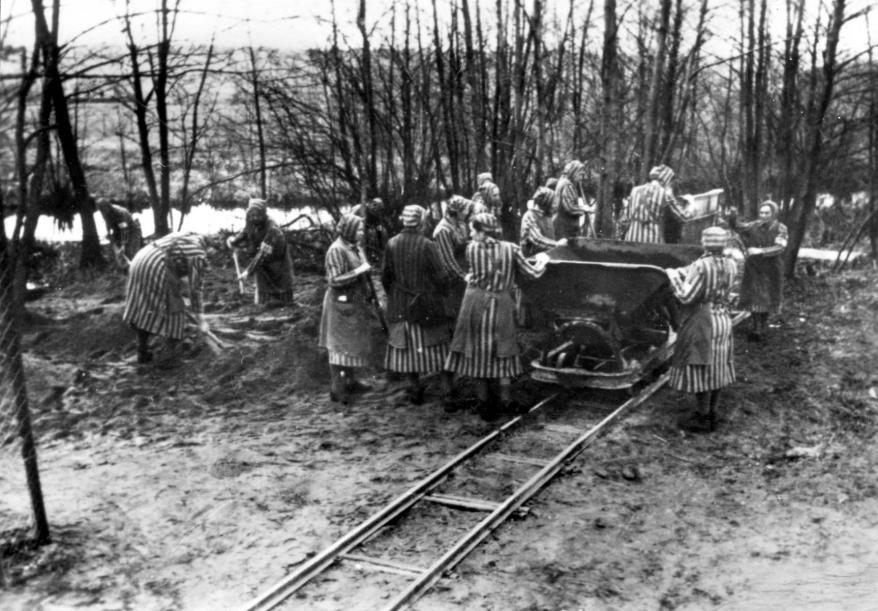



Establishment and organization
The decision to build a camp at Ravensbrück was taken in the late 1930s as part of the SS system of detention and forced labor. The original camp comprised prisoners' barracks, administrative buildings for SS staff, kitchens, a hospital block, and workshops. As the war progressed, the SS added numerous subcamps and external labor detachments to supply skilled and unskilled labor for war-related production and local industries. The camp was organized according to the hierarchical and punitive SS regime that governed all concentration camps.
Prisoners and conditions
Over the period from 1939 to 1945 tens of thousands of people were imprisoned at Ravensbrück. The inmate population included political prisoners, resistance members, Jewish women, Roma and Sinti, Polish and Soviet citizens, Jehovah’s Witnesses, and others targeted by Nazi policies. Conditions were marked by overcrowding, chronic food shortages, forced labor, contagious disease, and harsh discipline. Mortality rates were high, especially in years when epidemics and mass executions increased.
Medical abuse and human experiments
Ravensbrück is documented as a site of coercive medical procedures and experiments carried out on inmates without consent. Certain SS doctors and medical staff performed operations, tests and treatments that caused injury, permanent disability or death. These abuses formed part of the broader pattern of medical crimes across the Nazi camp system and were later considered in postwar investigations and trials.
Forced labor and the camp complex
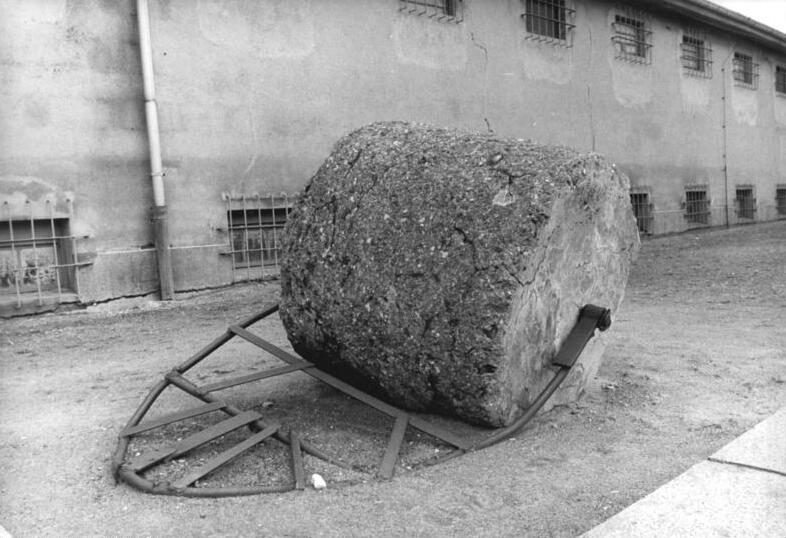
Work assignments in the camp ranged from agricultural labor and camp maintenance to production tasks in factories and workshops contracted to provide materials for the war effort. By the mid-1940s Ravensbrück encompassed many satellite camps where mostly women — and in some subcamps men — were deployed to manufacturing, construction and other forced-labor tasks under brutal and exhausting conditions.
Resistance, punishment and executions
Prisoners at Ravensbrück engaged in diverse forms of resistance, including clandestine mutual aid, the preservation of cultural and religious practices, and small acts of sabotage where possible. The SS responded to resistance with punishment regimes that included isolation, beatings, torture, deportation to gas chambers or shooting, and other forms of execution. The camp's penal systems aimed to enforce submission and extract labor until prisoners were no longer considered fit to work.
Liberation and postwar accountability
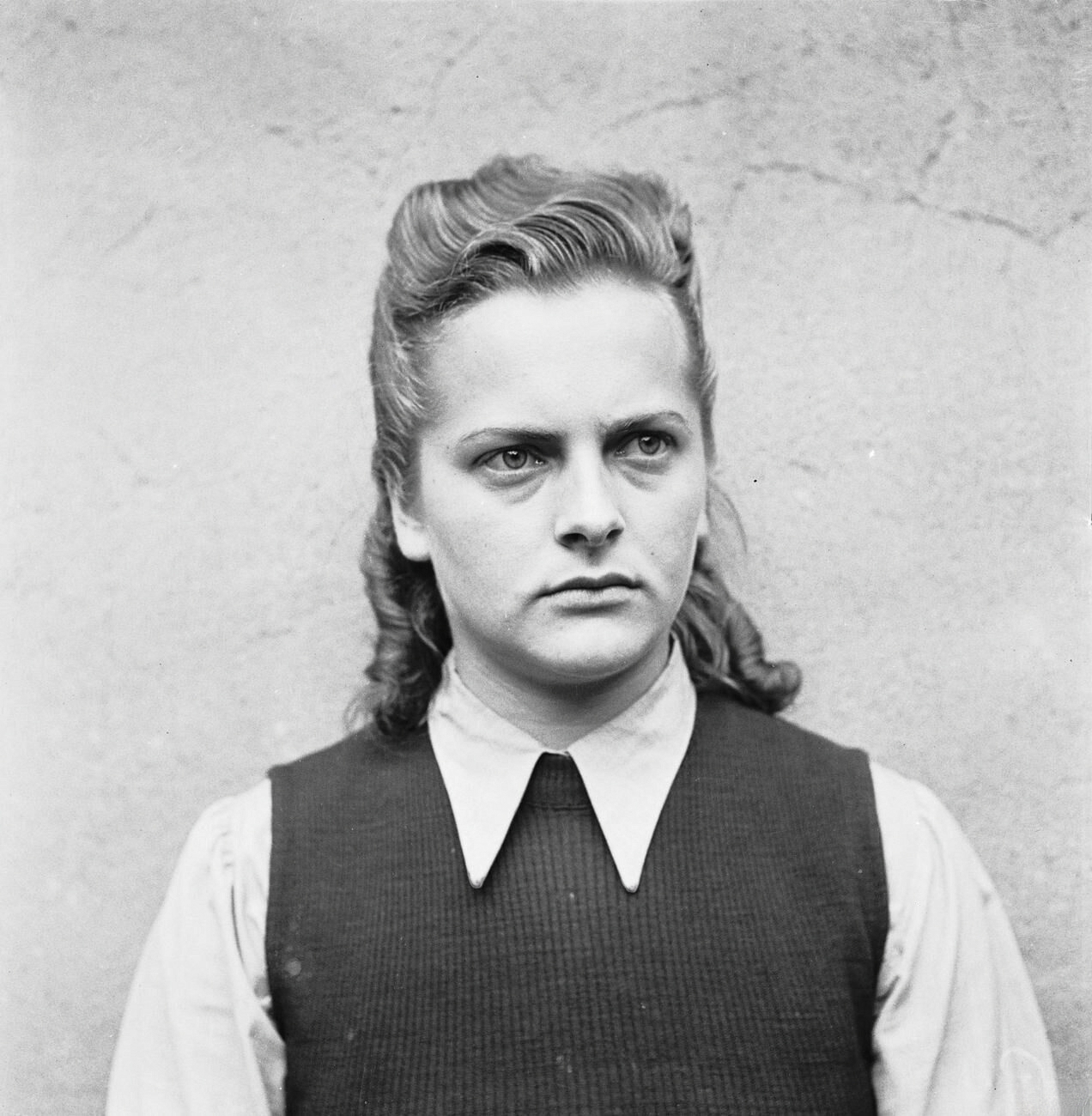
In 1945, as Allied forces advanced, the SS evacuated many prisoners on forced marches and transferred others to different camps. Survivors who remained with or returned to liberated areas provided testimony used in postwar trials. Several former camp personnel were prosecuted by Allied authorities; investigations and trials addressed individual criminal responsibility as well as the institutional role of the SS in crimes against humanity.
Memorialization and research
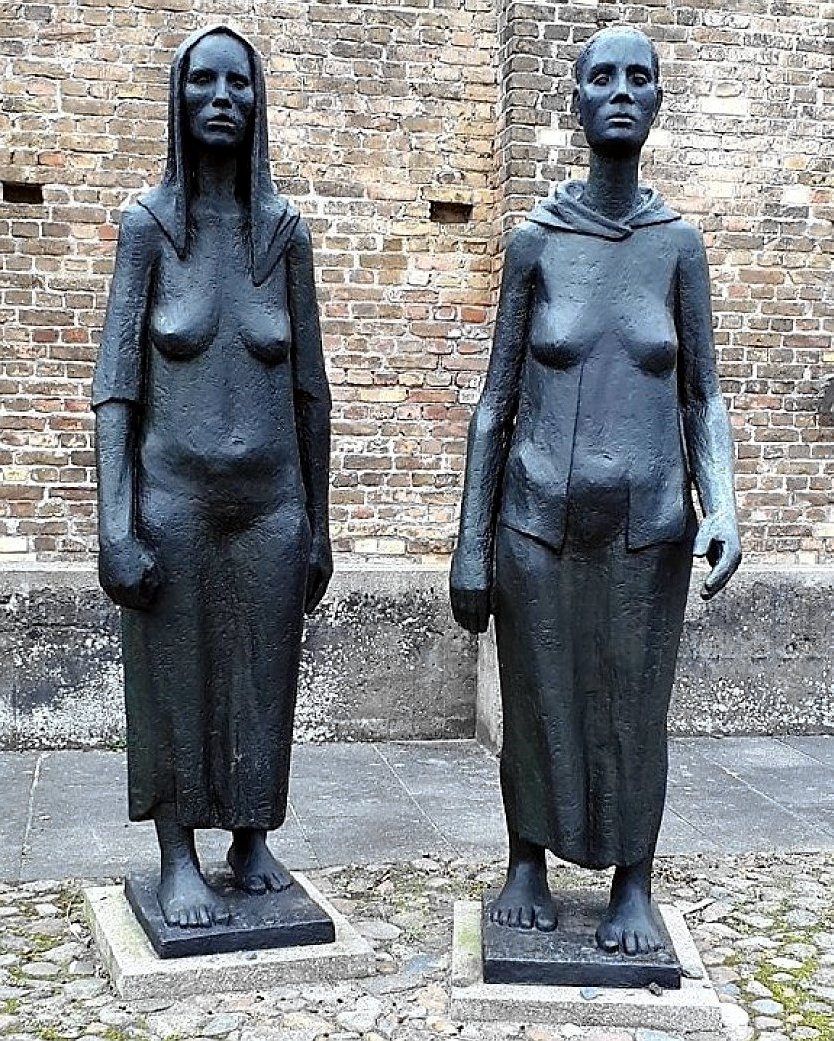
Since the end of the war the Ravensbrück site has been the focus of memorialization, scholarly research and survivor testimony. A memorial and museum now preserve documents, personal objects and archives while educational programs seek to document the experiences of inmates and explain the mechanisms of Nazism and genocide. Ongoing historical work continues to clarify the lives of victims, the organization of the camp system and the responsibilities of perpetrators.
Notable aspects and distinctions
- Principal women's camp: Ravensbrück was one of the largest facilities established primarily to imprison women, though men were also held in subcamps and late-war transfers.
- Complex network: Over time the site developed into a network of satellite camps tied to forced labor and wartime production needs.
- Legacy: The camp is central to studies of gendered persecution, forced labor, medical abuse and the processes of memory and justice after mass violence.
Further information
For additional authoritative materials, primary documents, survivor accounts and curatorial resources, consult memorial institutions and research centers: site memorial and museum, archival collections, scholarly overviews, legal and trial documentation, educational materials, and oral histories and testimonies.
This article summarizes established historical knowledge about Ravensbrück while avoiding contested or uncertain details. Readers seeking in-depth study should consult primary sources, peer-reviewed scholarship and dedicated memorial institutions for the most complete and carefully documented accounts.
Questions and answers
Q: Where was Ravensbrück concentration camp located?
A: Ravensbrück concentration camp was located in northern Germany, near the town of Ravensbrück.
Q: Who ran Ravensbrück concentration camp?
A: The Schutzstaffel (SS), led by Heinrich Himmler, ran Ravensbrück concentration camp.
Q: When did construction of the camp begin?
A: Construction of the camp began in November 1938 after Himmler gave the order to start building it.
Q: How many people were prisoners at Ravensbrück between 1939 and 1945?
A: About 153,000 people were prisoners at Ravensbrück between 1939 and 1945.
Q: When did it become a complex of many camps?
A: By 1944, Ravensbrück had become a complex (a group of many concentration camps).
Q: What year was it established as the biggest women's concentration camp in Nazi Germany?
A: By 1939, Ravensbrück had become established as the biggest women's concentration camp in Nazi Germany.
Related articles
Author
AlegsaOnline.com Ravensbrück concentration camp: history, structure, and legacy Leandro Alegsa
URL: https://en.alegsaonline.com/art/81311
Sources
- ravensbrueck.de : "Ravensbruck: Historical Overview and Map – Memorial"
- britannica.com : "Ravensbrück: Concentration Camp, Germany"
- fcit.usf.edu : "Glossary"
- ushmm.org : "Ravensbrück"
- theguardian.com : "If This is a Woman: Inside Ravensbrück, Hitler's Concentration Camp for Women by Sarah Helm – Review"
- chgs.umn.edu : "Women of Ravensbrück: Who Were They?"
- chgs.umn.edu : "Women of Ravensbrück: Life in the Barracks"
- chgs.umn.edu : "Women of Ravensbrück: Slave Labor"
- nytimes.com : "Daimler-Benz and its Nazi History: Mercedes in Peace and War (Book Review)"
- amazon.com : B017MYEXY0
- spiegel.de : "Nazi Sex Slaves: New Exhibition Documents Forced Prostitution in Concentration Camps"
- chgs.umn.edu : "Women of Ravensbrück: Murder"
- ushmm.org : "Ravensbrück: Liberation and Postwar Trials"
- ushmm.org : "Death Marches"
- chgs.umn.edu : "Women of Ravensbrück: Murder"