
Reception history of Jane Austen: emergence, scholarship, and popular culture
A concise history of how Jane Austen’s novels moved from modest, anonymous publication to central works of literary study and mass popular culture, including scholarly debate and adaptations.
Overview
The reception history of Jane Austen charts a long transformation: her novels began as modest, often anonymous books for a limited readership and are now fixtures of both academic study and popular entertainment. Works such as Pride and Prejudice and Emma have inspired sustained critical attention and a global fan culture that includes scholarly societies, book clubs, and creative reinterpretations (fan culture). That change did not happen quickly; it unfolded over more than a century and continues to evolve with each new edition, adaptation, and mode of commentary.
Image gallery
10 Images


Early and nineteenth-century reception
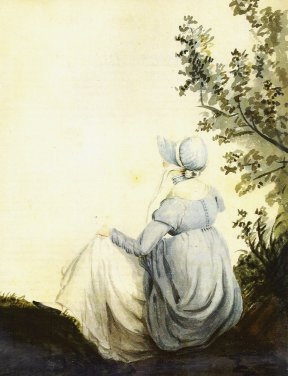
When Austen first published, she did so without attaching her name to the books, a common practice for many women writers of the period. Her novels circulated primarily among acquaintances and the reading public of genteel society. Members of the aristocracy and the leisured classes often appreciated her novels as tasteful entertainments, even if contemporary reviewers gave only a handful of enthusiastic notices and some dismissive assessments. Critics of the time frequently described her portrayals of social life as fashionable and refined rather than revolutionary. By mid-century a more discerning literary audience—those learned in literature—recognized formal skill and moral subtlety in her prose, and appreciation among such readers helped preserve and circulate her work (learned readers).
A turning point came after her death, when family memoirs and new editions made personal details about the author available and readable as part of the public image. The publication of a family memoir in 1870 presented Austen to a broader Victorian audience as a gently domestic figure and encouraged reprints that broadened her readership. As popular admiration grew, self-described devotees called themselves Janeites, claiming both critical insight and emotional attachment to her characters.
Twentieth-century scholarly reassessment
The twentieth century brought a more systematic academic engagement. Editors and critics compiled authoritative texts and annotated editions; the first scholarly collected works signaled that Austen deserved serious study on par with canonical authors. As universities expanded English departments, commentary diversified: readers examined Austen’s craftsmanship, social context, and narrative strategies. Critical approaches multiplied—some focused on aesthetic accomplishment (artistic readings), others on the ideological implications of marriage, gender, and class (ideological criticism), while historians situated her plots within the political and economic realities of Regency Britain (historical perspectives). Academic institutions and curricula provided a platform for rigorous debate, and university-based study reshaped her reputation (university contexts).
By mid‑century Austen was regularly treated as a major English novelist, and critical discourse split into distinct tendencies: specialized literary criticism that emphasized technique and historical context, and popular or cultural commentary that emphasized reader response and mass appeal. This division can be summarized as contrasting approaches to criticism—those privileging high‑cultural analysis and those tracking popular reception.
Popular culture, adaptations, and contemporary significance
In the late twentieth and early twenty‑first centuries the reach of Austen’s fiction grew through new media. Television serializations, period dramas, and contemporary retellings brought her plots and characters to broad audiences, while films introduced visual and interpretive choices that shaped popular perceptions (television, film). The cultural momentum generated a commercial ecosystem: annotated editions, sequels and prequels, pastiches, and a thriving fan industry that extends to travel to historic sites, themed events, and online communities.
Distinctive phases and ongoing debates
- Initial publication and private readership: anonymous volumes read within upper and middle ranks of society.
- Victorian reshaping: family memoirs and reprints that constructed a particular authorial persona and widened readership.
- Academic canonization: twentieth‑century editors and critics established texts and methods for scholarly study.
- Mass popularization and adaptation: films, television, and derivative works created a multifaceted popular culture around Austen.
Scholars and readers still debate how to balance aesthetic, historical, and political readings. Some emphasize Austen’s formal innovations and narrative irony; others foreground class, gender, and empire. Both strands contribute to a multifaceted reception history in which close academic study and popular enthusiasm continually inform one another. For further entry points into these conversations, consult modern editions, critical anthologies, and the many societies and online forums that document how Austen’s reputation has been made and remade over time.
Questions and answers
Q: What was the reception of Jane Austen's works during her lifetime?
A: During her lifetime, Austen's books were thought fashionable by members of high society but they received only a few good reviews.
Q: When did people begin to recognize Jane Austen as a great English novelist?
A: It was not until the 1940s that Austen was widely accepted as a "great English novelist".
Q: How did scholars study Jane Austen in the twentieth century?
A: In the twentieth century, scholars studied her works artistically, ideologically, and historically.
Q: What caused criticism of Austen to split into high culture and popular culture trends?
A: The growth of university English departments in the first half of the twentieth century caused criticism of Austen to split into high culture and popular culture trends.
Q: Who published Memoir of Jane Austen?
A: Her nephew published Memoir of Jane Austen.
Q: What type of industry has been supported by fans in the early twenty-first century?
A: In the early twenty-first century, fans have supported an industry of printed sequels and prequels as well as adaptations for television and film.
Related articles
Author
AlegsaOnline.com Reception history of Jane Austen: emergence, scholarship, and popular culture Leandro Alegsa
URL: https://en.alegsaonline.com/art/81549