
Gilbert Baker — Designer of the Rainbow Flag
Gilbert Baker (1951–2017) was an American artist and activist who created the rainbow flag, a widely recognized emblem of LGBT pride and social movements worldwide.
Gilbert Baker (June 2, 1951 – March 31, 2017) was an openly gay American artist and activist whose best-known contribution is the creation of the rainbow flag, now a pervasive emblem of LGBT pride. Baker combined visual design, craft, and political purpose to produce a simple but powerful symbol that has been adopted in protests, parades, memorials and public art. For a concise overview of his life and work see this biography.
Image gallery
3 Images

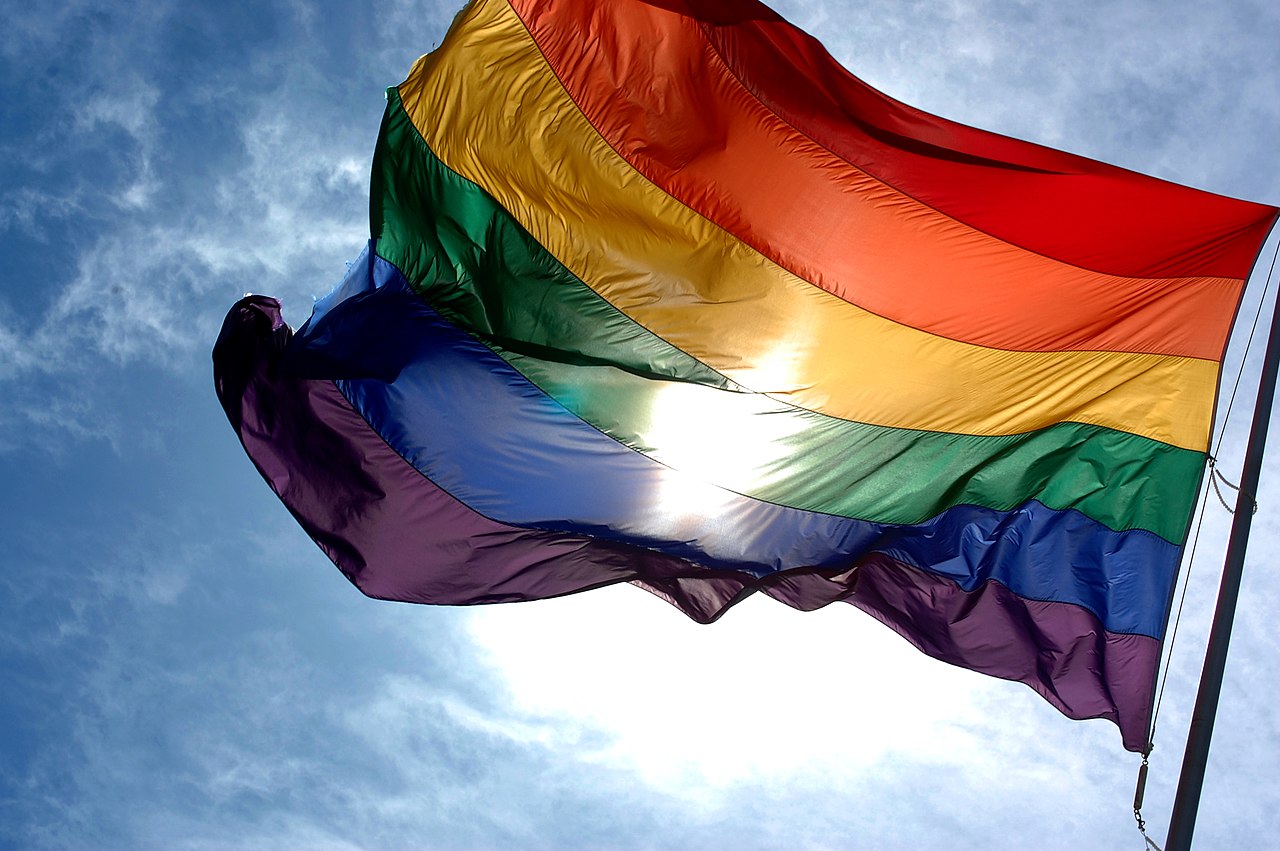
Design, colors and symbolism
Baker conceived the flag as a banner of visibility and solidarity. The original design included eight colored stripes, each chosen for a particular meaning and aesthetic balance. Commonly cited associations for the original eight colors are:
- Hot pink — sex
- Red — life
- Orange — healing
- Yellow — sunlight
- Green — nature
- Turquoise — magic or art
- Indigo (or royal blue) — serenity
- Violet — spirit
Practical production issues — including fabric availability and the desire for a balanced, reproducible design — led to later versions with six stripes (removing hot pink and combining turquoise and indigo into royal blue). These variants remain widely recognized and are often used interchangeably.
Origin and early adoption
Baker designed the flag in 1978 in San Francisco after being asked to create a visible symbol for gay pride and community pride events. The flag was first displayed at public gatherings and quickly gained traction as an identifying symbol for LGBT activism and community cohesion. His work intersected with broader civil rights efforts and local politics; Baker was active in public events and cooperative projects that sought greater visibility and equality for lesbian, gay, bisexual and transgender people and other marginalized groups. Readers can find more about his activism and civil rights work via this civil rights overview and this profile on his art practice at artist pages.
Within a short time the banner moved beyond local use and was reproduced globally. It appeared at marches, demonstrations, cultural festivals, and institutional events, and it became a standard emblem for Pride celebrations. The flag’s simple geometry and bold color palette made it adaptable for banners, pins, murals and digital media, increasing its reach in the late 20th and early 21st centuries. For context on its role in LGBT rights movements see this summary of LGBT rights.
Over the decades the rainbow flag has been remixed and extended to represent specific communities, intersections of identity, and political causes. Its visibility has also made it a target for debate about commercialization, appropriation and the balance between political protest and mainstream recognition.
Baker spent much of his later life promoting the flag and creating large-scale banners. He lived and worked in several American cities and maintained relationships with community organizers and artists. He died in his sleep at his home in New York City on March 31, 2017, at age 65; details about his passing note complications following a stroke he had experienced in prior years. Contemporary remembrances and obituaries record both his creative legacy and his role in public life. See more about his place of residence and later years here and information on his health challenges here.
Today the rainbow flag remains one of the most widely recognized symbols of modern civil rights movements: an artistic design that has become a global signifier of pride, solidarity and the ongoing struggle for equality.
Related articles
Author
AlegsaOnline.com Gilbert Baker — Designer of the Rainbow Flag Leandro Alegsa
URL: https://en.alegsaonline.com/art/119795