
Mesoamerica: geography, cultures, and legacy
Mesoamerica is a cultural and geographic region stretching from central Mexico to Costa Rica, home to diverse pre-Columbian societies noted for agriculture, cities, writing, and enduring cultural influence.
Overview
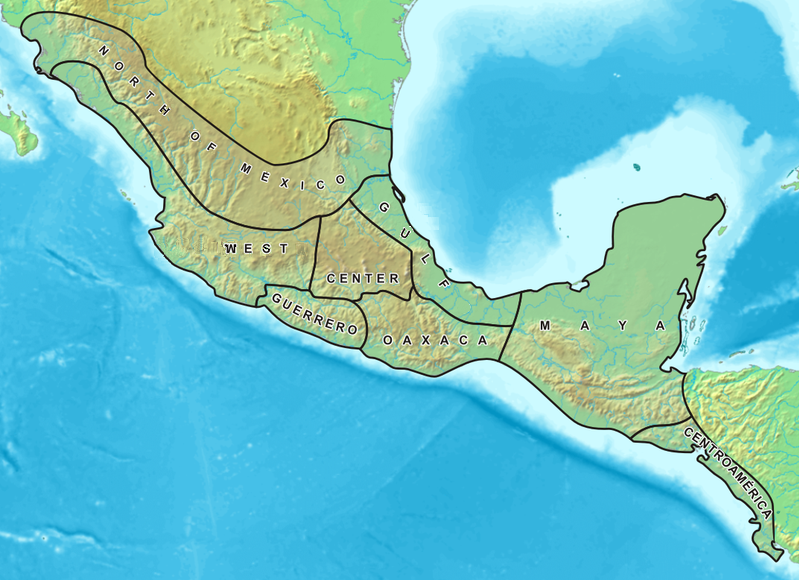
Mesoamerica is a distinct geographical region and cultural area that extends roughly from the Tropic of Cancer in central Mexico southward toward Costa Rica. The term is most often used to describe the indigenous peoples and shared traditions that developed in this region before and during early contact with Europeans. These societies created complex urban centers, ritual systems, and economic networks across varied environments from highlands to lowland rainforests.
Image gallery
10 Images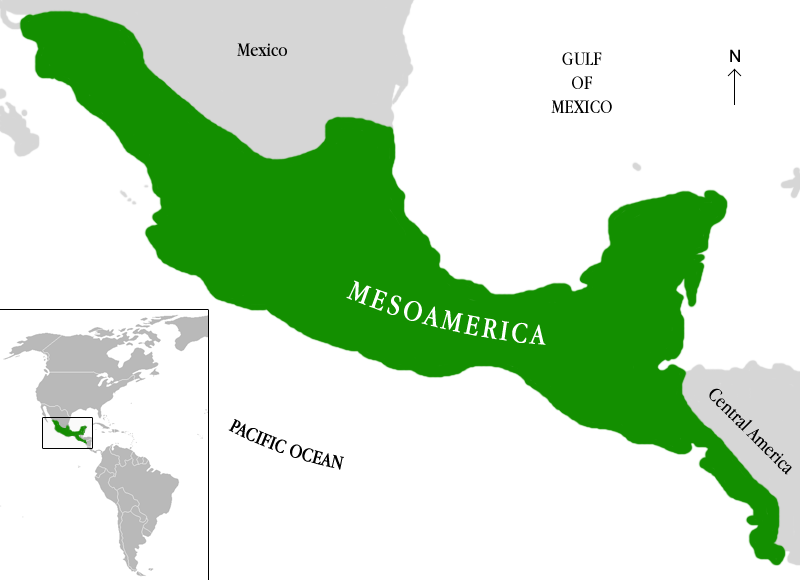






Shared characteristics
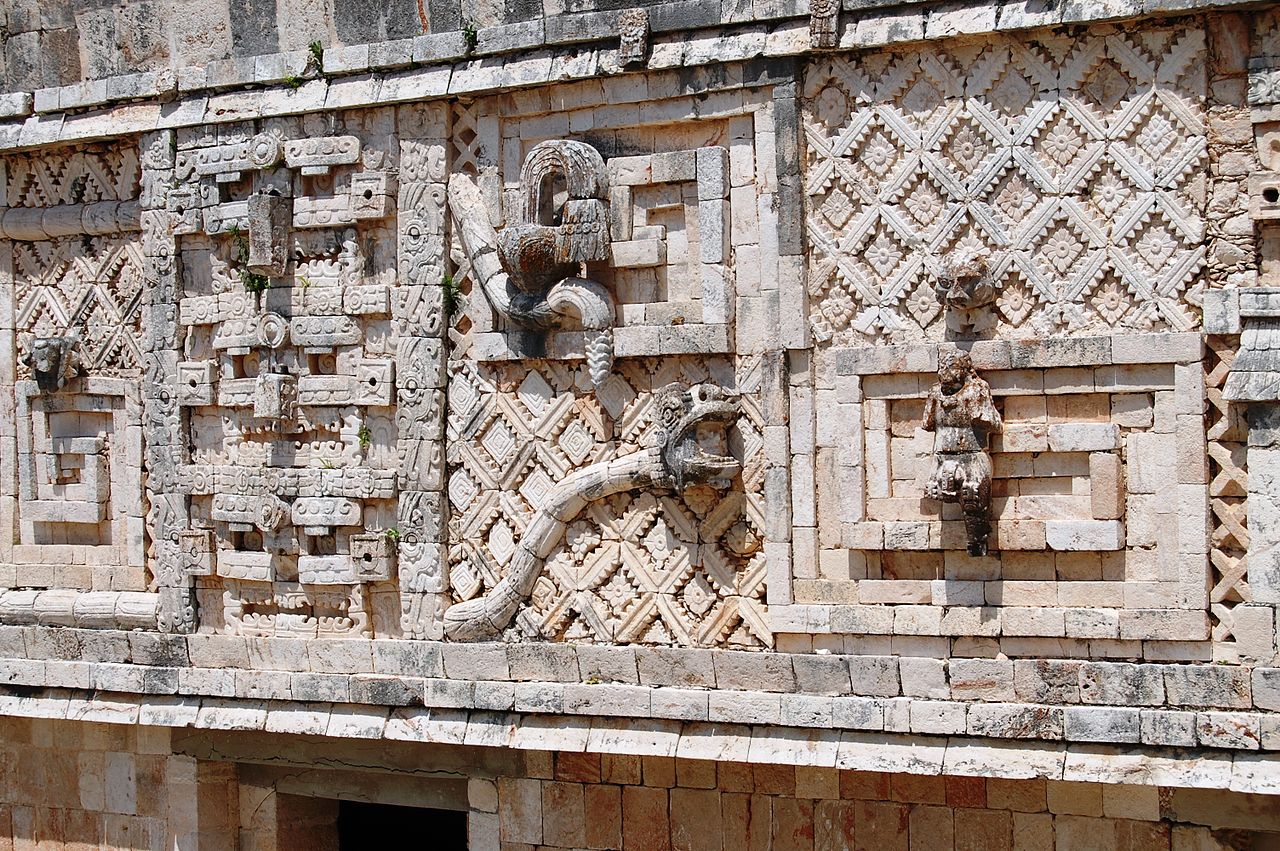
Although Mesoamerican communities were politically independent and diverse, scholars identify a set of recurring cultural features. These include intensive agriculture based on domesticated maize, constructed ceremonial plazas and pyramids, ritual ballgames, sophisticated calendrical systems, and, in some areas, written and iconographic traditions.
- Staple crops: Maize, beans, squash and chili formed the agricultural foundation.
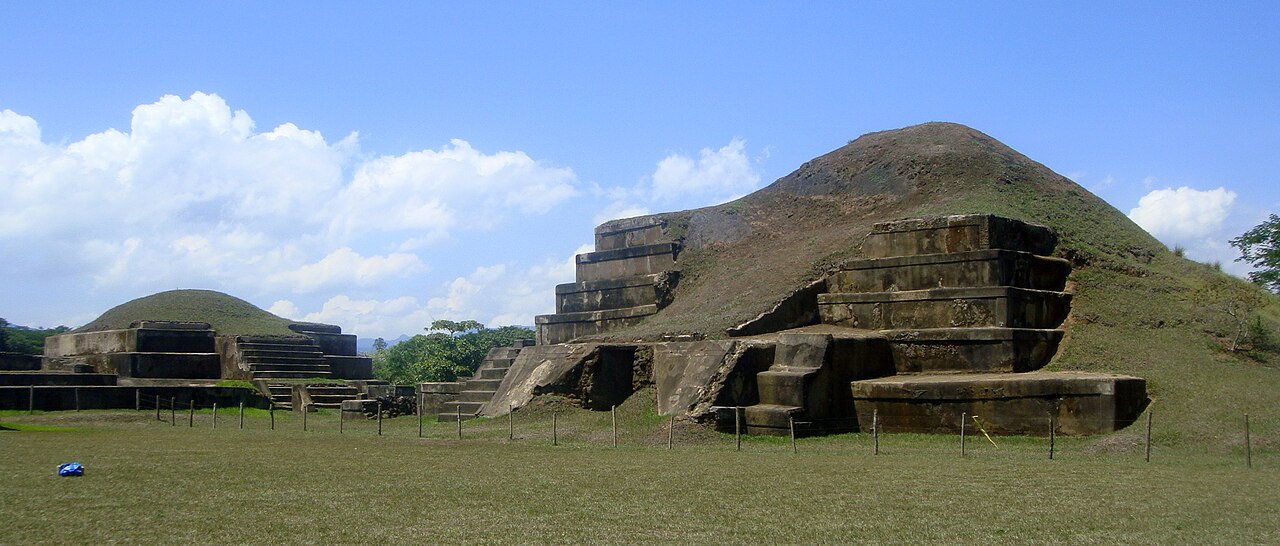
- Monumental architecture: Temple-pyramids, plazas and palaces marked major centers.
- Knowledge systems: Astronomy, calendrics and, in places, hieroglyphic writing.
Major cultures and regional variation
Several well-known cultural traditions arose within Mesoamerica; each developed distinctive art, political structures and technologies. Examples include:
- Olmec: often regarded as an early formative influence in the Gulf lowlands.
- Maya: noted for its cities, inscriptions and long-term intellectual traditions in the south.
- Mexica/Aztec and city-states of central Mexico: famous for large urban centers and imperial organization.
- Zapotec, Mixtec, Toltec and others: regional powers with rich artistic legacies.
Agriculture, economy and cultural practices
Intensive cultivation, irrigation and terracing supported dense populations and specialist crafts. Long-distance trade circulated goods such as obsidian, textiles and luxury items; among these, the cacao tree was native to parts of the region and played social, ritual, and economic roles. Craft production, tribute systems and market exchange underpinned many political entities.
Contact, continuity and modern significance
European arrival in the 16th century and the subsequent Spanish campaigns transformed Mesoamerican societies, causing political collapse in some areas and continuity in others. Descendants of pre-Columbian peoples still live throughout the region, speaking indigenous languages and maintaining cultural practices. Archaeology and heritage studies continue to recover and interpret the material record of Mesoamerica, illuminating both ancient innovations and their enduring influence on culture, cuisine and identity.
For further general information see regional overviews and syntheses provided by major cultural and academic resources: native peoples and cultures.
Related articles
Author
AlegsaOnline.com Mesoamerica: geography, cultures, and legacy Leandro Alegsa
URL: https://en.alegsaonline.com/art/64081