
Rohingya people
The Rohingya are a primarily Muslim, Indo‑Aryan ethnic group from Rakhine (Arakan) in Myanmar. Many are stateless and have faced repeated persecution and large‑scale displacement since 2017.
Overview
The Rohingya are an ethnolinguistic community traditionally concentrated in Rakhine State (historically called Arakan) in western Myanmar. They are predominantly Muslim and speak Rohingya, an Indo‑Aryan language closely related to dialects of southeastern Bengal. The community is transnational: substantial Rohingya populations and refugees also live in neighboring Bangladesh and other countries.
Image gallery
10 Images


Characteristics and society
Rohingya society has historically been rural and coastal, with livelihoods centered on small‑scale agriculture, fishing and trade. Their culture blends South Asian and local Arakanese influences in music, dress and religious practice. Important characteristics include:
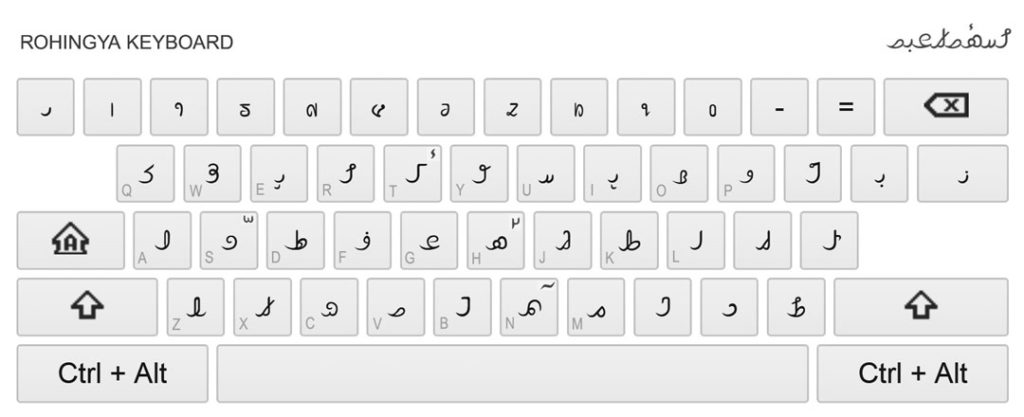
- Language: Rohingya, written in multiple scripts and used in oral tradition and local media.
- Religion: Sunni Islam is the dominant faith, with local customs shaped by regional history.
- Settlement pattern: Concentrated in northern and central parts of Rakhine State, with diasporic communities in Bangladesh and beyond.
History, legal status and persecution
The modern Rohingya identity emerged over centuries of migration, trade and intermarriage in the eastern Bay of Bengal. Under British colonial rule and in the decades after independence, patterns of migration and citizenship were contested. Myanmar’s citizenship framework has long excluded many Rohingya, and successive state policies have restricted movement, marriage and access to services. These restrictions have left large numbers effectively stateless or with limited rights.
Communal tensions and cycles of violence have affected the Rohingya for decades. A major escalation in 2017 followed attacks by an armed group and a harsh military campaign. Hundreds of thousands fled across the border to Bangladesh in a mass exodus that drew international concern and allegations of ethnic cleansing or genocide. Relief agencies and governments continue to respond to humanitarian needs while debates about repatriation, justice and citizenship persist. For background on migration and identity issues see ethnic and linguistic sources and regional context in Myanmar and Bangladesh.
Displacement and humanitarian situation
Many Rohingya who fled violence live in large, often overcrowded refugee settlements in southeastern Bangladesh and other countries. These communities face challenges including limited legal status, restricted movement, health and education shortfalls, and dependence on humanitarian aid. International organizations and states are involved in relief operations and negotiations about voluntary, safe and dignified returns; detailed information on migration and refugee assistance can be found via Bangladesh resources and refugee reports such as refugee updates.
Discussion of whether the 2017 campaign constitutes genocide has featured in international forums and legal processes; for reporting and advocacy perspectives see coverage linked at related analyses. The Rohingya situation remains a complex mix of historical grievances, legal exclusion and urgent humanitarian need, with long‑term solutions tied to citizenship, reconciliation and regional cooperation.
Related articles
Author
AlegsaOnline.com Rohingya people Leandro Alegsa
URL: https://en.alegsaonline.com/art/83747