
Rapa Nui people: history, culture, and contemporary issues
Indigenous Polynesian inhabitants of Rapa Nui (Easter Island): origins, language, moai monuments, environment, economy, and modern political and cultural challenges including land rights and tourism.
The Rapa Nui are the indigenous Polynesian people of Rapa Nui, commonly known as Easter Island. Recognized as the easternmost extant branch of Polynesian culture, the Rapa Nui developed a distinctive island society noted for its monumental carved figures (moai), specialised stone platforms (ahu), and a rich set of oral traditions. Today most Rapa Nui live in the village of Hanga Roa on the sheltered west coast and in communities on mainland Chile; many maintain a hybrid identity that blends ancestral customs with Spanish-language influences.
Image gallery
9 Images



Origins and historical development
Polynesian navigators settled the island in prehistory, bringing crops, dogs and the material and ritual culture of the larger Polynesian world. Over generations a densely-interconnected society adapted to a small, isolated volcanic island by developing gardening techniques, water management and stone-working skills. The impressive series of moai and ahu record long-term social investment in ancestor veneration and territorial rites. European contact from the 18th century onward — and especially the late 19th century incorporation of the island into the Chilean state — introduced disease, labour raids and new political arrangements that drastically affected population, social order and land tenure.
Language and social life
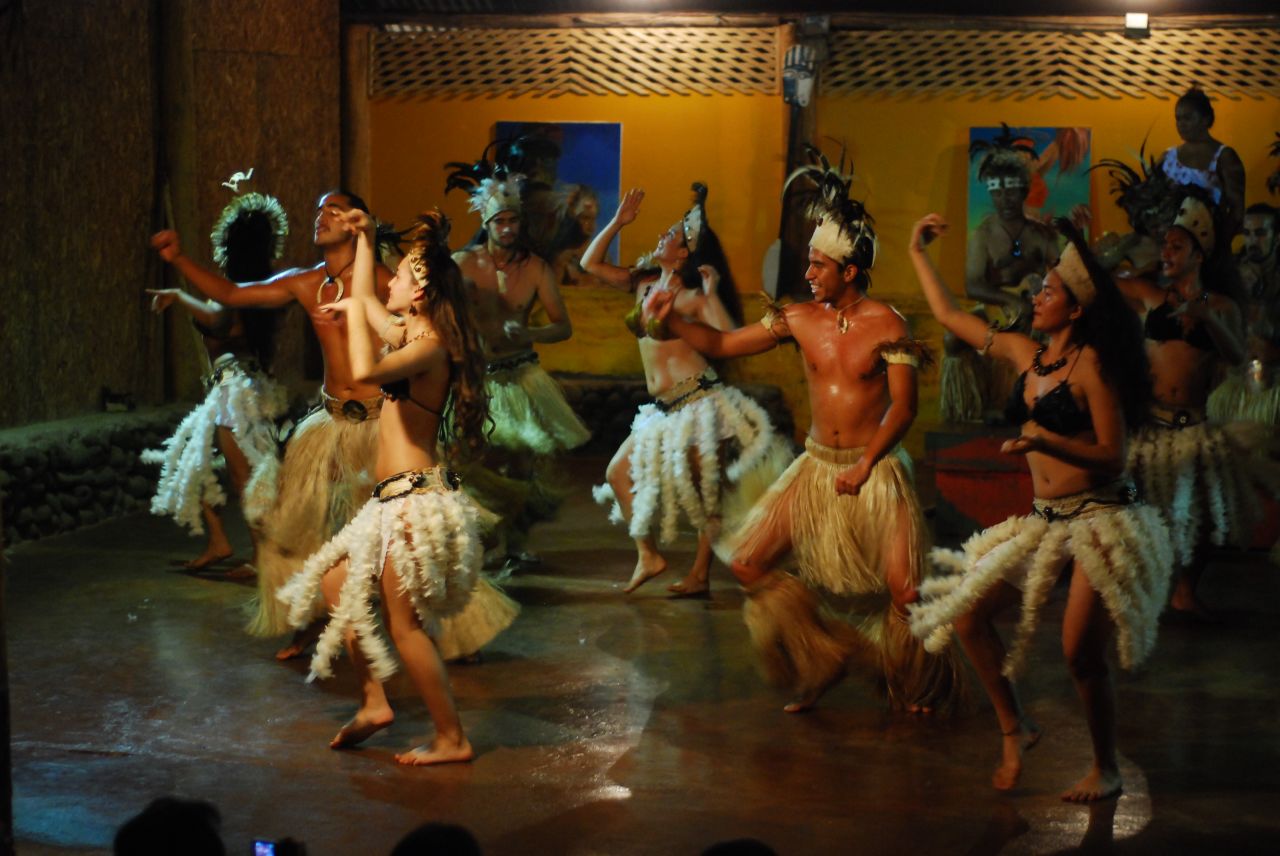
The Rapa Nui language belongs to the Eastern Polynesian subgroup and remains an important marker of cultural identity. Most islanders today are bilingual in Rapa Nui and Spanish; there have been ongoing efforts to teach and revive the language in schools and community settings. Traditional social life emphasized kin groups, ritual leaders and cooperative labor for fishing, gardening and monument construction. Music, chanting, dance and genealogical storytelling continue to carry cosmology and social memory.
Moai, monuments and cultural expressions
The moai are the most visible legacy of Rapa Nui society. Carved primarily from volcanic tuff in the quarry at Rano Raraku, these statues were placed on ahu platforms that served as ceremonial centers and markers of ancestral links to particular family groups and places. Archaeologists have studied construction, transport and placement techniques; several plausible methods for moving and erecting the statues have been proposed, including a "walking" or rocking motion aided by ropes. The island also preserves petroglyphs, wood carving, and other material expressions of local artistry.
Environment, resources and debates about the past
Rapa Nui's environmental history has attracted attention for evidence of deforestation, soil loss and changes in seabird populations after human arrival. Some early interpretations argued the island underwent ecological collapse through overexploitation, while later research emphasises a more complex picture in which social adaptation, external contacts, and introduced species all played roles. Archaeological conservation today aims to balance scientific understanding with respect for living cultural values.
Economy, tourism and contemporary life
In contemporary times tourism is a primary source of income for many families and the local economy; visitors come to study and admire the moai, archaeological sites and unique landscape. Small-scale agriculture and fishing remain important for local subsistence. The island is also a UNESCO World Heritage site, and conservation programs work alongside local authorities and community groups to protect archaeological resources while managing visitor impact.
Politics, rights and contemporary issues
Issues of land rights, cultural autonomy and self-determination are central to present-day Rapa Nui activism. Community leaders and organisations have sought greater local control over land and resources and have pursued legal and political avenues to assert indigenous rights within the Chilean state. Periodic protests, negotiations and reports of confrontations with authorities have brought national and international attention to tensions between development, conservation and local governance.
Festivals, continuity and cultural revitalization
Cultural life remains vibrant: annual events such as the Tapati festival celebrate traditional sports, music, dance and crafts, and provide a public stage for renewing language, performance and customary knowledge. Schools, cultural associations and museums on the island also play an important role in teaching carving, song and oral history to younger generations.
Further resources
- Rapa Nui cultural overview
- Easter Island (Rapa Nui) general page
- Pacific geography and history
- Easternmost Polynesian perspectives
- Comparative Eastern Polynesia
- Demographics of Rapa Nui
- Rapa Nui diaspora in Chile
- Relations with mainland Chile
- Language and Spanish influence
- Hanga Roa and settlement patterns
- West coast communities
- Tourism on Rapa Nui
- Moai and archaeological research
- Traditional Rapa Nui arts
- Indigenous rights and self-determination
- Recent events and local governance
This article provides a concise overview of the Rapa Nui people and their living culture. For in-depth study consult specialised archaeological, ethnographic and legal sources and local Rapa Nui organisations that represent community perspectives.
Related articles
Author
AlegsaOnline.com Rapa Nui people: history, culture, and contemporary issues Leandro Alegsa
URL: https://en.alegsaonline.com/art/81184
Sources
- imaginaisladepascua.com : "Rapa Nui language"
- pidp.eastwestcenter.org : "Indigenous Rapa Nui Shut Down Easter Island's 'Tourist Sites'"
- commons.wikimedia.org : Rapa Nui people