
Rajput: Origins, clans, history and social role
Rajputs are a historically prominent Kshatriya group of northern and western India, associated with warrior dynasties, distinct clan lineages, regional states and a lasting cultural identity.
The term Rajput commonly denotes members of historically martial and landed communities in northern and western India who identify with the Kshatriya social tradition. Etymologically the name derives from the Sanskrit compound often rendered as raja-putra or "king's son," and through time became shortened to the familiar form Rajput. Many Rajput families claim descent from premodern ruling houses and warrior lineages; their social identity is traditionally associated with armed service, political power and the governance of regional principalities. Scholars and traditional accounts both note connections between Rajput identity and the broader Kshatriya varna.
Image gallery
10 Images




Lineage and clan organization
Rajput social organization centers on a system of clans and founding lineages. A conventional list describes thirty-six principal clans, and these are often grouped into three ancestral lines or vanshas. The three widely cited lines are:
- Suryavanshi — those traditionally said to descend from the sun, with a symbolic connection to the sun-god Surya.
- Chandravanshi — those claiming descent from the lunar line and linked culturally to the moon-god Chandra.
- Agnivanshi — a group whose origin stories connect them to the sacred fire or the fire-god Agni.
These traditional genealogical categories play an important role in marriage rules, ceremonial precedence and the transmission of family histories. Local and regional identities — associated with particular forts, estates or principalities — are often at least as important as the generalized clan labels.
Historical development and literature
References to warrior-chiefs and noble households appear throughout classical Indian literature, and the phrase corresponding to rajanya or raja-putra occurs in early texts. Medieval and early modern periods saw the rise of numerous Rajput states and dynasties across what became known in colonial times as Rajputana. Inscriptions, court chronicles, and poetic works record Rajput rulers, their campaigns and alliances; later British-era historiography also shaped modern perceptions of Rajput polity and martial culture. Traditional accounts stress descent from ancient royal houses or tribal chieftains and associate Rajput lineage with broader patterns of Kshatriya rule and martial service. Some modern scholars emphasize the regionally diverse and composite formation of Rajput communities over several centuries, noting that claims of descent and the title itself evolved in different places and eras.
Historic texts ranging from epic and puranic sources to classical treatises mention terms and concepts later associated with the Rajput identity; historians often cite passages in ancient and medieval works to explain the etymology and early use of titles. These literary references are interpreted in varied ways: sometimes as evidence of hereditary aristocracy, sometimes as flexible social categories that adapted to changing military and political conditions.
Culture, social role and modern developments
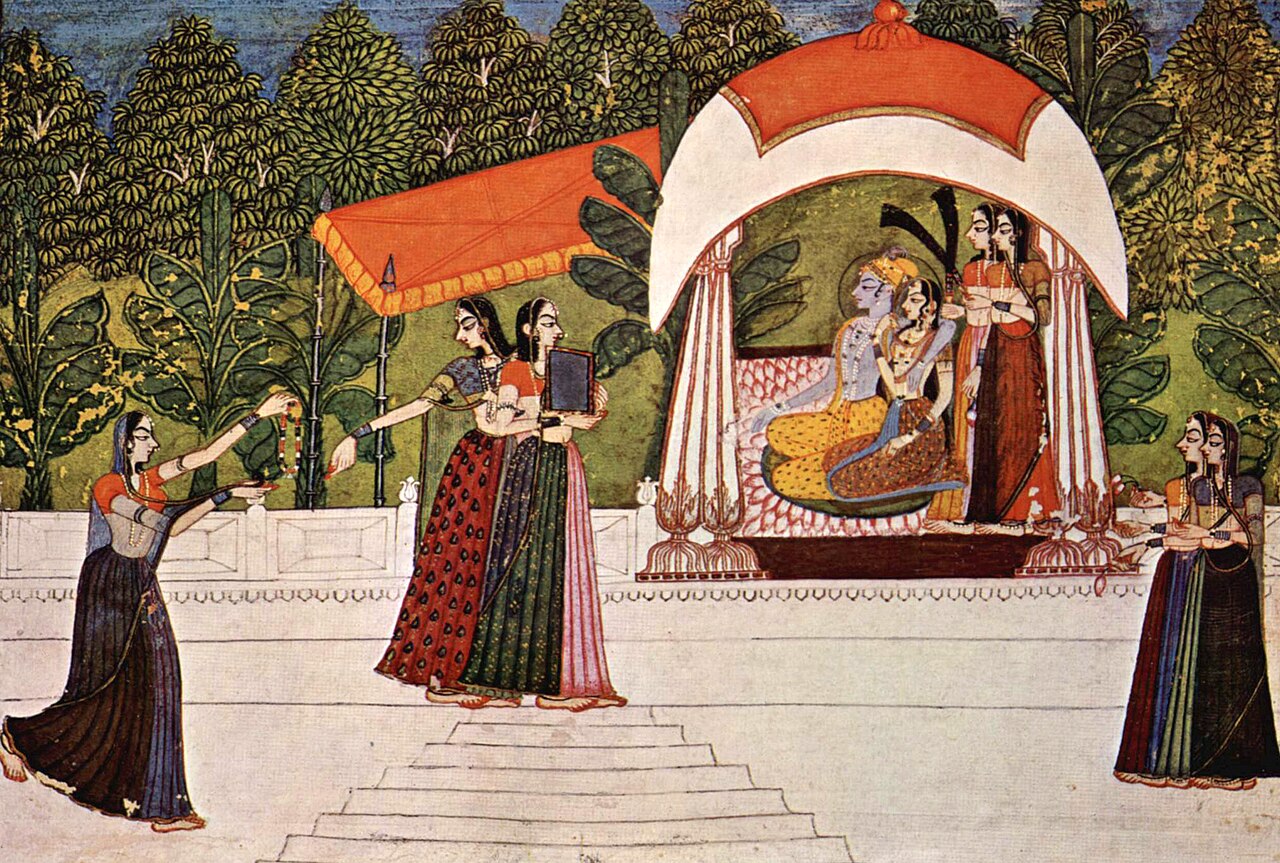
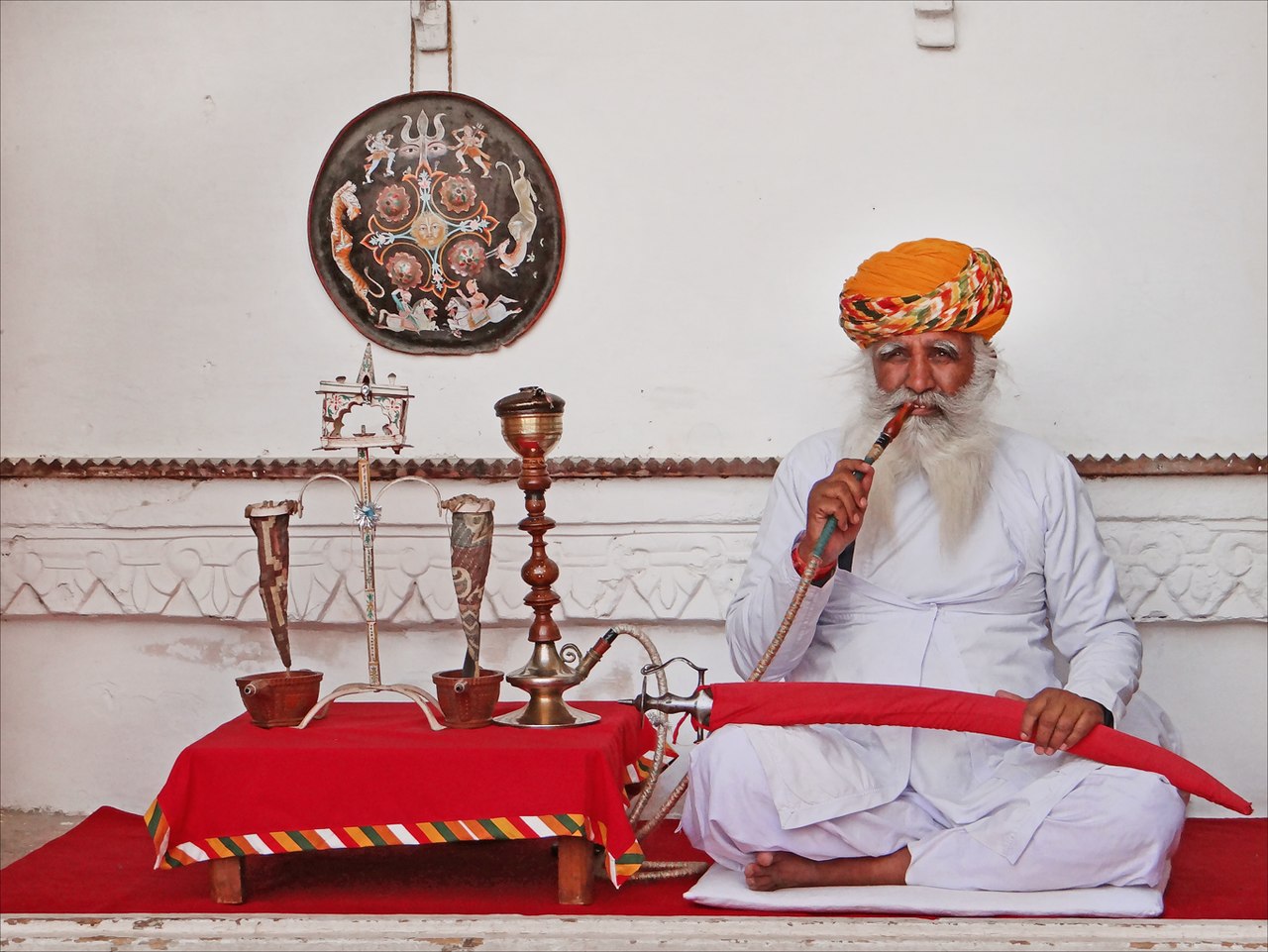
Traditional Rajput culture emphasizes values associated with martial honor, household ritual, lineage prestige and the custodianship of forts and palaces. Customs surrounding marriage, inheritance and caste status have historically reinforced clan distinctions. Architecturally and artistically, Rajput courts patronized forts, temples and a distinctive painting tradition in several regions. In the colonial and postcolonial periods, many Rajput families participated in regional governance, military service under various rulers, and in nationalist and modern political movements. Today Rajput communities are socially and economically diverse: while some retain visible hereditary estates and ceremonial status, others are integrated into wider urban and rural occupations. Debates among historians and social scientists continue about the precise origins and transformation of Rajput identity, which is best understood as the outcome of long processes of regional polity formation, martial service, endogamy and the negotiation of social rank.
For concise introductions and further reading see general works on Indian social groups, historical studies of regional principalities, and literature addressing the evolution of caste and elite identities. Traditional genealogical claims, the three broad lineage categories, and the association with the ancient royal warrior dynasties remain central to how Rajput communities understand their past, even as modern scholarship offers nuanced accounts of how that past was shaped.
Readers can follow linked entries for related concepts such as the Sanskrit term Raja-putra and the lineage labels in this article: Suryavanshi, Chandravanshi and Agnivanshi, and explore cultural references to the deities Surya and Chandra. These links provide pathways to broader topics on social structure, literature and regional history.
Related articles
Author
AlegsaOnline.com Rajput: Origins, clans, history and social role Leandro Alegsa
URL: https://en.alegsaonline.com/art/80962
Sources
- raajput.webs.com : "Clans of Rajput"