
Indian Removal Act
U.S. federal law of 1830 authorizing the relocation of Native American tribes from eastern lands to territory west of the Mississippi River and shaping the forced migrations known as the Trail of Tears.
The Indian Removal Act was a United States federal law enacted in 1830 that authorized the President to negotiate the relocation of Native American tribes living east of the Mississippi River to lands further west. Introduced in Congress by Representative Hugh White and signed by President Andrew Jackson, the statute established a legal framework for treaty-making that encouraged transfer of tribal nations to an area then designated as Indian Territory. The measure became a decisive turning point in nineteenth‑century American policy toward indigenous nations and provoked sustained political, legal, and popular debate.
Image gallery
5 Images


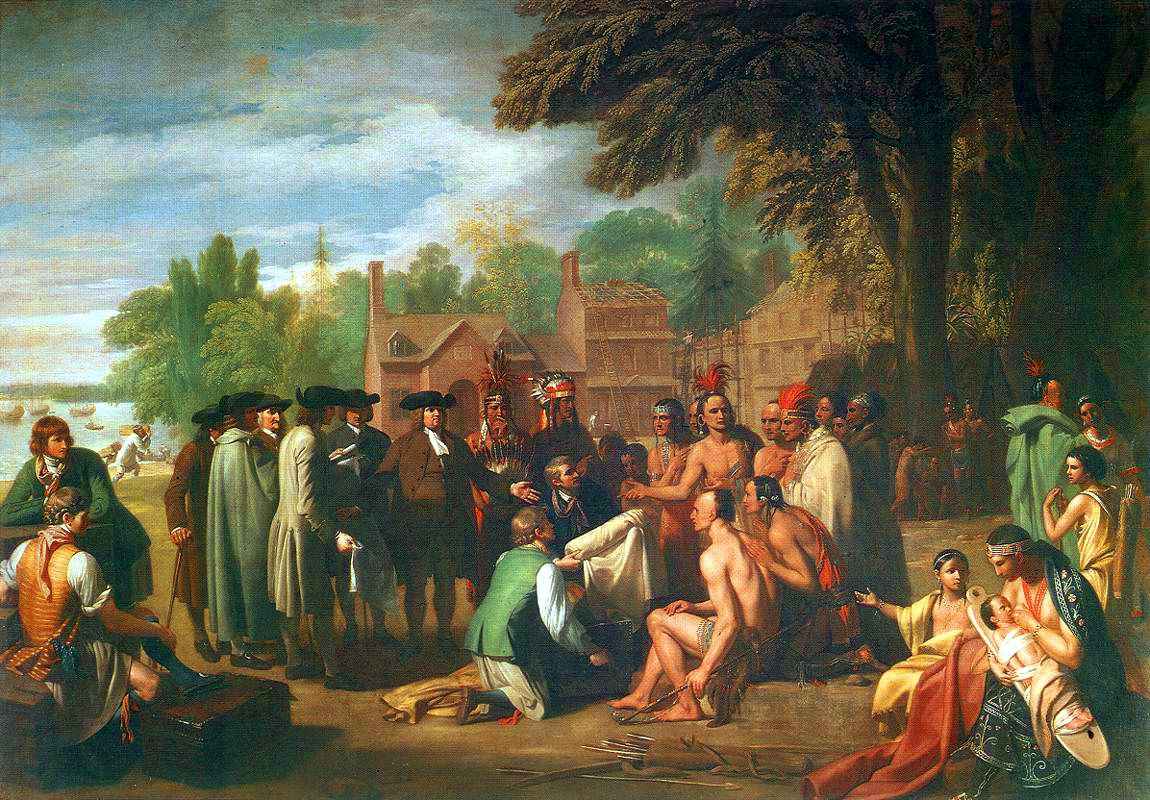

Background and context
During the early 1800s, pressure from expanding European‑American settlements, state governments, and land speculators increased demands for Native-held territory. Proponents of removal argued relocation would reduce conflict and allow assimilation, while opponents called it unjust and unconstitutional. The debate involved many political figures; for example, some members of Congress and public figures such as Davy Crockett opposed the measure on moral and political grounds, and many advocates in frontier states supported it to open land for white settlers.
Provisions and mechanism
The law authorized the federal government to negotiate treaties that exchanged tribal lands east of the Mississippi River for land in the west. It did not explicitly authorize large‑scale forced deportation, but it created a legal route for treaties that effectively transferred sovereignty and ownership. The President was empowered to implement these treaties and to provide funds to assist tribes in moving. Many arrangements were framed as voluntary, though power imbalances and state pressures produced coercion in practice.
Implementation, resistance, and legal challenges
The Act produced a range of outcomes. Some tribes entered negotiated agreements and relocated under federal supervision; others resisted removal. The Cherokee Nation, for instance, pursued legal remedies in the U.S. courts and won a favorable decision in Worcester v. Georgia, which affirmed tribal sovereignty against state laws. Nonetheless, enforcement of that decision was limited, and tensions continued. The situation culminated in forced marches and military removals, most infamously the Cherokee forced removal in 1838 that became known as the Trail of Tears. The policy also affected many other nations and communities across the Southeast and Midwest.
Consequences and legacy
Removal dramatically reshaped the map of indigenous habitation in what is now the United States. Tribes were displaced to lands west of the Mississippi—often to regions within present‑day Oklahoma—that had been designated as Indian Territory. The human cost was severe: displacement, deaths from disease and exposure, loss of traditional homelands, and disruption of social and economic life. The Act remains a central episode in discussions of federal Indian policy, indigenous rights, and American expansionism.
Notable facts and distinctions
- The law was passed by the U.S. Congress and is tied to the presidency of Andrew Jackson, who strongly supported removal policies.
- It applied to multiple Native nations, commonly referred to as Native American or indigenous tribes, and affected peoples across several states.
- The territories to which tribes were relocated were generally west of the Mississippi River and later organized in different ways by the federal government.
- Key political and geographic actors in the debate included representatives and senators from states like Tennessee, individuals such as members of Congress, and tribal nations such as the Cherokee.
Historians continue to study the Indian Removal Act for its legal implications, its human consequences, and its role in the broader story of American expansion. The law illustrates how formal legislation, political pressure, and local enforcement practices combined to produce profound and often tragic changes for indigenous peoples.
Related articles
Author
AlegsaOnline.com Indian Removal Act Leandro Alegsa
URL: https://en.alegsaonline.com/art/47124
Sources
- ngeorgia.com : "The Trail of Tears - Cherokee Indians forcibly removed from North Georgia"
- pbs.org : "Indian removal"