
Pyxicephalidae: the African frog family
Pyxicephalidae is a family of African frogs found across Sub-Saharan Africa, including a range from tiny stream species to large bullfrogs. This article summarizes their traits, distribution, taxonomy and ecology.
Overview
Pyxicephalidae is a family of frogs native to Sub-Saharan Africa. Members of this family occupy a wide variety of habitats and show considerable diversity in size, behaviour and life history. They include both small, ground-dwelling species and the large, robust African bullfrogs that are well known to naturalists.
Image gallery
2 Images
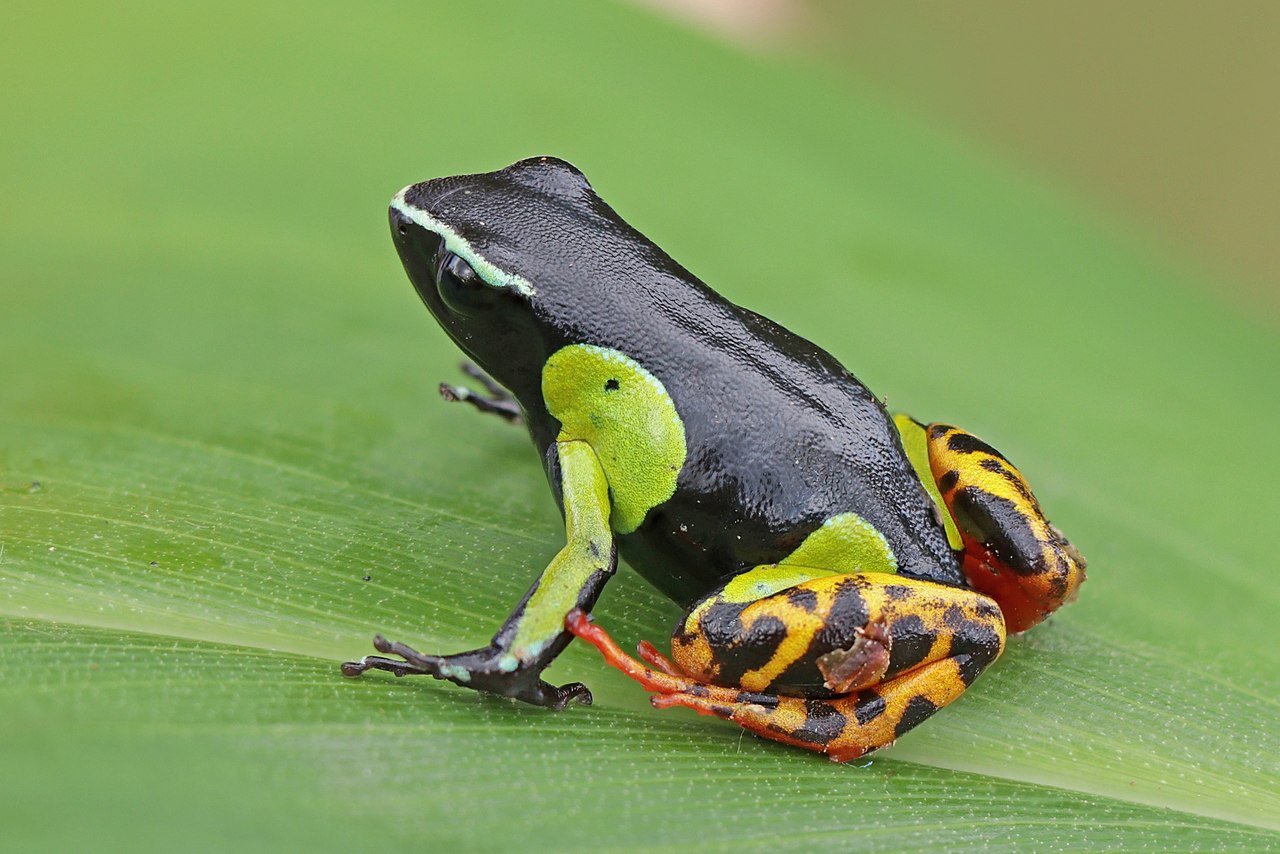
Characteristics
Species in this family vary from tiny, cryptic frogs to very large, muscular individuals. Many are terrestrial or semi‑terrestrial; several are adapted to seasonal and arid conditions and spend dry periods sheltered in burrows. Reproductive strategies are likewise varied, though many breed explosively in temporary pools following rains. Parental care occurs in some large species, where adults guard eggs or tadpoles.
Taxonomy and distribution
The family contains multiple genera and dozens of species broadly restricted to the African continent south of the Sahara. Modern molecular studies prompted taxonomic revisions that separated Pyxicephalidae from older, more inclusive frog groupings, clarifying relationships among African lineages. Genera commonly associated with the family include the well‑known Pyxicephalus (African bullfrogs) and several smaller genera adapted to particular local habitats.
Ecology, uses and conservation
Pyxicephalid frogs play important roles as predators of invertebrates and, in the case of larger species, of small vertebrates. They are prey for birds, mammals and reptiles and can influence local food webs. Habitat loss, pollution and alteration of breeding sites threaten some species; others remain common where their habitats persist. Because of their size and conspicuous behavior, some species are used in ecological study and, locally, as food.
Notable facts
- Range: widespread across Sub‑Saharan Africa in diverse habitats.
- Variation: includes both tiny and very large frogs with different life histories.
- Conservation: several species face pressures from habitat change and water pollution.
Related articles
Author
AlegsaOnline.com Pyxicephalidae: the African frog family Leandro Alegsa
URL: https://en.alegsaonline.com/art/80264
Sources
- research.amnh.org : research.amnh.org/vz/herpetology/amphibia/