
Qianzhousaurus: the long-snouted tyrannosaur from Late Cretaceous Asia
Qianzhousaurus is a genus of long-snouted tyrannosaurid known from China. Its slender skull, narrow teeth, and discovery history reveal a distinct Asian predator lineage often nicknamed “Pinocchio rex.”
Overview
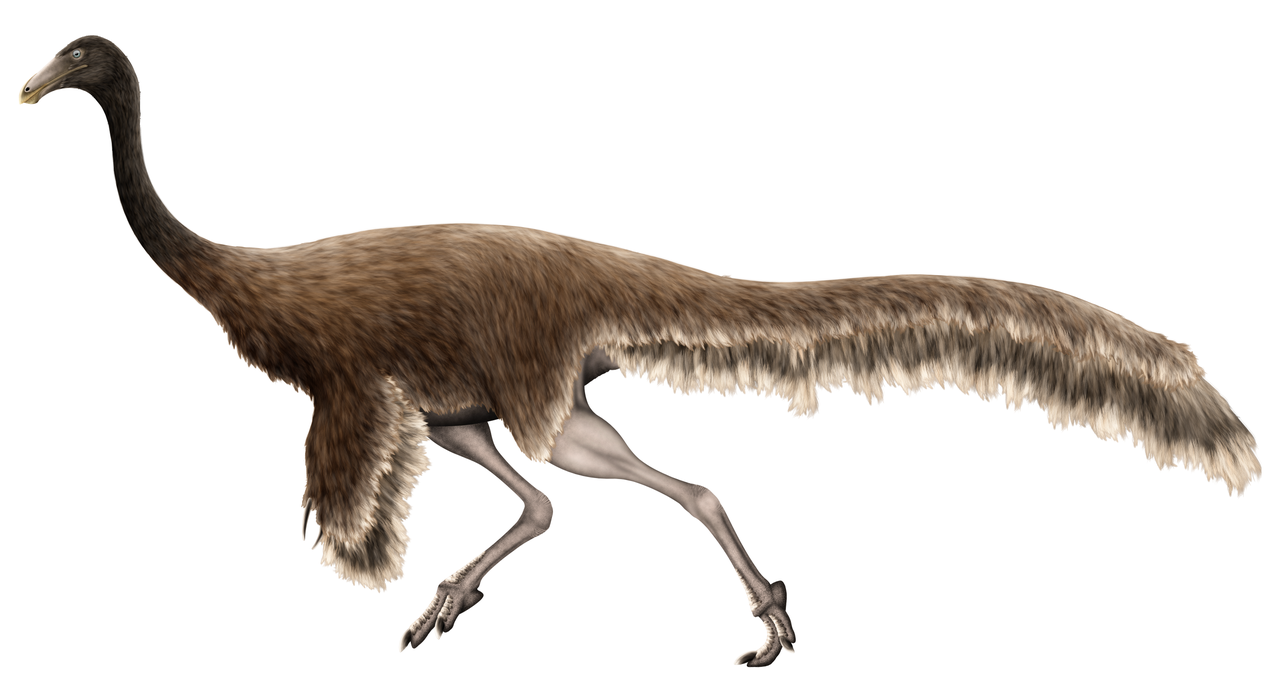
Qianzhousaurus is a genus of coelurosaurian theropod, known from a single named species, Qianzhousaurus sinensis. The animal attracted attention because of its unusually elongated snout and gracile build compared with the bulkier, deep‑jawed tyrannosaurids more familiar from North America. Popular media sometimes called it "Pinocchio rex," a nickname that highlights the long, narrow profile of its skull.
Image gallery
10 Images


Anatomical characteristics
Compared with the robust jaws and stout teeth of large tyrannosaurids, Qianzhousaurus had a slender rostrum and a set of relatively narrow, blade‑like teeth. Its skull morphology and lighter skeletal proportions indicate adaptations to a different feeding style. Key traits include:
- Elongated snout and reduced depth of the skull compared with large tyrannosaurs.
- Narrow, finely serrated teeth suited for slicing rather than crushing.
- Overall gracile postcranial skeleton that implies a lighter build and possibly greater agility.
These anatomical differences suggest Qianzhousaurus occupied a different ecological niche from massive apex predators with bone‑crushing bites.
Discovery and naming
The type specimen of Qianzhousaurus was reported from southern China, near Ganzhou in Jiangxi province, and its description was published in 2014. The fossil material was recovered after local workmen found bones during construction and these were brought to a museum, where paleontologists recognized their scientific importance. The genus name commemorates the region where it was discovered and the species name reflects its Chinese provenance. For general reference on theropods and classification see theropod dinosaurs and the broader grouping of coelurosaurian theropods.
Paleobiology and likely behaviour
Because of its narrow snout and teeth, Qianzhousaurus is inferred to have hunted smaller, more lightly built prey than the largest tyrannosaurids. Potential prey items include small ornithischians, juvenile dinosaurs, lizards and other vertebrates available in its environment. The slender jaws would be less capable of delivering the bone‑crushing bites seen in giants like Tyrannosaurus, but may have allowed faster strikes and more precise captures.
Classification, distribution and related taxa
Qianzhousaurus belongs to a group of longirostrine (long-snouted) tyrannosaurids that also includes taxa such as Alioramus, known from Mongolia (Mongolia). Together, these finds show that long-snouted tyrannosaurids were present across parts of Asia during the Late Cretaceous, forming a distinct evolutionary lineage within Tyrannosauridae. The discovery strengthened earlier suggestions—based on fragmentary material—that such gracile tyrannosaurids were a genuine component of Late Cretaceous ecosystems in Asia.
Significance and open questions
The recognition of Qianzhousaurus expanded understanding of tyrannosaurid diversity and disparity shortly before the end of the Age of Dinosaurs. It provides evidence that tyrannosaurids evolved a wider range of skull shapes and feeding strategies than previously appreciated. However, many questions remain: the full diversity and paleobiogeography of long-snouted tyrannosaurids, details of their growth and life history, and how they partitioned resources with other predators in their ecosystems are topics of ongoing research. For more general background see related resources via southern China finds and broader reviews at coelurosaurian overviews.
Overall, Qianzhousaurus illustrates how new, well‑preserved fossils can alter interpretations of ancient predator communities by revealing forms and lifestyles not represented among the best‑known genera.
Questions and answers
Q: What is Qianzhousaurus?
A: Qianzhousaurus is a genus of coelurosaurian theropod dinosaurs. It has only one species named Qianzhousaurus sinensis.
Q: How was it discovered?
A: The bones of Qianzhousaurus were discovered by workmen at a construction site near the city of Ganzhou, who then took them to a local museum.
Q: What does its long snout suggest about its feeding methods and lifestyle?
A: The thinner teeth and lighter skeleton of Qianzhousaurus suggest it hunted smaller creatures, such as lizards and feathered dinosaurs, which suggests that its feeding method and probably its life-style were quite different from Tyrannosaurus.
Q: How does this find show that long-snouted tyrannosaurids were widespread in Asia?
A: The discovery of Qianzhousaurus, and Alioramus from Mongolia, shows that the long-snouted tyrannosaurids were widespread in Asia. This indicates they were one of the main groups of predatory dinosaurs in Asia.
Q: What did an expert say about this find?
A: An expert said that this find "tells us pretty unequivocally that these long-snouted tyrannosaurs were a real thing. They were a different breed, living right to the end of the age of dinosaurs".
Q: How did T. rex differ from Qianzhousaurus?
A: Apart from its signature snout, Qianzhousaurus also had long, narrow teeth while T. rex had thick teeth and powerful, deep-set jaws which suggests their feeding methods differed significantly.
Q: Was their existence previously suspected due to scattered fossil finds?
A: Yes, their existence was previously suspected because of various scattered fossil finds before they were officially discovered in 2014.
Related articles
Author
AlegsaOnline.com Qianzhousaurus: the long-snouted tyrannosaur from Late Cretaceous Asia Leandro Alegsa
URL: https://en.alegsaonline.com/art/80324
Sources
- cbc.ca : "Pinocchio rex dinosaur found in China adds to tyrannosaur family - CBC News"
- bbc.co.uk : bbc.co.uk/news/science-environment-27296357
- telegraph.co.uk : telegraph.co.uk
- sci-news.com : "Qianzhousaurus sinensis: Long-Snouted Tyrannosaur Discovered in China - Paleontology - Sci-News.com"
- huffingtonpost.com : "'Pinocchio Rex' Dinosaur Unearthed In China Confirms Theory About Tyrannosaurs"
- wikidata.org : wikidata.org/wiki/Q16777007
- species.wikimedia.org : species.wikimedia.org/wiki/Qianzhousaurus