
Qajar dynasty
Iranian royal house of Turkic origin that governed Persia from the late 18th century to 1925, notable for centralizing rule in Tehran, territorial losses to Russia, cultural patronage and the constitutional movement.
Overview
The Qajar dynasty (Persian: سلسله قاجار) was a royal house of Turkic origin that ruled Iran from the late 18th century until 1925. Founded by Agha Mohammad Khan Qajar after a period of fragmentation, the dynasty reestablished central authority, made Tehran its capital, and shaped the political geography and institutions of modern Iran.
Image gallery
10 Images



History and development
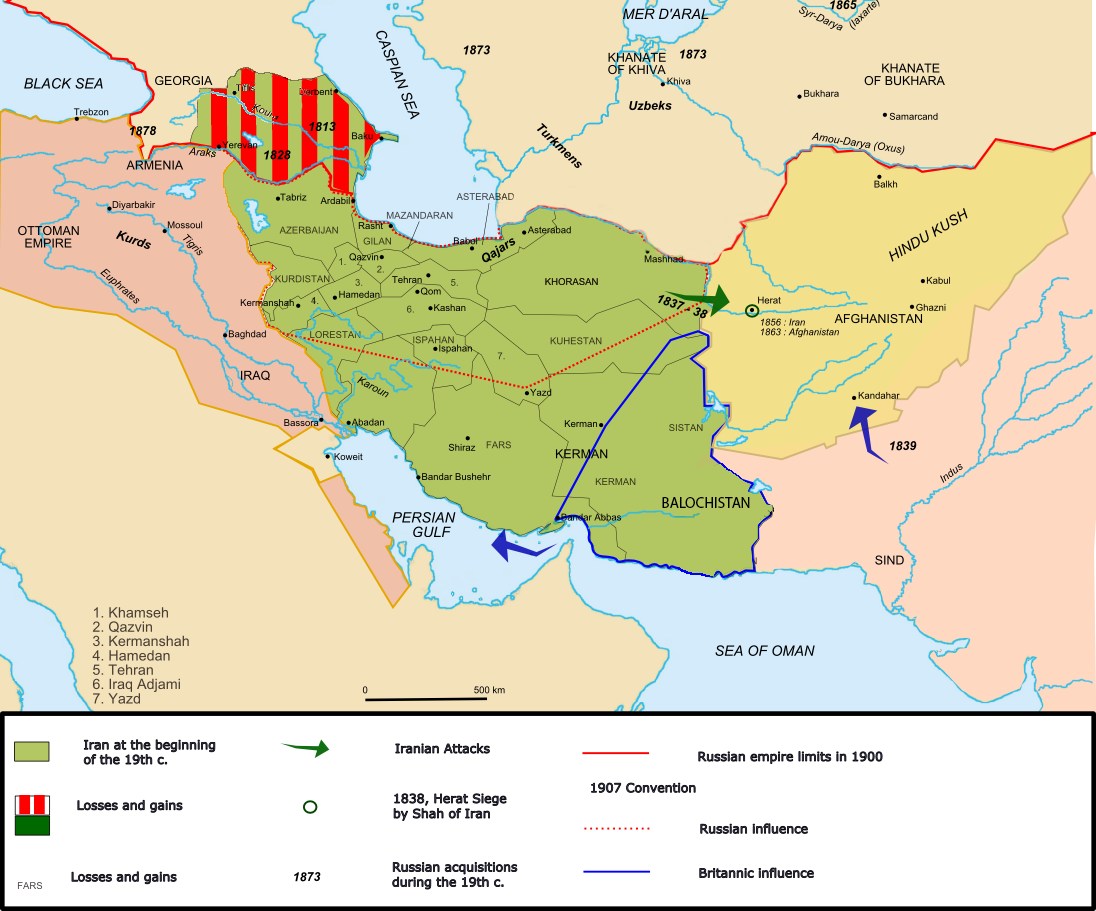
After reunifying much of the country, Qajar rulers faced persistent external pressure from expanding Imperial Russia and later economic and diplomatic rivalry with Britain. Wars in the early 19th century resulted in the loss of large territories in the Caucasus to Russia. During the 19th century several shahs sought to strengthen the monarchy while responding unevenly to calls for reform and modernization.
Government, society and reforms
The Qajar state combined a monarchical court culture with tribal power structures and an increasingly bureaucratic administration. Attempts at reform ranged from military and fiscal reorganization to limited infrastructure projects, but the dynasty often relied on concessions to foreign firms to finance projects. Growing social tensions, economic hardship and clerical activism culminated in the Persian Constitutional Revolution of the early 20th century, which produced a parliament (Majles) and a constitution that curtailed absolute royal power.
Cultural life and material legacy
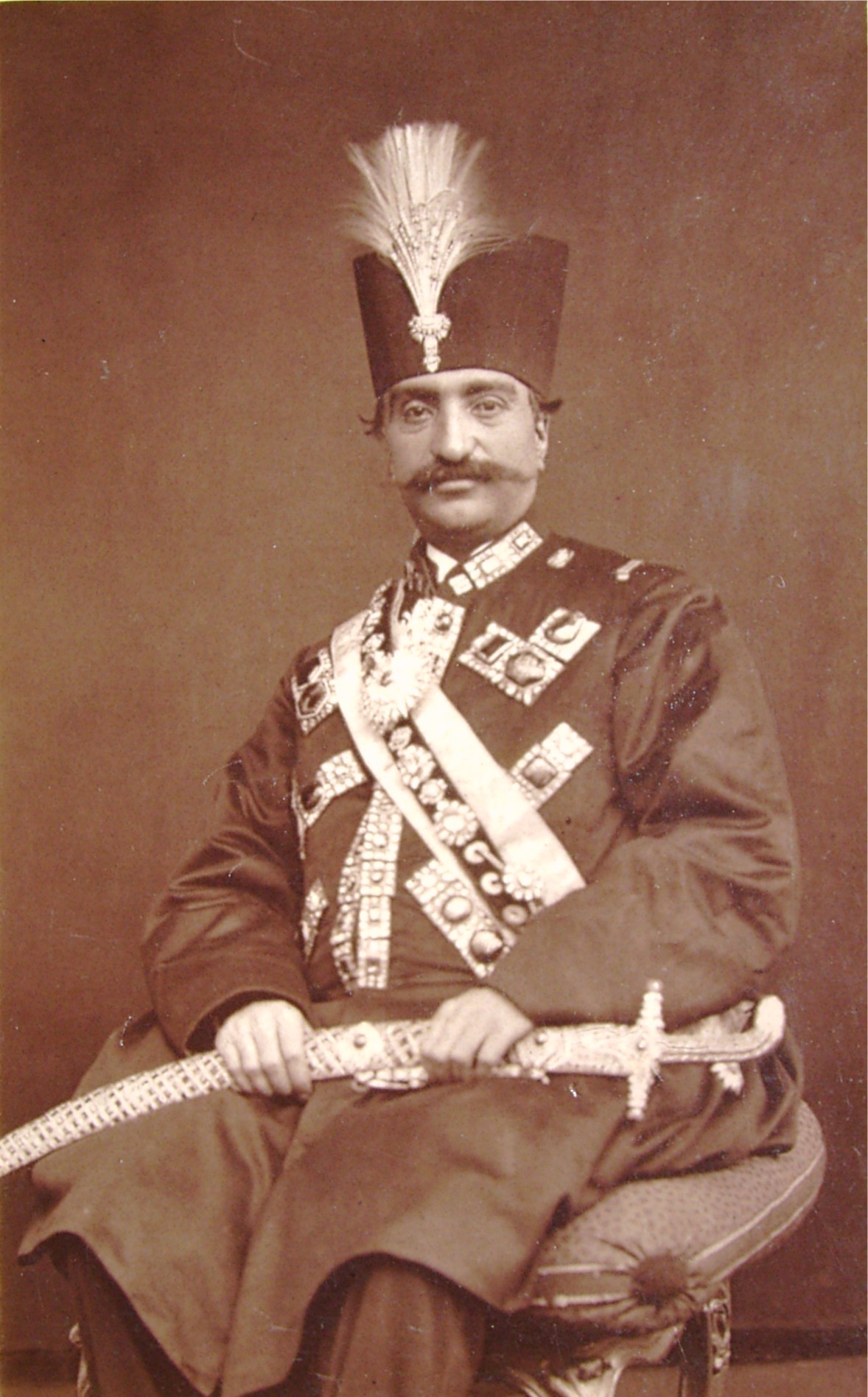
Qajar rule left a distinctive cultural imprint. Court patronage fostered painting, portraiture and architecture—Golestan Palace in Tehran is a prominent surviving complex—while photography spread in the second half of the 19th century. Qajar decorative arts, including textiles and lacquerwork, remain notable for their stylistic qualities.
Notable rulers and events
- Agha Mohammad Khan Qajar (founder)
- Fath-Ali Shah Qajar (expansion and early encounters with Russia)
- Naser al-Din Shah Qajar (long reign with modernization and concessions)
- Mozaffar al-Din Shah and the constitutional movement
- End of the dynasty and transition to Pahlavi rule in 1925
The Qajar era is often seen as a formative period that both preserved monarchical continuity and set the stage for the political, social and cultural transformations of 20th-century Iran. For further reading see selected sources on the Qajar period.
Questions and answers
Q: What is the Qajar dynasty?
A: The Qajar dynasty was a ruling Iranian dynasty that emerged from the Turkmen Qajar tribe.
Q: When did the Qajar dynasty rule Iran?
A: The Qajar dynasty ruled Iran from 1789 to 1925.
Q: What was the origin of the Qajar dynasty?
A: The Qajar dynasty originated from the Turkmen Qajar tribe.
Q: For how long did the Qajar dynasty rule Iran?
A: The Qajar dynasty ruled Iran for a period of 136 years.
Q: What was the ethnicity of the Qajar dynasty?
A: The Qajar dynasty was of Turkmen ethnicity.
Q: Which region did the Qajar dynasty rule?
A: The Qajar dynasty ruled Iran, which is located in the Middle East.
Q: What happened to the Qajar dynasty at the end of its rule?
A: The Qajar dynasty was overthrown in a military coup in 1925, which led to the establishment of the Pahlavi dynasty.
Related articles
Author
AlegsaOnline.com Qajar dynasty Leandro Alegsa
URL: https://en.alegsaonline.com/art/80279