
Propene (propylene): properties, production, uses, and safety
Propene (propylene), C3H6, is a three‑carbon alkene used as a key petrochemical feedstock for polymers and industrial chemicals; it is a flammable gas at ambient conditions.
Propene, also called propylene, is an unsaturated hydrocarbon with the molecular formula C3H6. As the second‑simplest alkene, it contains a carbon–carbon double bond that gives it distinctive reactivity compared with saturated hydrocarbons such as propane. At ordinary room temperature and pressure propene is a colorless, flammable gas and an important commodity chemical in the petrochemical industry.
Image gallery
10 Images

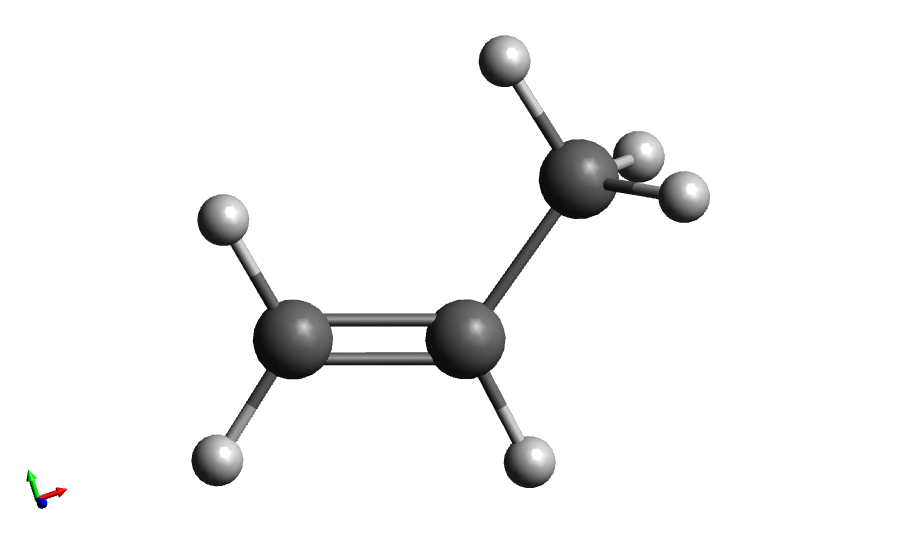





Chemical structure and reactivity
The molecule consists of three carbon atoms with one double bond (a terminal or 1‑alkene), and six hydrogen atoms. The double bond acts as a reactive site for addition reactions: hydrogenation converts propene to propane, halogenation and hydrohalogenation add halogen atoms or hydrogen halides, and oxidation reactions produce oxygenated intermediates. Propene readily undergoes polymerization — under catalytic conditions it forms polypropylene, a widely used plastic — and participates in processes such as hydroformylation and oxychlorination that create industrial intermediates.
Production and history
Commercial propene is produced chiefly from petroleum and natural gas feedstocks. Major routes include thermal steam cracking of naphtha or ethane, fluid catalytic cracking (FCC) in refineries, and propane dehydrogenation (PDH). These large‑scale processes were developed as the petrochemical industry expanded in the 20th century to supply monomers and chemical intermediates.
Uses and economic importance
The dominant use of propene is as a precursor to polypropylene, a durable and versatile polymer found in packaging, textiles, automotive components and consumer goods. Other important derivatives include propylene oxide (for polyurethanes), isopropyl alcohol, acrylonitrile and cumene. Because of this wide utility, propene is traded as a high‑volume commodity and is central to many chemical value chains.
Handling, safety and distinctions
Propene is highly flammable and stored or transported as a compressed or refrigerated liquid to manage volume. As a simple hydrocarbon it is less toxic than many chemical intermediates but can act as an asphyxiant in confined spaces and forms explosive mixtures with air. Unlike internal alkenes that can show geometric (cis/trans) isomerism, propene’s terminal double bond does not give rise to stereoisomers, a useful distinction in reaction planning.
Further reading
Related articles
Author
AlegsaOnline.com Propene (propylene): properties, production, uses, and safety Leandro Alegsa
URL: https://en.alegsaonline.com/art/79445