
Psilocybin: natural psychedelic compound, effects, history, and uses
Psilocybin is a naturally occurring psychedelic found in many mushroom species. It alters perception and cognition, is studied for therapeutic use, and has varied legal status; safety and context are important.
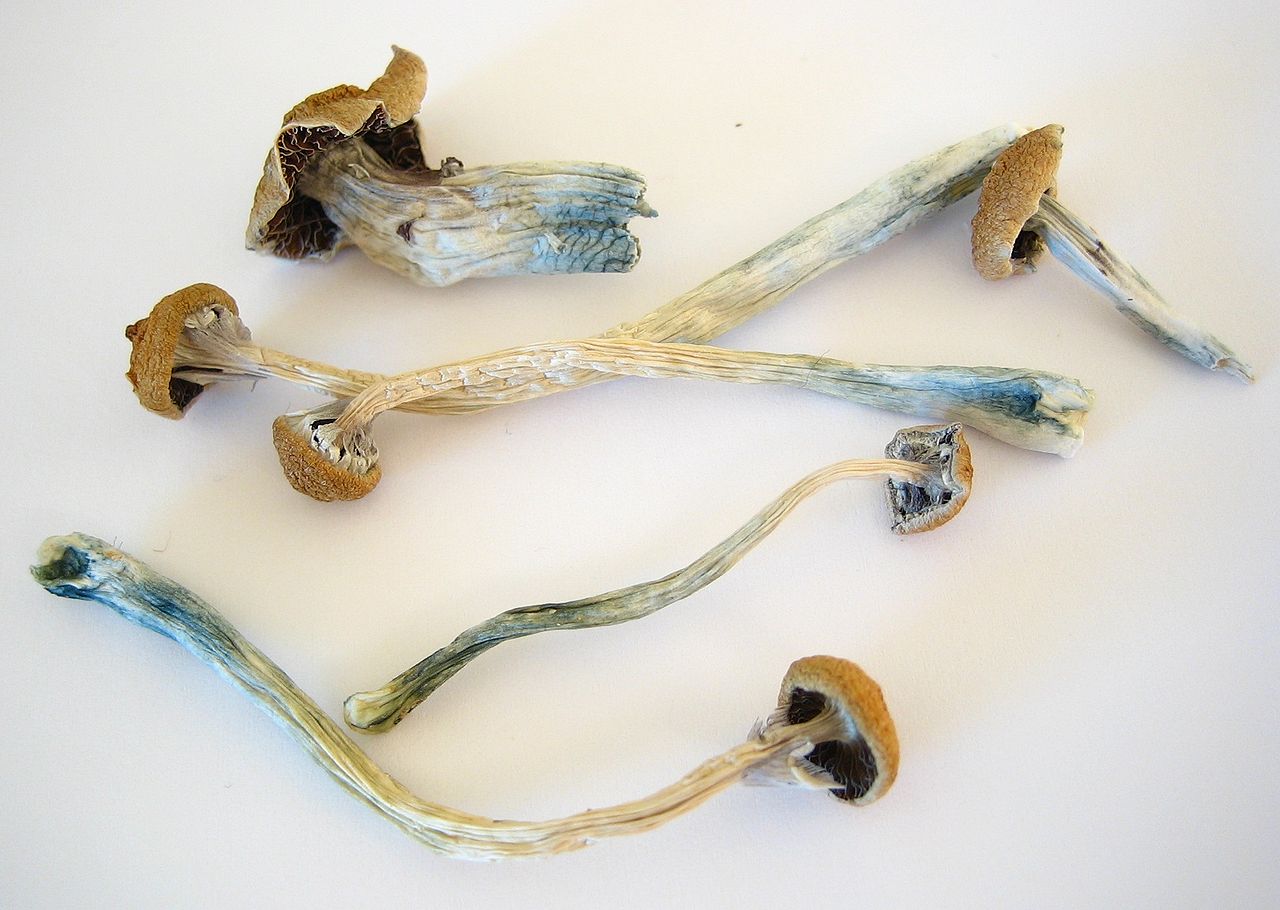
Psilocybin is a naturally occurring indole alkaloid produced by certain fungi. As a chemical compound it is best understood as a prodrug that the body converts into the active molecule psilocin; for a concise chemical overview see specialist resources. When consumed in sufficient amounts it commonly produces altered perception, changes in sensory experience, and shifts in thinking and emotion often described colloquially as hallucinations or a psychedelic experience. The character and intensity of effects vary with dose, species and preparation, individual biology, and the psychological and physical setting.
Image gallery
10 Images




Pharmacology and mechanism
After oral ingestion psilocybin is dephosphorylated to psilocin, which acts primarily on serotonin (5-HT) receptors, especially the 5-HT2A subtype. These receptors are concentrated in the cortex and other brain regions involved in perception, mood and cognition; engagement of these systems can alter sensory processing and the integration of thought and emotion. Research using brain imaging has shown changes in functional connectivity, and some studies suggest psilocybin may promote transient increases in neural plasticity. Exact mechanisms remain an active area of study; consult specialist reviews for technical details.
Effects and time course
Onset of subjective effects typically occurs within 20–60 minutes after oral ingestion, with the acute phase commonly lasting about 4–6 hours; after-effects and psychological integration can persist for days. Typical acute effects include visual and auditory changes, shifts in sense of self, altered time perception, and intensified emotions. Experiences range from deeply meaningful and positive to challenging or distressing; set (mindset) and setting (environment and support) are important determinants of outcome.
Occurrence, species and ecology
Psilocybin occurs in multiple genera of fungi. Well-known groups that include species with measurable psilocybin and related alkaloids include Psilocybe, Panaeolus, and Gymnopilus. Comprehensive lists and taxonomic treatments are available in mycological literature and online species databases; for an overview see a fungal species list. Natural occurrences have been documented on many continents, including reports from Europe, South America, Mexico and the United States. Identification in the field can be difficult and potentially dangerous; inexperienced collectors should not rely on informal descriptions.
History, cultural use and modern research
Indigenous peoples in parts of Mesoamerica used psilocybin-containing mushrooms in ritual contexts for centuries before modern scientific characterization. Interest in clinical and laboratory research increased in the 20th century, later constrained by regulatory controls, and has expanded again in recent decades. Controlled clinical trials and experimental studies at research centers such as Johns Hopkins Medicine and others have reported that, when administered within a structured therapeutic framework with psychological support, psilocybin can produce rapid and sometimes sustained reductions in symptoms for specific conditions. These include reductions in existential anxiety linked to life-threatening illness and improvements in certain forms of depression. Investigations are ongoing into applications for addiction, post-traumatic stress, and other disorders, but evidence is still developing and protocols emphasize careful screening and professional support.
Uses, risks and safety
Uses of psilocybin range from traditional ceremonial and recreational to experimental therapeutic applications. ‘‘Microdosing’’—taking subperceptual amounts on a repeated schedule—has gained popular interest, but high-quality evidence for routine cognitive or mood benefits is limited. Acute risks include intense anxiety, panic or frightening perceptual disturbances (often called a "bad trip"), risky behavior while impaired, and transient confusion. People with a personal or family history of psychotic disorders or certain mood disorders may face greater risks of prolonged adverse effects. Medical screening, appropriate setting, and psychological support are central to harm-reduction and clinical protocols.
Legal and regulatory context
Psilocybin is controlled under drug laws in many countries and is placed in restrictive schedules in numerous jurisdictions. Regulatory approaches vary: some cities and regions have chosen to decriminalize possession or prioritize law-enforcement discretion, while tightly regulated clinical research and therapy are permitted under special approvals in some places. Legal status can change rapidly; anyone considering involvement in research or use should consult current local regulations and qualified professionals.
Practical notes and further reading
Because species, potency and individual responses vary, identification, dosage and sourcing carry risks. For medical or therapeutic considerations consult licensed clinicians and peer-reviewed literature rather than anecdote. Further introductory or technical resources include a general chemical overview, comparative effect profiles, curated species lists, and regional reports for Europe, South America, Mexico and the United States. For mechanism and clinical work see resources on brain targets and institutional sites such as Johns Hopkins and other research centers; selected clinical topics include studies of existential anxiety and depression. Research and recommendations continue to evolve as evidence accumulates.
Related articles
Author
AlegsaOnline.com Psilocybin: natural psychedelic compound, effects, history, and uses Leandro Alegsa
URL: https://en.alegsaonline.com/art/79828
Sources
- reset.me : "Study: Psilocybin Mushrooms Stimulate Growth Of New Brain Cells"