
Prokaryote: overview, structure, classification and ecological importance
Prokaryotes are single-celled organisms—bacteria and archaea—characterized by a nucleoid, simple ribosomes and diverse metabolisms. This article covers their structure, evolution, roles and contrasts with eukaryotes.
Prokaryotes are organisms made of a single cell and are among the most ancient and abundant forms of life on Earth. The term often refers collectively to two major groups: bacteria and archaea. They are usually described as unicellular organisms that lack a membrane-bound nucleus and other internal compartments found in more complex cells. Despite their simplicity, prokaryotes display extraordinary biochemical variety and can colonize nearly every habitat on the planet.
Image gallery
5 Images


Cell structure and defining features
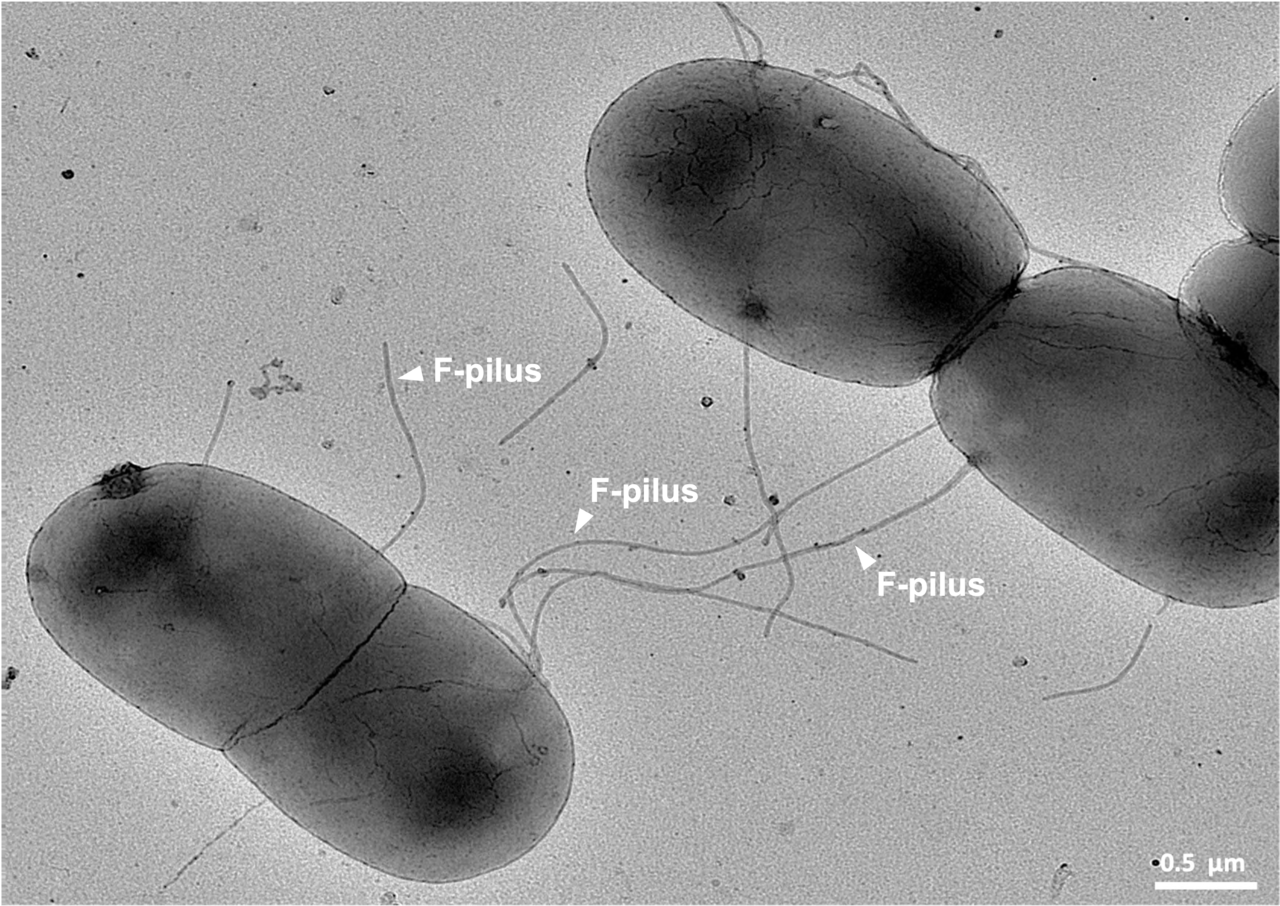
At the cellular level prokaryotes differ from eukaryotes in several consistent ways. Their genetic material is typically organized in a region called the nucleoid rather than enclosed by a nuclear envelope; correspondingly they lack a distinct nuclear membrane. Many prokaryotes also contain small, circular DNA molecules called plasmids that can move between cells. They do not possess membrane-bound organelles such as mitochondria or chloroplasts, nor do they have large internal compartments like vacuoles or the Golgi apparatus. Classic eukaryotic structures such as vacuoles and the endoplasmic reticula are absent in standard prokaryotic architectures.
Prokaryotic cells retain essential machinery for protein synthesis: ribosomes that are structurally simpler than eukaryotic ribosomes (commonly cited as 70S). Many species are bounded by a cell envelope that can include a cell wall and a plasma membrane; differences in cell wall composition underlie key laboratory distinctions. Although prokaryotes are often described as lacking internal membranes, some groups have internal membrane infoldings associated with respiration or photosynthesis.
Classification and notable groups
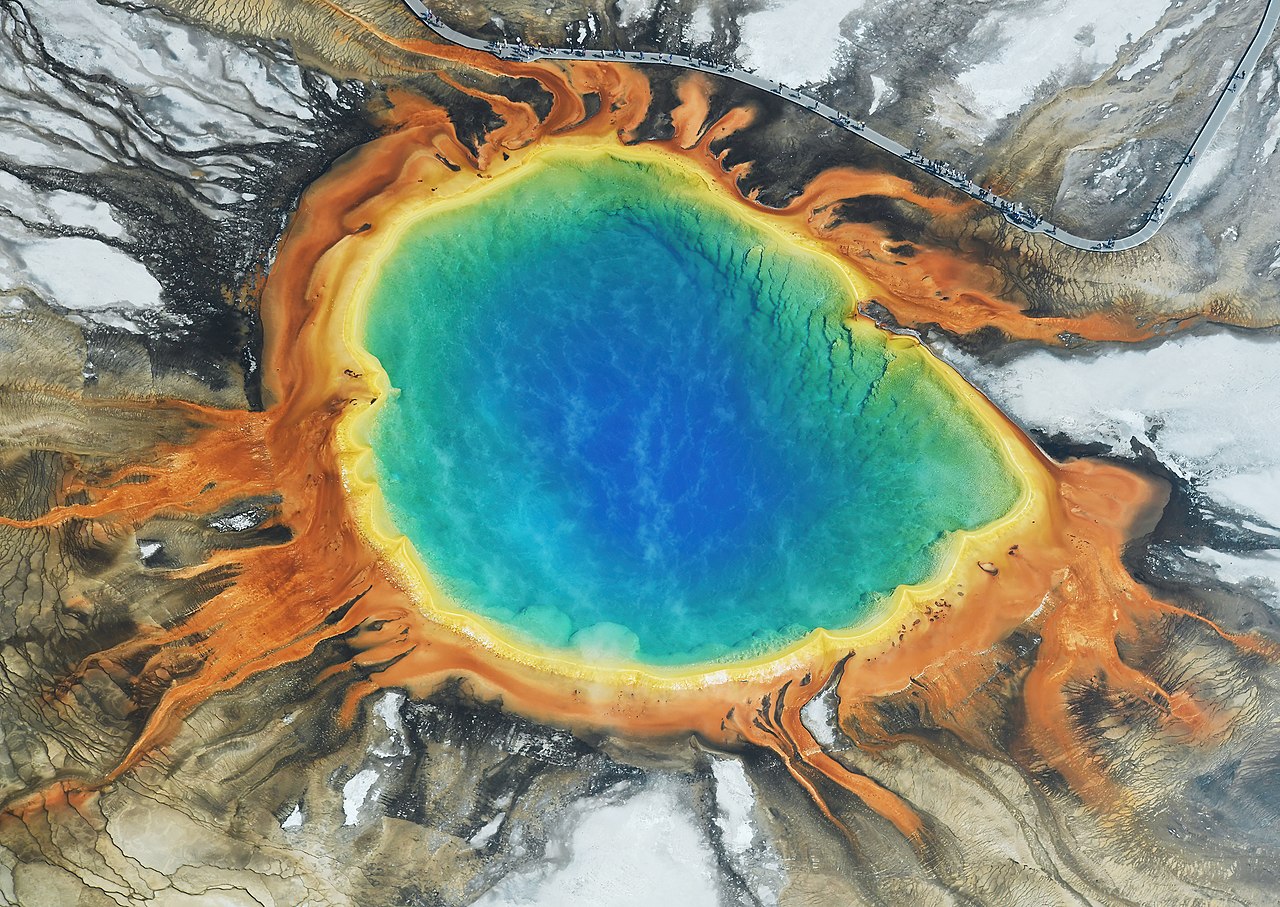
The two domains traditionally grouped as prokaryotes—bacteria and archaea—are genetically distinct. Bacteria include familiar forms such as those used in food fermentation and many pathogens, and they also encompass photosynthetic groups like the Cyanobacteria, which played a major role in shaping Earth’s atmosphere. Archaea were recognized as a separate domain relatively recently and include many extremophiles adapted to high temperature, salinity or acidity. Molecular differences in ribosomal RNA and membrane lipids differentiate these domains at a fundamental level.
Growth, genetics and community behavior
Prokaryotes reproduce primarily by simple cell division (binary fission) and do not require gamete fusion. Genetic variation is generated not only by mutation but also by mechanisms of horizontal gene transfer such as transformation, transduction and conjugation. These processes allow genes to move between unrelated strains and even species, accelerating adaptation.
In nature prokaryotes frequently form structured communities. Many species grow in biofilms, surface-associated assemblies that can behave like cooperative collectives and in some ways resemble primitive multicellular organisms. Within soils, oceans and host bodies, prokaryotic communities drive crucial biochemical cycles—carbon, nitrogen, sulfur and others—and support larger ecosystems through nutrient transformation and symbiosis.
Importance to humans and applications
Prokaryotes have enormous practical significance. Beneficial bacteria are used in food production, wastewater treatment, bioremediation and industrial biotechnology. Microbial enzymes and metabolic pathways are tools for synthetic biology. At the same time some bacteria cause disease and are the targets of antimicrobial therapy, which relies on distinguishing prokaryotic features from those of eukaryotes to avoid host toxicity.
Historical and evolutionary context
Historically, organisms without a nucleus were grouped under the informal term "Monera," but modern molecular studies have led to a finer division into domains and to new ideas about early cell evolution. Current models propose that eukaryotic cells arose through symbiotic events in which ancestral prokaryotes became the organelles of modern eukaryotes—a perspective that emphasizes the central role of prokaryotes in the origin of cellular complexity.
- Key distinctions: absence of a nuclear membrane, simpler ribosomes, often smaller cell size.
- Ecological roles: primary production (e.g., cyanobacteria), decomposition, nutrient cycling, symbiosis.
- Practical uses: fermentation, biotechnology, antibiotics target, environmental cleanup.
For further reading on specific groups and advanced topics, follow introductory resources on microbial diversity and cellular biology: unicellular life, bacterial diversity, archaeal biology, or consult specialized sources about cellular compartments and membranes (nucleus, nuclear envelope, organelles, membranes, vacuoles, ER) and ecological assemblies such as biofilms and multicell-like communities.
Questions and answers
Q: What are prokaryotes?
A: Prokaryotes are some of the simplest living things. They are unicellular organisms and they include two major divisions of simple living beings: bacteria, and archaea.
Q: Do prokaryotes have a cell nucleus?
A: Generally not, however a small number of exceptions have been found.
Q: What is the genetic material in prokaryotes?
A: Prokaryotes possess genetic material in the form of a single DNA loop called a Nucleoid that floats around freely inside the cell.
Q: What type of bacteria includes Cyanobacteria?
A: Cyanobacteria (formerly known as blue-green algae due to their photosynthetic capacity) is one type of bacteria.
Q: How do prokaryotes reproduce?
A: Prokaryotes reproduce without fusion of gametes.
Q: Do prokaryote cells have membranes?
A: No, they do not have membranes which means there are no vacuoles, Golgi apparatus, endoplasmic reticula or other organelles inside the cell. However, they do have ribosomes, though of a simpler kind than eukaryotes.
Q: Where did eukaryote cells come from?
A: Eukaryote cells include organelles which were once free-living prokaryotes.
Related articles
Author
AlegsaOnline.com Prokaryote: overview, structure, classification and ecological importance Leandro Alegsa
URL: https://en.alegsaonline.com/art/79411
Sources
- mmbr.asm.org : "There must be a prokaryote somewhere: microbiology's search for itself"
- ncbi.nlm.nih.gov : 372949
- pubmed.ncbi.nlm.nih.gov : 8177167