
Propolis
A resinous, wax-like material gathered by bees from plant buds and used to seal and protect hives; valued in folk medicine and studied for antimicrobial and anti-inflammatory properties.
Propolis (from Greek pro "for" + polis "city") is a sticky, resinous material collected by honey bees from tree buds, sap flows and other botanical sources and mixed with beeswax and enzymes. In the hive it serves as a multipurpose construction and defence material. Outside apiculture it is known for a complex chemical profile and has been used traditionally as a topical remedy and preservative.
Image gallery
6 Images


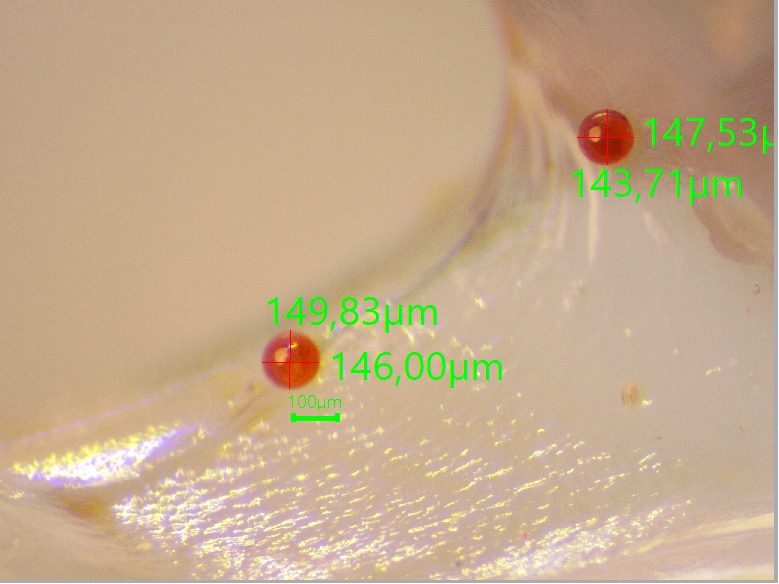
Composition and appearance
Propolis is not a single compound but a mixture. Typical constituents include plant resins and balsams, beeswax, essential oils, pollen traces and a variety of organic molecules such as flavonoids and phenolic acids. Its color ranges from yellowish to dark brown or even greenish, depending on the botanical sources. The exact chemical fingerprint varies with geography and season.
Functions in the hive
Bees use propolis to seal small gaps, smooth internal walls and reinforce comb joints. It helps reduce drafts, limit moisture and block entry points against intruders and parasites. Because of its bioactive constituents, propolis contributes to colony hygiene and shows antimicrobial activity under laboratory conditions, which may lower microbial loads inside the nest.
Human uses and study
Throughout history propolis has been applied in traditional remedies, ointments and varnishes. Today it appears in creams, lozenges, tinctures and dietary supplements marketed for wound care, sore throat relief and skin conditions. Scientific research has explored antioxidant, anti-inflammatory and antimicrobial effects, but clinical evidence is mixed and quality varies between studies. Consumers should treat therapeutic claims cautiously and rely on well-designed trials for medical guidance.
Collection, economics and history
Beekeepers harvest propolis by scraping hive parts or installing propolis traps that encourage bees to pack a removable grid. Its yield is modest compared with honey, making it a niche apicultural product. Historical records indicate its use by various cultures for coatings, embalming aids and folk medicine, reflecting long-standing human interest in bee products.
Safety, distinctions and notable facts
- Allergic reactions, especially contact dermatitis, are the most common adverse effect.
- Propolis is distinct from honey, royal jelly and pollen; each bee product has different composition and uses.
- Product quality depends on botanical origin; standardization is a challenge for research and commerce.
- For further general information see sources on bee biology and natural products: resinous substance.
When considering propolis for health purposes, consult reliable medical guidance and be aware of potential interactions and sensitivities. Its ecological role in the hive and cultural history make it a subject of ongoing scientific and commercial interest.
Related articles
Author
AlegsaOnline.com Propolis Leandro Alegsa
URL: https://en.alegsaonline.com/art/79460