
Organelle (cell biology): structure, types, and function
An organelle is a specialized subunit within a cell that performs a distinct function. This article explains types, structures, origins, roles in health and key distinctions between membrane-bound and non-membrane compartments.
Overview
An organelle is a specialized structure within a cell that carries out a particular task essential for cellular life. In cell biology the term highlights the similarity in role between an organ of the body and these smaller cellular "organs." Organelles are commonly located in the cytoplasm and may be bounded by lipid membranes, protein shells, or exist as dynamic macromolecular assemblies.
Image gallery
3 Images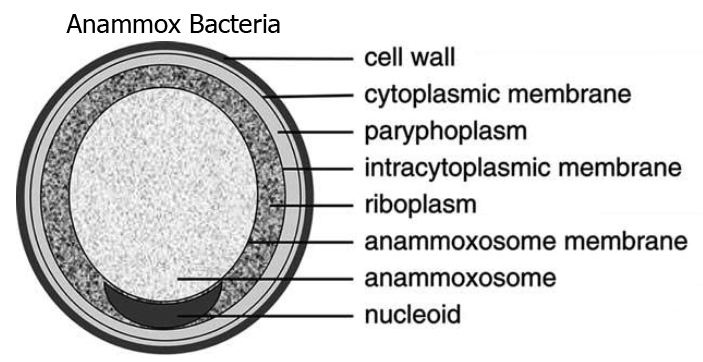


Main types and general functions
Organelles can be divided into membrane-bound and non-membrane-bound types. Membrane-bound organelles create enclosed compartments that separate biochemical processes; non-membrane organelles are formed by protein complexes or nucleic acids and perform tasks without a surrounding lipid bilayer. Typical cellular roles include energy conversion, genetic information storage and expression, biosynthesis, transport, degradation, and detoxification.
- Membrane-bound examples: nucleus (genetic information), mitochondria (ATP production), chloroplasts (photosynthesis in plants and algae), endoplasmic reticulum and Golgi apparatus (protein and lipid processing), lysosomes and peroxisomes (breakdown and detoxification).
- Non-membrane examples: ribosomes (protein synthesis), proteasomes (protein degradation), centrosomes/centrioles in many eukaryotes, and other ribonucleoprotein granules.
Examples and cellular importance
Organelles enable eukaryotic cells to carry out complex, simultaneous reactions without unwanted interference. For example, mitochondria convert nutrients into usable energy and also regulate apoptosis; the nucleus protects and regulates access to DNA; lysosomes contain enzymes for recycling cellular material. The coordinated activity of organelles underpins metabolism, growth, division and response to stress.
Origin and evolution
The evolutionary history of organelles includes endosymbiotic events that gave rise to mitochondria and chloroplasts; these organelles retain their own genomes and double membranes, features consistent with ancient bacterial ancestors. Eukaryotic complexity—seen in specialized organelles and internal membrane systems—contrasts with the simpler internal organization of many prokaryotes. Historically, eukaryotic cells were defined by the presence of membrane-bound organelles whereas prokaryotic cells lacked them, but modern research shows exceptions and a continuum of compartmentalization.
Organelles in prokaryotes and protein-based compartments
Prokaryotes do not generally have the same membrane-bound organelles as eukaryotes, yet they can form specialized microcompartments. These structures—sometimes called bacterial microcompartments—use protein shells to confine enzymatic reactions. Other bacterial structures include magnetosomes and carboxysomes that concentrate substrates and enzymes to increase metabolic efficiency.
Relevance to medicine and research
Dysfunction of organelles underlies many diseases: mitochondrial disorders affect energy metabolism, lysosomal storage diseases impair degradation pathways, and defects in organelle biogenesis disrupt development. Organelles are also targets for drugs and biotechnology: for instance, chloroplasts are engineered in agriculture, and understanding organelle dynamics informs cancer and neurodegenerative disease research. For an introductory review see organ-level analogies and broader discussions of cellular organization in the literature and resources such as body-oriented educational material.
For broader reading on cellular compartments and contemporary findings, consult specialist resources in cell biology and microbiology. Further basic explanations of compartment types and functions can be found through linked overviews and specialist pages: cell biology overview, cytoplasmic organization, and focused entries on prokaryotic compartmentalization.
Questions and answers
Q: What is an organelle?
A: An organelle is a part of a cell that does a specific job. It typically has its own plasma membrane around it.
Q: Where are most of the cell's organelles located?
A: Most of the cell's organelles are located in the cytoplasm.
Q: What is the origin of the term "organelle"?
A: The term "organelle" comes from the idea that these structures are to cells what an organ is to the body.
Q: Are there different types of organelles in eukaryotic cells?
A: Yes, there are many types of organelles in eukaryotic cells.
Q: Do prokaryotes have their own type of organelles?
A: Yes, although they were once thought not to have any, some examples have now been found. They are not organised like eukaryote organelles and are not bounded by plasma membranes; they are called bacterial microcompartments.
Tags
Related articles
Author
AlegsaOnline.com Organelle (cell biology): structure, types, and function Leandro Alegsa
URL: https://en.alegsaonline.com/art/73088
Sources
- commons.wikimedia.org : Organelles
- books.google.com : Opportunities in biology
- doi.org : 10.1126/science.1113397
- pubmed.ncbi.nlm.nih.gov : 16081736
- asm.org : "Bacterial microcompartments"
- ncbi.nlm.nih.gov : "Centrosome-associated RNA in surf clam oocytes"
- doi.org : 10.1073/pnas.0602859103
- pubmed.ncbi.nlm.nih.gov : 16754862
- doi.org : 10.1016/0769-2609(88)90095-6
- pubmed.ncbi.nlm.nih.gov : 3289587
- ui.adsabs.harvard.edu : 2005Sci...309..936K
- ui.adsabs.harvard.edu : 2006Sci...311..242K