
Archaea
Archaea are a domain of microscopic single-celled life distinct from bacteria and eukaryotes, notable for unusual cell chemistry, early evolutionary importance, and many species adapted to extreme or ordinary habitats.
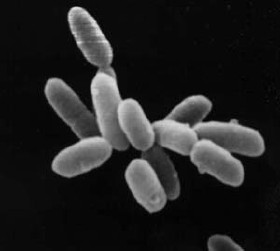
Archaea are a domain of microscopic, single-celled organisms that form one of the major branches of life. They were first recognized in habitats that seemed too harsh for most life, but they are now known to occur in many ordinary settings as well, including soil, oceans, wetlands, and the digestive tracts of animals. The group was once grouped with bacteria, yet modern biology treats it as separate.
Image gallery
10 Images



What makes archaea distinct?
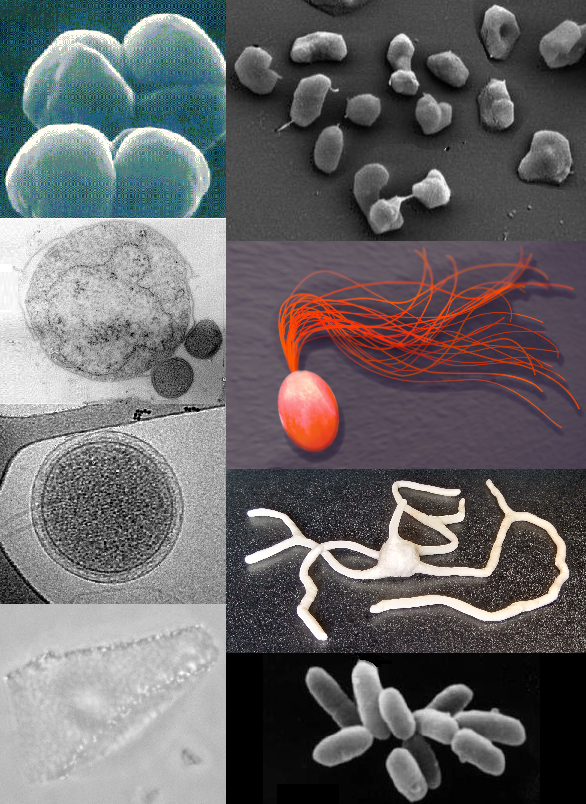
Archaea are prokaryotes, so they do not have a nucleus or membrane-bound organelles like eukaryotes. Even so, they differ from bacteria in important ways. Their cell membranes have distinctive lipids, their cell walls do not contain the same peptidoglycan found in many bacteria, and several of their genetic and metabolic systems resemble those of more complex cells. These differences reflect an independent evolutionary history and help explain why archaea are placed in their own domain in the three-domain classification system. Their biochemistry is unusual enough that researchers continue to study them for clues about early life on Earth.
The name comes from a Greek word meaning ancient or old. For a time, many scientists referred to the group as archaebacteria, but that term is now considered outdated because archaea are not simply a special kind of bacteria. The modern three-domain system separates life into Archaea, Bacteria, and Eukaryota, emphasizing that these lineages diverged very early in evolution.
Habitats and examples
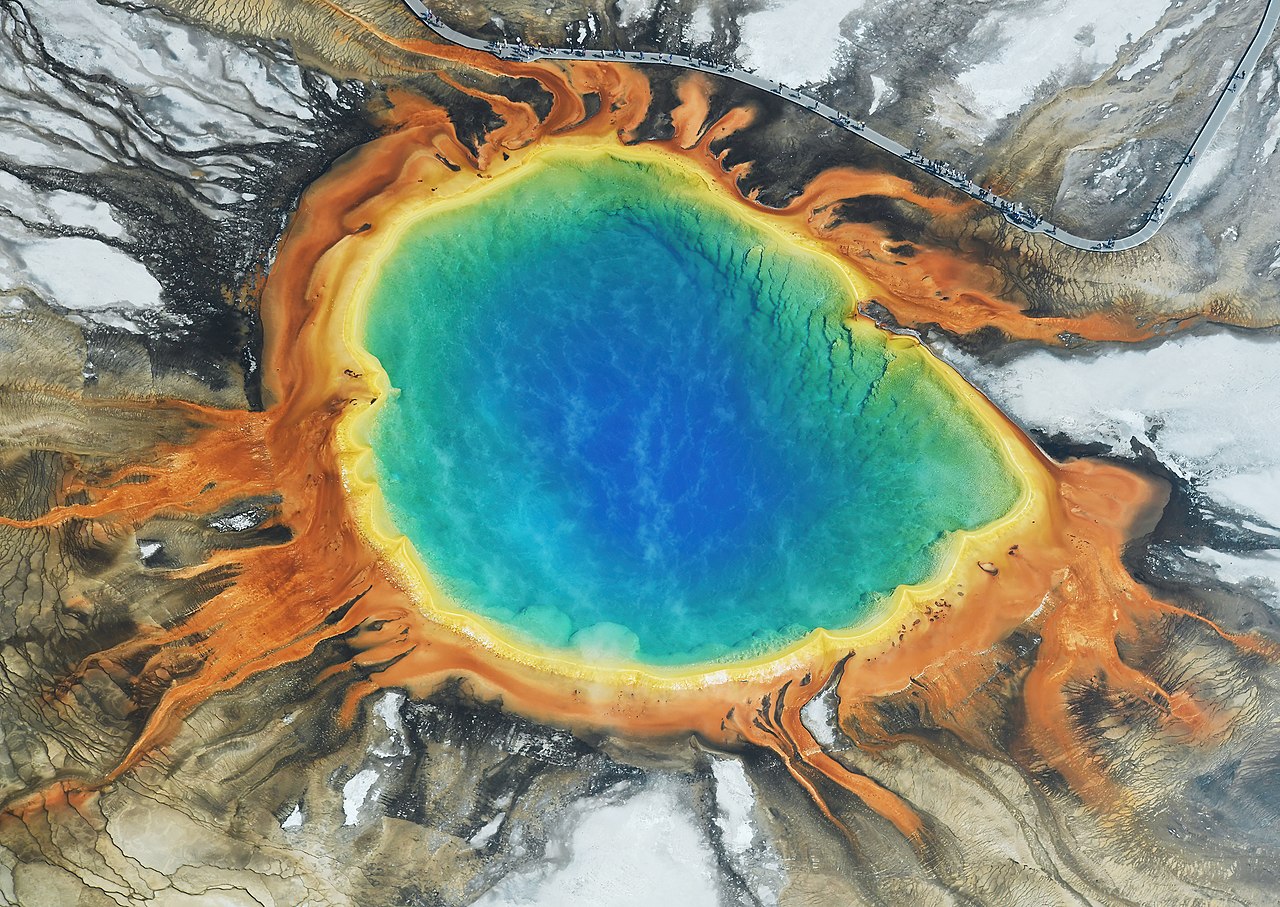
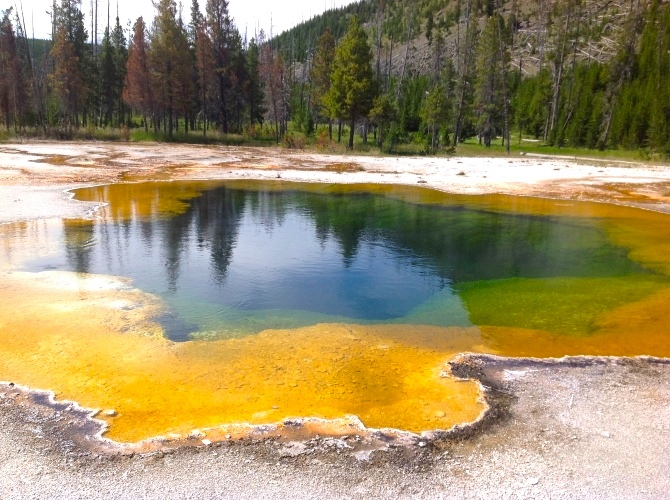
Some archaea are famous for living in extreme environments. They can tolerate very high temperatures, extreme cold, or water that is highly salty, acidic, or alkaline. Scientists have found them in geysers, around deep-sea black smokers, in oil wells, and near hot vents on the ocean floor. These species are often called extremophiles, although many archaea are not extreme at all.
Recent research has also identified ammonia-eating archaea in soil and seawater, where they help drive nitrogen cycling. Other well-known groups include methanogens, which produce methane in oxygen-free settings, and halophiles, which thrive in salty places. Because archaea can be abundant and ecologically active, they matter not only to evolutionary theory but also to climate, nutrient cycles, and biotechnology.
- They help scientists reconstruct the history of cellular evolution.
- They play important roles in marine and soil ecosystems.
- Their enzymes can remain stable under heat, salt, or acid, making them useful in laboratory research.
Questions and answers
Q: What is the name of the group of single-celled organisms?
A: The group of single-celled organisms is called Archaea.
Q: Where does the name come from?
A: The name comes from Greek αρχαία, which means "old ones".
Q: Are Archaea prokaryotes or eukaryotes?
A: Archaea are prokaryotes, meaning they do not have nuclei and cell organelles of the eukaryote type.
Q: In what kind of environments were they originally discovered?
A: They were originally discovered in extreme environments (extremophiles).
Q: Are Archaea now thought to be common to more average conditions?
A: Yes, they are now thought to be common to more average conditions.
Q: What kind of temperatures can some Archaea survive at?
A: Some can survive at very high (over 80°C) or very low temperatures, or highly salty, acidic or alkaline water.
Q: How are Archaea classified in the three-domain system?
A: In the three-domain system, Archaea are classified as a separate domain.
Tags
Related articles
Author
AlegsaOnline.com Archaea Leandro Alegsa
URL: https://en.alegsaonline.com/art/5272
Sources
- bacterio.net : "Taxa above the rank of class"
- doi.org : 10.1101/cshperspect.a016006
- ncbi.nlm.nih.gov : PMID 25183828
- ncbi.nlm.nih.gov : "Rooting the domain archaea by phylogenomic analysis supports the foundation of the new kingdom Proteoarchaeota"
- doi.org : 10.1093/gbe/evu274
- pubmed.ncbi.nlm.nih.gov : 25527841
- ncbi.nlm.nih.gov : "NCBI taxonomy page on Archaea"
- ui.adsabs.harvard.edu : 2006Natur.441..289P
- doi.org : 10.1038/441289a
- pubmed.ncbi.nlm.nih.gov : 16710401
- doi.org : 10.3389/fmicb.2017.01072
- ncbi.nlm.nih.gov : Medical Microbiology
- ncbi.nlm.nih.gov : PMID 10477309
- pnas.org : "Ernst Mayr and the modern concept of species"