
Protacanthopterygii
Protacanthopterygii is a superorder of mostly temperate soft-rayed teleost fishes including salmon, trout, pike and smelts; composition and relationships vary among classifications.
Protacanthopterygii is a grouping used by ichthyologists for a set of predominantly temperate, soft-rayed teleost fishes. Members occupy both freshwater and marine habitats, with several lineages following an anadromous life cycle (spawning in fresh water and feeding at sea). The exact membership of the superorder differs between modern classifications, but its best-known representatives include salmon, trout and pikes.
Image gallery
10 Images





Key characteristics
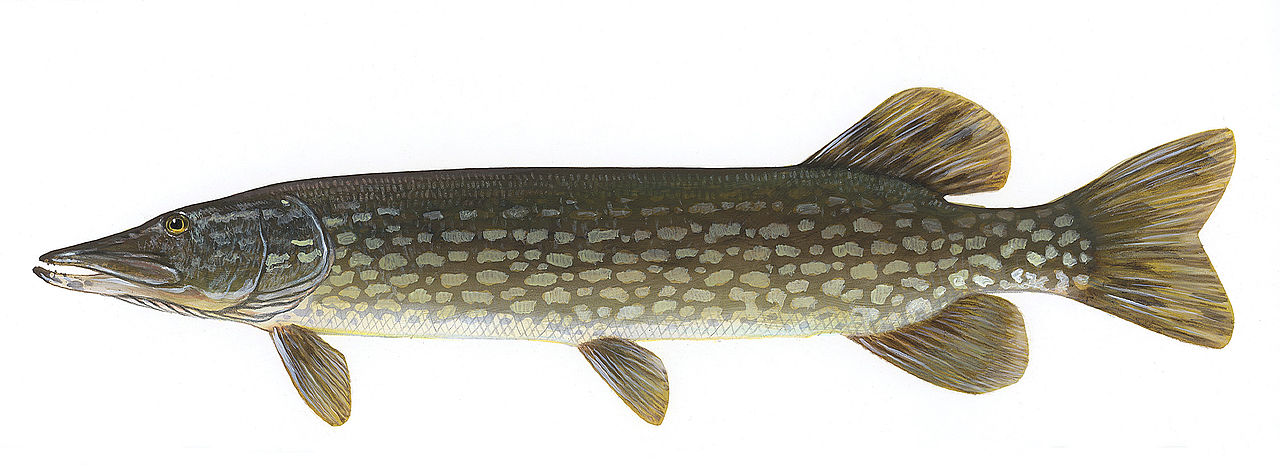
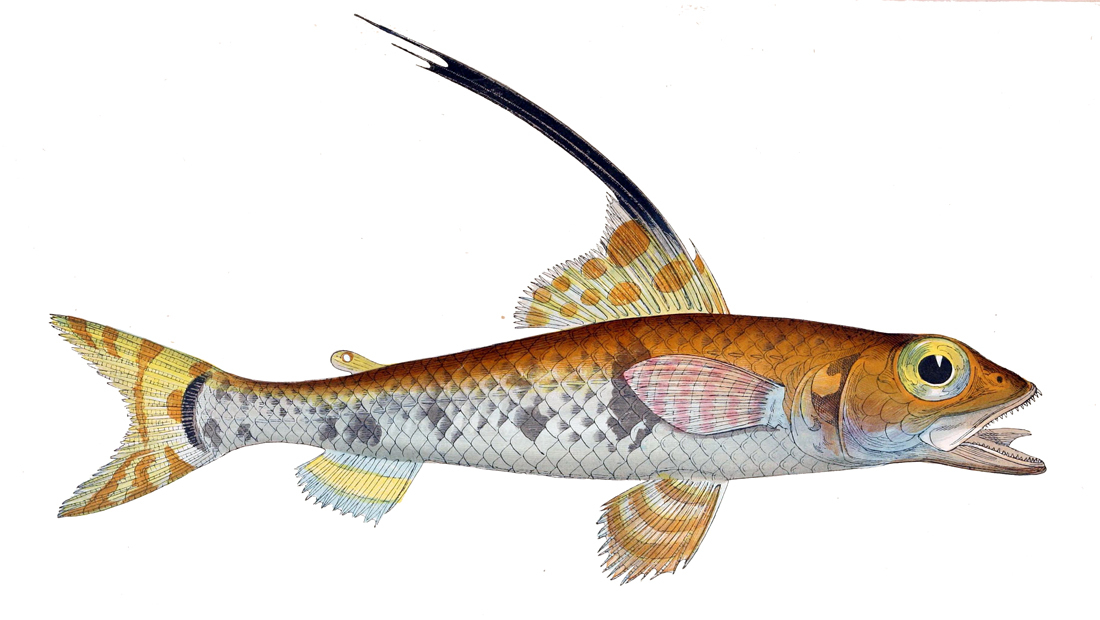
Protacanthopterygians tend to retain some more 'basal' teleost features compared with the highly derived spiny-rayed groups. Many species have soft fin rays rather than stout spines, and several families possess an adipose fin (a small, fleshy fin between dorsal and tail). Body shapes vary widely—from the streamlined, predatory form of pike to the laterally compressed bodies of some smelts—reflecting diverse feeding modes and habitats.
Typical groups and examples
- Salmoniformes: salmon and trout (salmon, trout) and related whitefishes.
- Esociformes: pikes and mudminnows, often ambush predators in freshwater.
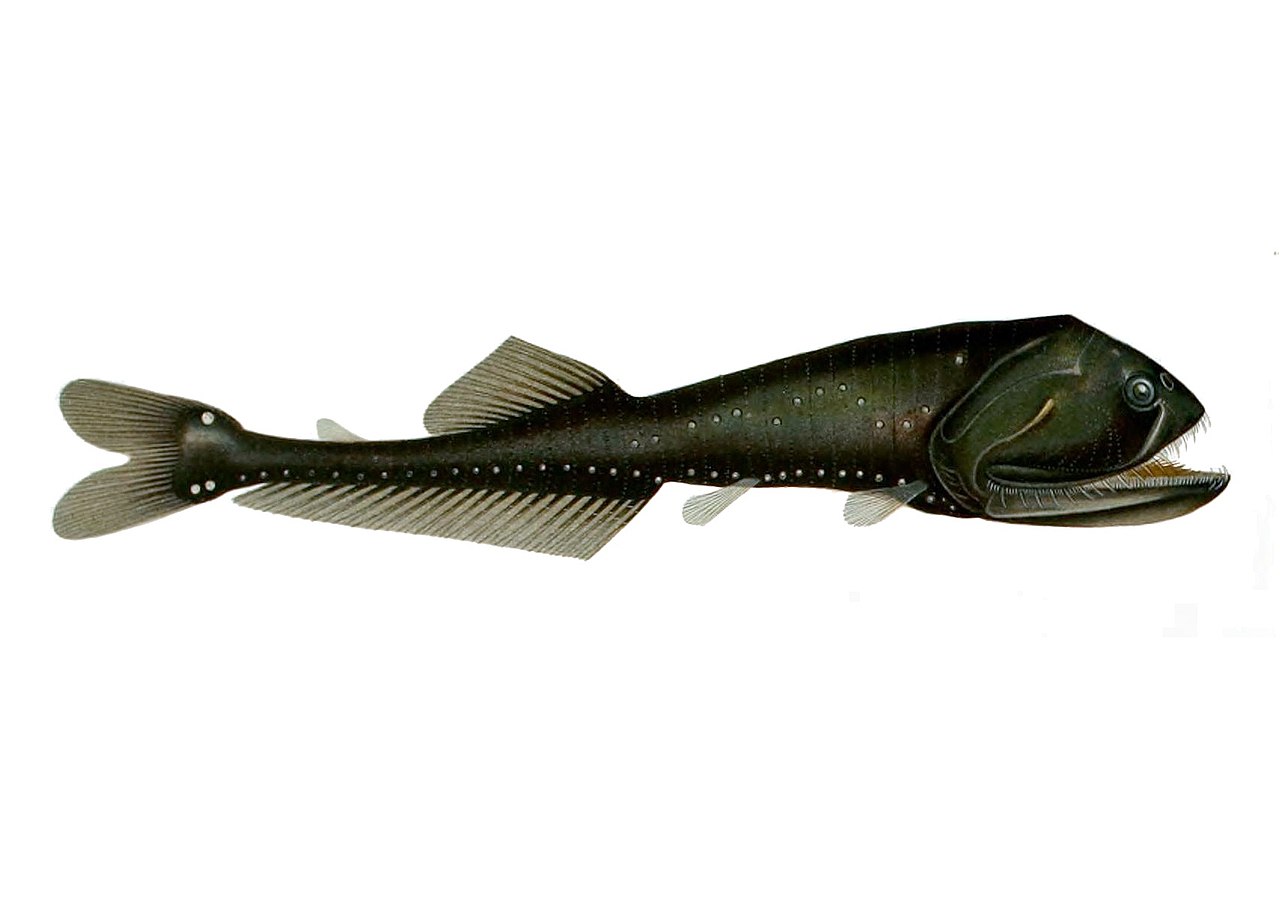
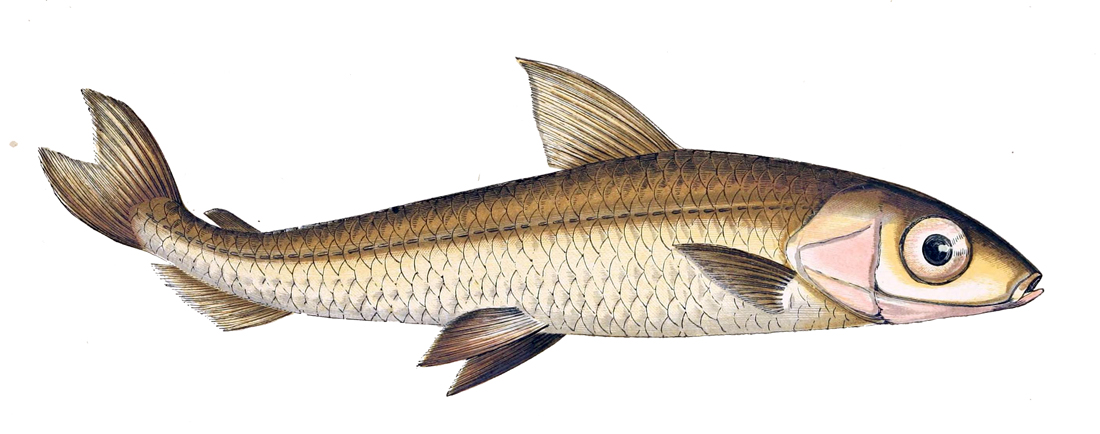
- Osmeriformes and some deep-sea relatives: smelts and allies.
Evolution and classification
The superorder concept groups early-branching soft-rayed teleosts that share anatomical and developmental traits. Molecular studies have refined relationships but also shown that boundaries are not fixed: some families have been moved between competing schemes as new data appear. Consequently, Protacanthopterygii is best understood as a useful, if sometimes fluid, way to refer to several closely related lineages rather than a final taxonomic verdict.
Ecology and distribution
Most protacanthopterygians are found in temperate regions of the Northern Hemisphere, though related forms occur elsewhere. They occupy roles from top freshwater predators (pikes) to forage fishes and migratory predators (salmonids). Many species are sensitive to changes in water temperature, stream connectivity and spawning habitat, making them indicators of ecosystem health.
Human importance and conservation
Several members are culturally and economically significant: salmon and trout support major commercial fisheries, aquaculture and recreational angling; pikes are important sport fish. Conservation issues include overfishing, habitat loss, damming of rivers that blocks migrations, and climate-driven range shifts. Management often combines habitat restoration, fisheries regulation and hatchery programs.
For further reading on teleost diversity and taxonomy consult specialist summaries and databases (teleost overview), taxonomic keys (fish taxonomy) and species accounts for salmon and trout.
Questions and answers
Q: What is Protacanthopterygii?
A: Protacanthopterygii is a superorder of teleost fishes.
Q: Where do these fishes mostly live?
A: These fish mostly live in temperate waters, and in the northern hemisphere.
Q: Can these fish live in both fresh and salt water?
A: Yes, these fish can live in both fresh and salt water.
Q: What are some examples of fish in this group?
A: The best-known examples of this group are the salmon, trout, and pikes.
Q: Is Protacanthopterygii the only superorder of teleost fishes?
A: No, there are other superorders of teleost fishes.
Q: Are these fish restricted to certain regions?
A: Yes, they mostly live in temperate waters in the northern hemisphere.
Q: What are the main groups within Protacanthopterygii?
A: The main groups within Protacanthopterygii are not specified in the given text.
Related articles
Author
AlegsaOnline.com Protacanthopterygii Leandro Alegsa
URL: https://en.alegsaonline.com/art/79496
Sources
- commons.wikimedia.org : Protacanthopterygii
- species.wikimedia.org : Protacanthopterygii