
Ashraf Pahlavi
Twin sister of Iran's last Shah, a prominent royal adviser and diplomat who advocated for women's rights, influenced mid-20th century Iranian politics, and lived in exile after the 1979 Revolution.
Overview
Ashraf Pahlavi (Persian: اشرف پهلوی) (26 October 1919 – 7 January 2016) was a member of Iran's Pahlavi dynasty and the twin sister of Mohammad Reza Pahlavi (the Shah), the last monarch of Iran (Persia). Born in Tehran, she became one of the most prominent and controversial figures of the Pahlavi era, known both for her political influence within the royal household and for public advocacy on social and women's issues.
Image gallery
7 Images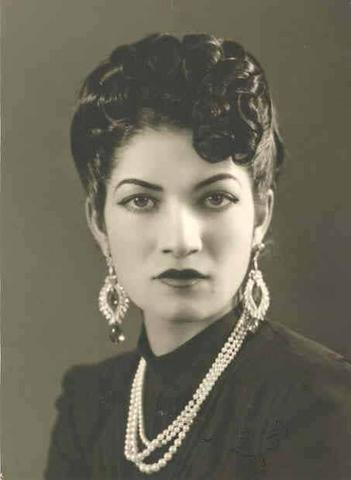

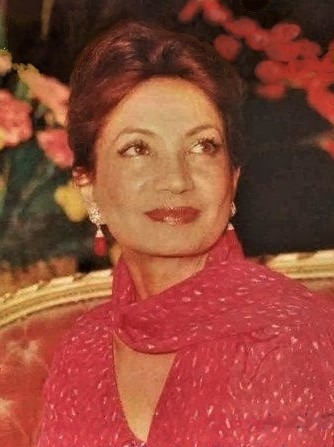


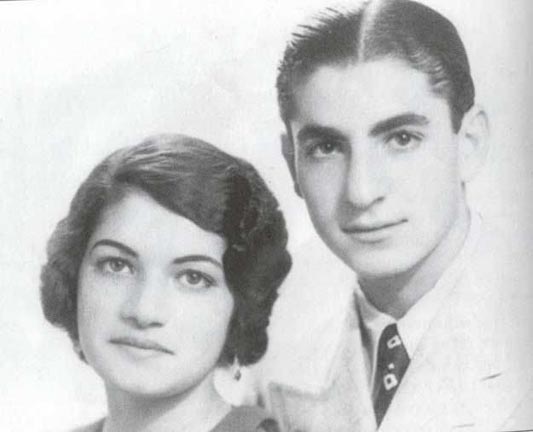

Family background and early life
Ashraf belonged to the Pahlavi family that rose to power in the early 20th century. She was the twin of the Shah and sister to other members of the dynasty, including Gholamreza Pahlavi. Raised in the royal milieu of Tehran, her upbringing combined traditional Persian court life with exposure to Western education and diplomatic society as Iran sought to modernize under the Pahlavis.
Political role and influence
During her brother's reign Ashraf acted as a close palace adviser and confidante, often taking on diplomatic and representational duties abroad. Historians and contemporary observers frequently describe her as a powerful behind-the-scenes actor. She is widely regarded as having played an influential role in the turbulent politics of mid-century Iran, including events around the 1953 crisis that altered the country's political course.
Advocacy and public work
Ashraf used her public profile to promote women's rights and social programs. She participated in international conferences, engaged with humanitarian organizations, and represented Iran at multiple forums where she spoke on modernization, education, and the status of women. Her advocacy reflected the official Pahlavi emphasis on social reform and greater public roles for women.
Exile and later life
Following the 1979 Revolution, Ashraf left Iran and settled abroad, spending years in cities such as New York City and Paris. She later lived in Monte Carlo, where she died on 7 January 2016 at the age of 96. Throughout her exile she remained outspoken about Iranian politics and the fate of the monarchy.
Legacy and controversies
- Legacy: Remembered for raising the international profile of the Pahlavi court and for championing women's participation in public life.
- Controversy: Her political influence, wealth, and close involvement in state affairs made her a lightning rod for criticism by opponents of the monarchy, who accused royal figures of corruption and excessive power.
- Historical assessment: Assessments of Ashraf Pahlavi vary—supporters highlight her diplomatic skill and reformist agenda, while critics emphasize her role in sustaining an authoritarian royal system.
Her life illustrates the complexities of 20th-century Iran: rapid social change, contested modernization, and the eventual collapse of the Pahlavi state. Even after decades in exile, Ashraf remained a symbol of the old royal order and a subject of study for historians of Iranian politics and gender reform.
Monaco is often mentioned in accounts of her final years because she died in its Monte Carlo district, where several exiled members of the Iranian elite lived in the late 20th and early 21st centuries.
Related articles
Author
AlegsaOnline.com Ashraf Pahlavi Leandro Alegsa
URL: https://en.alegsaonline.com/art/79193
Sources
- news.yahoo.com : "Iranian Princess Ashraf, shah's twin sister, dies at age 96"
- washingtonpost.com : "Ashraf Pahlavi, twin sister of Iran's late shah, dies at 96"
- worldcat.org : 0190-8286