
Princess Elizabeth of the United Kingdom (1770–1840)
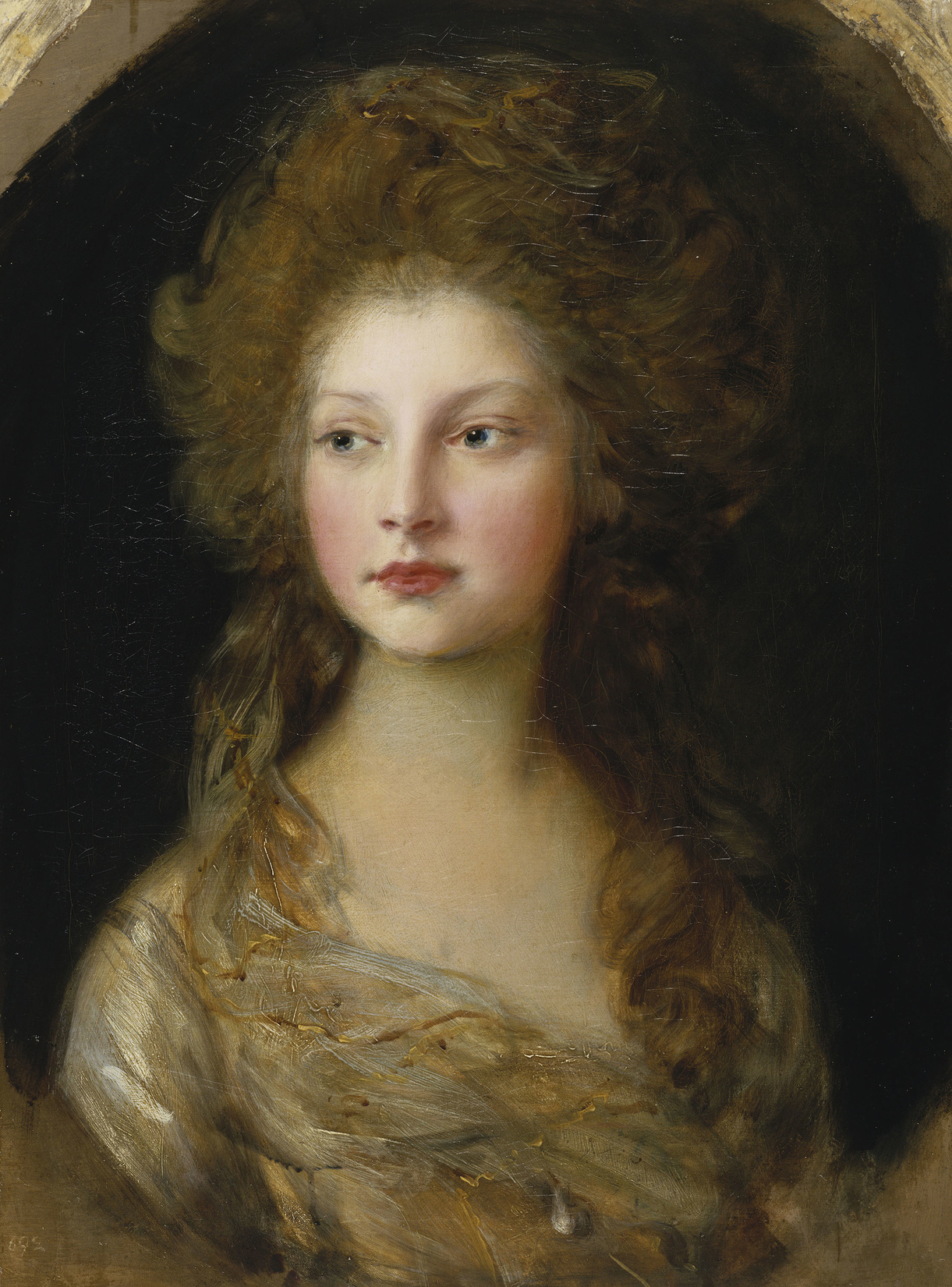
Daughter of King George III and Queen Charlotte, Princess Elizabeth (1770–1840) was a British royal who married the Landgrave of Hesse-Homburg in 1818; she had no children and lived much of her life at the royal court.
Princess Elizabeth (22 May 1770 – 10 January 1840) was a member of the British royal family, one of the children of King George III and Queen Charlotte. Born into a large Hanoverian household, she spent her early years within the social and ceremonial world of the late 18th-century court. Elizabeth's life reflects both the private expectations and the dynastic demands placed on daughters of reigning monarchs of her era.
Image gallery
8 Images




Family background and early life
Elizabeth was the seventh child in a household that played a central role in British public life. Her parents were King George III and Queen Charlotte, and she grew up alongside numerous siblings who later occupied prominent positions. The family maintained the Protestant succession and the court observed the rituals and protocols of the period; education and upbringing for princesses emphasized religion, accomplishment, and suitability for advantageous marriages.
Marriage and later years
After remaining unmarried through much of her adult life, Elizabeth accepted a union in 1818 with Frederick, Landgrave of Hesse-Homburg. The marriage linked her to one of the smaller German principalities traditionally connected with the British royal house by shared dynastic and cultural ties. The marriage produced no children, and Elizabeth spent her later years largely in private and in association with relatives from both Britain and the German states. She died on 10 January 1840 at the age of 69.
Proposed match with Louis-Philippe
At one stage there were plans for Elizabeth to marry Louis-Philippe, who later became King of the French. That match did not come to pass, in part because Louis-Philippe was Catholic and the political and religious sensitivities of the time—together with objections within the royal family—made such a union difficult. The opposition of Elizabeth's father to a Catholic son-in-law is recorded as one factor in the failure of this plan. The episode illustrates how marriages among royalty were shaped by confessional loyalties and diplomatic considerations.
Significance and legacy
Although not one of the most public-facing members of her family, Elizabeth's life is illustrative of the roles available to women of the royal house in the Georgian and Regency eras: as symbols of dynastic continuity, participants in carefully arranged alliances, and residents of a broad European aristocratic network. Her late marriage to a German landgrave and the absence of descendants meant that her historical footprint is quieter than those of some siblings, yet she remains part of the wider story of the British monarchy during a period of social and political change.
Quick facts
- Born: 22 May 1770
- Died: 10 January 1840
- Parents: King George III and Queen Charlotte
- Married: Frederick, Landgrave of Hesse-Homburg (1818)
- Planned but unrealized match: Louis-Philippe
- Children: none
Related articles
Author
AlegsaOnline.com Princess Elizabeth of the United Kingdom (1770–1840) Leandro Alegsa
URL: https://en.alegsaonline.com/art/79199